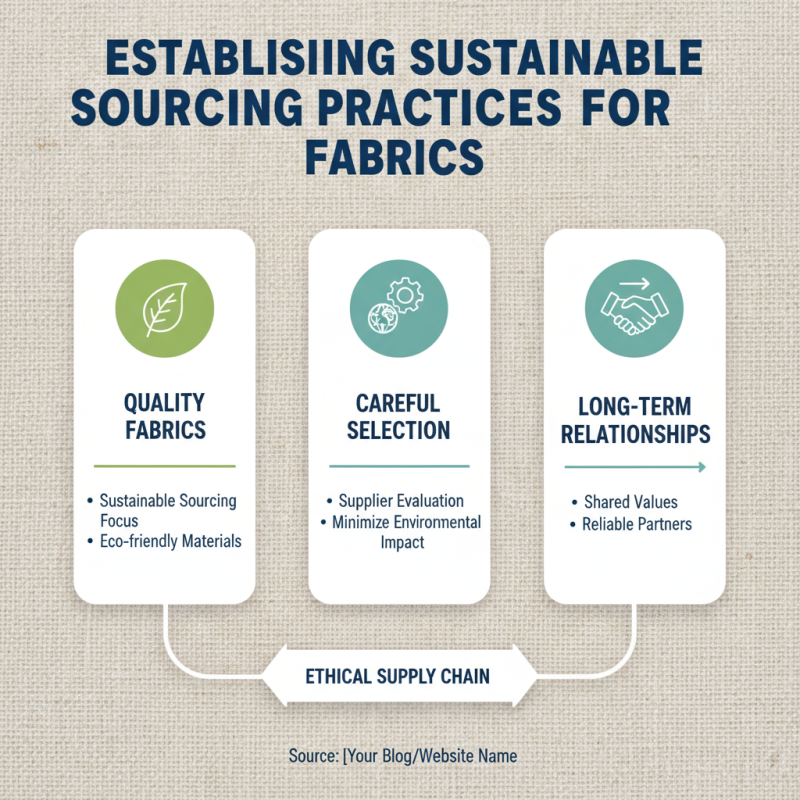
How to Source Quality Plain Fabric for Your Business?
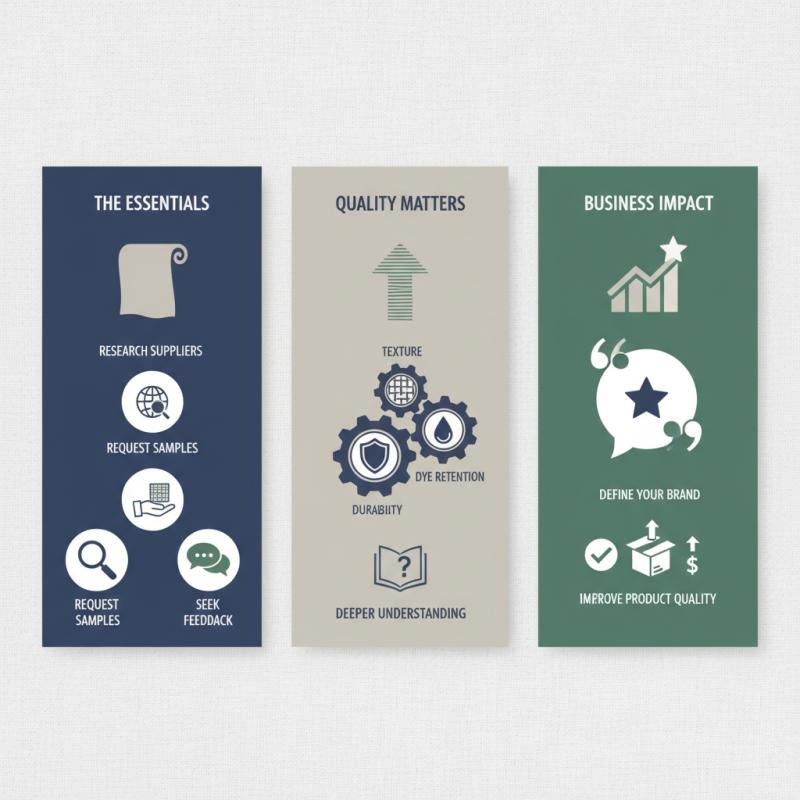
Sourcing quality plain fabric is essential for any textile business. Expert Mary Thompson, a renowned fabric consultant, emphasizes, “Choosing the right materials can define your brand.” Her words highlight the importance of quality in every fabric decision.
Plain fabric is versatile, making it popular among designers and manufacturers. It serves as a blank canvas for countless applications. However, not all plain fabrics are created equal. There are significant differences in texture, durability, and dye retention. A deeper understanding is vital for selecting the best type for your needs.
Every business has its challenges when sourcing materials. Sometimes, suppliers don't meet expectations. It's crucial to research suppliers thoroughly. Request samples to assess quality firsthand. Seek feedback from trusted sources to avoid costly mistakes. A reflective approach can prevent future sourcing headaches and improve your overall product quality.
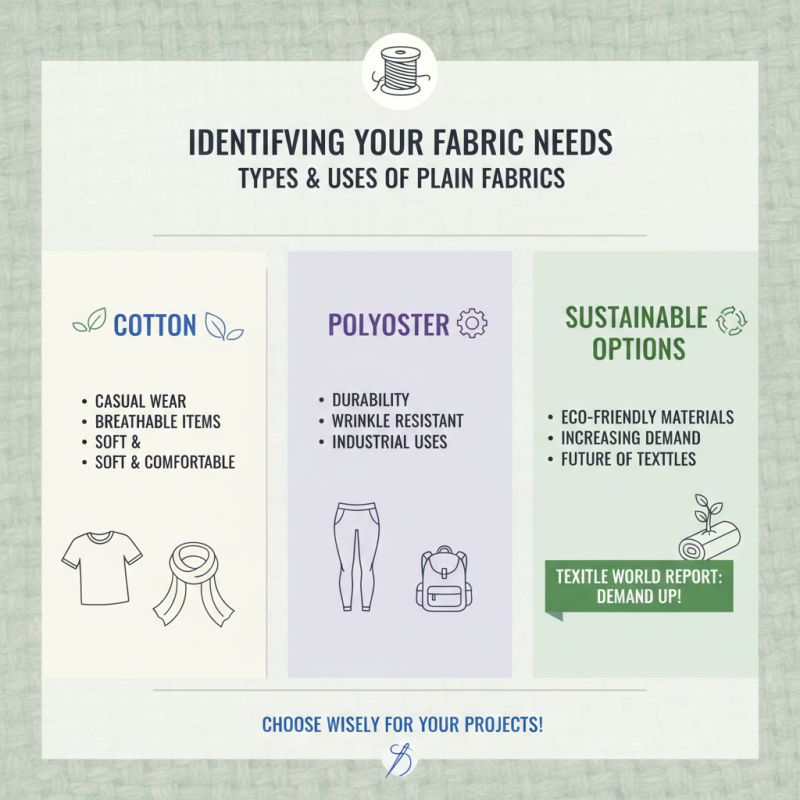
Identifying Your Fabric Needs: Types and Uses of Plain Fabrics
When sourcing plain fabrics, understanding your specific needs is vital. Plain fabrics come in various types, each suited for different applications. Cotton is ideal for casual wear and breathable items, while polyester excels in durability and wrinkle resistance. According to a report by Textile World, the demand for sustainable fabric options is increasing, indicating a shift toward eco-friendly materials.
Identifying the right fabric type is more than just preference; it impacts your product's quality and longevity. Linen offers a natural texture, making it suitable for upscale garments, but it wrinkles easily. In contrast, nylon is lightweight and strong, favored for activewear. As noted in the Fabric Manufacturers Association's latest survey, 35% of businesses focus on fabric performance in their sourcing decisions. This highlights the necessity of aligning fabric properties with the intended use.
Evaluating these characteristics can inform better sourcing decisions. While some entrepreneurs may prioritize pricing, overlooking fabric quality can lead to unsatisfactory products. Conducting fabric tests, like burn or water-resist, is essential. Many businesses report they often underestimate the significance of fabric sourcing. It’s crucial to reflect on these choices to enhance product offerings and brand reputation.
Researching Reliable Fabric Suppliers and Manufacturers
Researching reliable fabric suppliers and manufacturers can be challenging. Start by identifying what type of plain fabric you need for your business. Consider factors such as material, weight, and weave. These details directly impact the quality and suitability of the fabric for your products.
When searching for suppliers, focus on building strong relationships. Attend fabric trade shows and industry events. These settings provide excellent opportunities to meet potential partners face to face. Networking can uncover insights about supplier reputation and reliability.
Tips: Always ask for samples before committing. This helps you evaluate the fabric quality. Do thorough background checks on suppliers. Look for reviews and testimonials to gauge their trustworthiness. Consider visiting their production facilities if possible. Ensuring proper quality control is essential. Regularly evaluate your suppliers based on their performance and your evolving needs. This reflection might reveal areas for improvement or new opportunities.
Evaluating Quality: Key Characteristics of Plain Fabrics
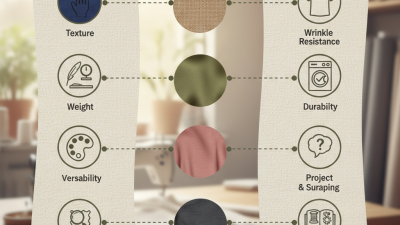
When sourcing quality plain fabric, evaluating its characteristics is crucial. Key factors include weave, thread count, and material composition. According to data from the Textile Institute, a higher thread count often indicates better durability. For cotton fabrics, a thread count of at least 180 is recommended for optimum strength.
Consider the fabric's feel and drape. A smoother surface typically suggests a finer quality, while fullness indicates a heavier weight. Incorporating a tactile assessment can help. It is also beneficial to inspect fabric both in natural and artificial light. This helps reveal subtle flaws that might not be visible otherwise.
Tips: Always request bulk samples before purchasing. This allows you to test the fabric's performance and finish. Utilize reputable fabric testing labs to assess colorfastness and shrinkage. Relying on third-party reports enhances your sourcing reliability, ensuring you make informed decisions. Quality fabric not only enhances your product but also reflects your brand's commitment to excellence.
Understanding Pricing and Negotiation for Bulk Purchases
When sourcing quality plain fabric for your business, understanding pricing and negotiation is key. Prices can vary widely based on material, quality, and quantity. Therefore, do your homework. Research market prices for the fabrics you need. Keeping this knowledge will empower you during negotiations.
Tips: Always have a clear budget in mind. Be prepared to walk away if the price doesn’t align with your expectations. A firm stance can often lead to better offers.
Establishing a good relationship with suppliers can impact pricing too. A friendly rapport opens doors for discounts and favorable payment terms. Regularly communicate your needs and be transparent about your business size. This can foster trust and flexibility in negotiations.
Tips: Ask for samples before committing. Reviewing fabric quality can save you costly mistakes later. Consider visiting trade shows. They offer direct communication with manufacturers, providing insight and potential better deals.

 +86 15968093247
 CONTACT NUMBER
 CONTACT e-mail