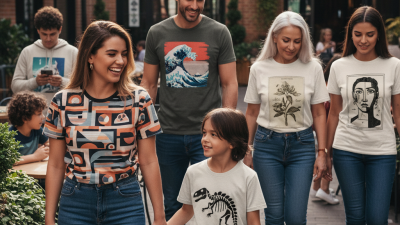
China Top Knitted Wear Trends for Fashion Enthusiasts?
As the fashion industry evolves, knitted wear remains a vital element for enthusiasts seeking comfort and style. According to a recent report by Statista, the global knitted apparel market is projected to reach $250 billion by 2028. This growth reflects the increasing demand for versatile clothing that transcends seasons and occasions.
Chinese consumers are increasingly favoring knitted wear for its ability to combine luxury with practicality. The trend highlights sustainability and ethical sourcing, a priority for today’s fashion shoppers. A study by McKinsey found that 70% of consumers now consider sustainability when making clothing purchases. This shift is influencing brands to innovate with eco-friendly materials and production methods.
Yet, challenges persist. Many brands struggle with the balance of affordability and quality in knitted collections. As fashion enthusiasts explore the latest trends, they must also recognize the implications of fast fashion on the environment. Awareness of these factors is essential to make informed decisions in one’s fashion choices, especially in the vibrant world of knitted wear.
Emerging Trends in China's Knitted Wear for 2023
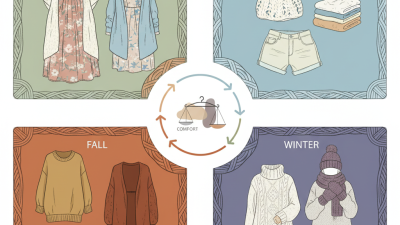
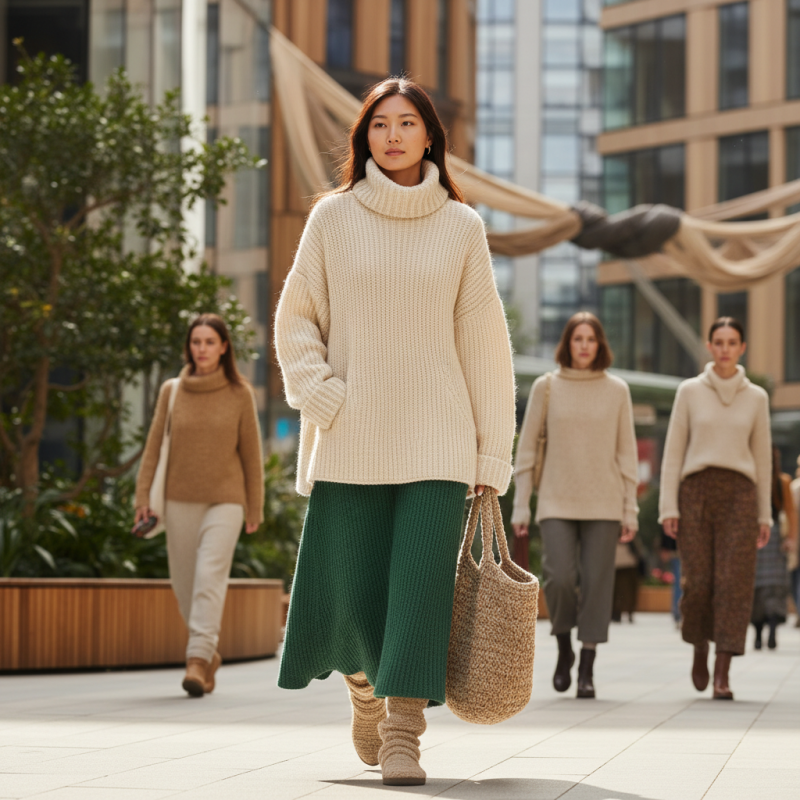
In 2023, China's knitted wear scene is witnessing vibrant transformations. Designers are experimenting with bold colors and intricate patterns. Textures now play a crucial role, offering a rich sensory experience. Soft, chunky yarns intermingle with lightweight, breathable fabrics. This blend invites layers that adapt to changing weather, enhancing comfort.
Sustainability is also a key theme this year. Many brands are exploring eco-friendly materials. Traditional techniques are being revived and merged with modern designs. This shift toward sustainability reflects a growing consumer awareness. However, some producers struggle to maintain profit margins. Balancing style, cost, and sustainability poses significant challenges.
Additionally, inclusivity in sizing and fit is evolving. As shoppers demand a more personalized experience, many brands are responding. However, this approach requires extensive market research and testing. It’s a work in progress, filled with learning opportunities. The knitting landscape in China is dynamic, yet it also faces hurdles. Growth often comes with uncertainty, prompting ongoing reflection and adaptation.
China Top Knitted Wear Trends for Fashion Enthusiasts - 2023
Key Fabrics and Materials in Chinese Knitted Fashion
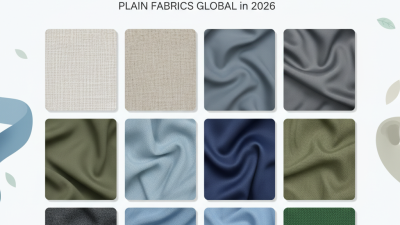
Knitted fashion in China is evolving rapidly, with fresh trends every season. The choice of fabrics and materials plays a crucial role in this transformation. Soft cashmere is popular for its warmth and luxurious feel. It is lightweight yet insulating, making it perfect for various styles. Cotton blends are also favored for their breathability and comfort. These fabrics adapt well to different garment types, catering to both casual and formal looks.
In addition to traditional yarns, innovative synthetic fibers are gaining traction. These materials enhance durability and elasticity, appealing to a younger audience. They offer a wide range of textures, from smooth to ribbed surfaces. Many knitters are experimenting with sustainable options. Organic cotton and recycled polyester make a positive impact on the environment. However, the balance between sustainability and cost remains a significant challenge.
Designs are becoming more intricate, featuring patterns like cables and lacework. Yet, some may overlook the craftsmanship behind these techniques. The artistry in knitting deserves recognition. The blending of tradition with modern aesthetics is a delicate process. There is still much to learn in perfecting knitwear styles that resonate with both artisans and consumers. Embracing imperfection can lead to unique designs that stand out in a crowded market.
China Top Knitted Wear Trends for Fashion Enthusiasts - Key Fabrics and Materials in Chinese Knitted Fashion
| Trend Category |
Key Fabrics |
Popular Colors |
Target Demographic |
Seasonal Appeal |
| Sustainable Knits |
Organic Cotton, Bamboo Fiber |
Earth Tones, Pastels |
Eco-conscious Consumers |
Year-round |
| Chunky Knitwear |
Wool Blend, Acrylic |
Bold Colors, Neutrals |
Young Adults, Fashion-forward Individuals |
Fall/Winter |
| Lightweight Layering |
Cotton, Modal |
Soft Pastels, Brights |
All Age Groups, Casual Wearers |
Spring/Summer |
| Tech-Infused Knits |
Nylon, Spandex |
Metallics, Rich Hues |
Athletes, Active Lifestyle Enthusiasts |
Year-round |
| Cut-out Designs |
Cashmere, Lightweight Knits |
Classic Black, White |
Fashion Enthusiasts, Trendsetters |
Spring/Fall |
Innovative Designs and Patterns in Knitted Apparel
In recent years, knitted apparel has undergone a significant transformation in design and patterns. Fashion enthusiasts in China are increasingly drawn to bold, innovative styles blending tradition and modernity. Textures play a vital role, with unique stitches and techniques creating depth in garments. These advancements offer consumers more to choose from, yet they can sometimes feel overwhelming.
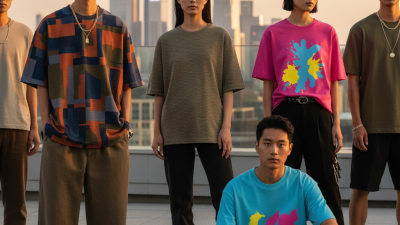
Patterns tell a story, often reflecting cultural influences. Geometric shapes and abstract art are popular, sparking conversation among wearers. Vibrant colors contrast beautifully with muted hues, catching the eye of many. However, this blend can sometimes clash, leaving makers to question harmony in design. Exploring how these elements interact is essential for creating appealing pieces.
Sustainability remains a hot topic, as many designers experiment with eco-friendly materials. This approach is commendable but raises questions about durability and aesthetics. Balancing the two is a challenge that many face. As fashion enthusiasts navigate these trends, it’s crucial to reflect on personal style and values. Each piece chosen can be a thoughtful statement about individuality and responsibility in fashion.
Sustainable Practices in China's Knitting Industry
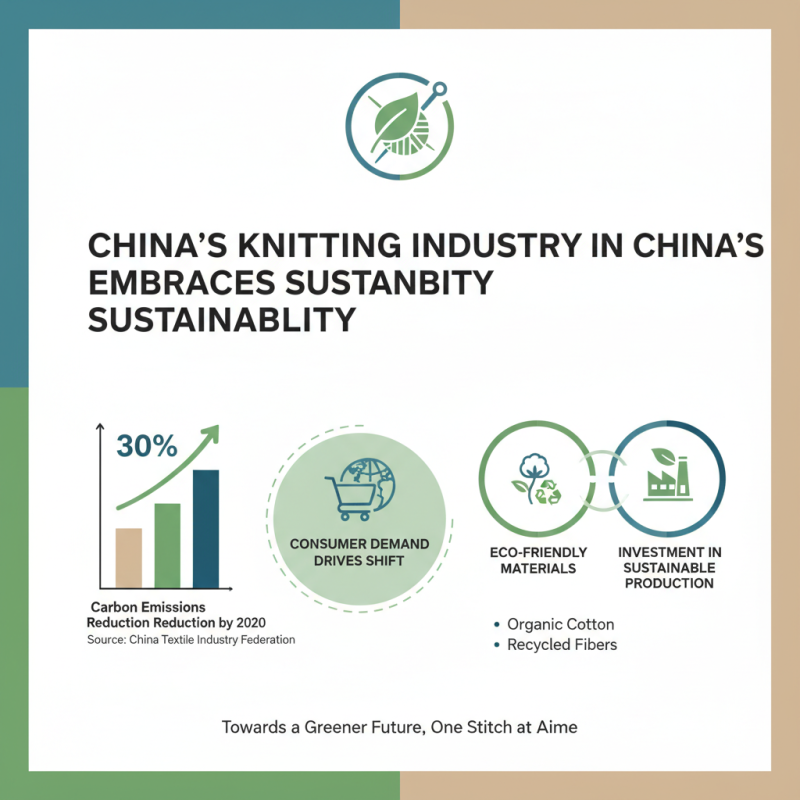
In recent years, the knitting industry in China has embraced sustainability. This shift is driven by increasing consumer awareness of environmental issues. According to the China Textile Industry Federation, sustainable textile production could reduce carbon emissions by 30% by 2030. Many manufacturers are now investing in eco-friendly materials, such as organic cotton and recycled fibers.
The knitting sector also emphasizes reducing water usage. Traditional processes can consume up to 500 gallons of water per garment. New techniques, such as waterless dyeing, have emerged. These methods can save billions of liters annually. However, not all brands are adopting these practices. Some still rely on outdated, resource-intensive methods.
There is a growing demand for transparency in the supply chain. Consumers want to know where their clothes come from. Approximately 70% of buyers are likely to pay more for sustainably produced items. This trend pushes companies to be more accountable. Yet, the challenge remains. Many small businesses struggle to implement sustainable practices due to cost constraints.
Styling Tips for Incorporating Knitted Wear into Your Wardrobe
Knitted wear has evolved into a staple for fashion enthusiasts, blending comfort with style. As reported by the Global Knitwear Market analysis, the industry is expected to grow significantly, reaching a projected value of $65 billion by 2026. This growth reflects the rising demand for cozy yet stylish pieces.
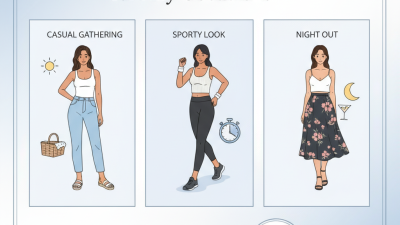
When incorporating knitted wear, consider layering. A chunky knit sweater over a fitted dress can add depth to your outfit. Don't shy away from mixing textures. Pairing a soft knit with structured fabric creates visual interest. Experiment with colors too. Earth tones are trending, but vibrant hues can make a bold statement.
Here are some tips: Choose the right fit. Oversized pieces can be fashionable, but they may overwhelm your figure. Also, think about the occasion. Casual outings call for relaxed fits, while more formal settings benefit from tailored options. Lastly, remember to care for your knits. Hand wash them to maintain their shape and prevent pilling.

 +86 15968093247
 CONTACT NUMBER
 CONTACT e-mail