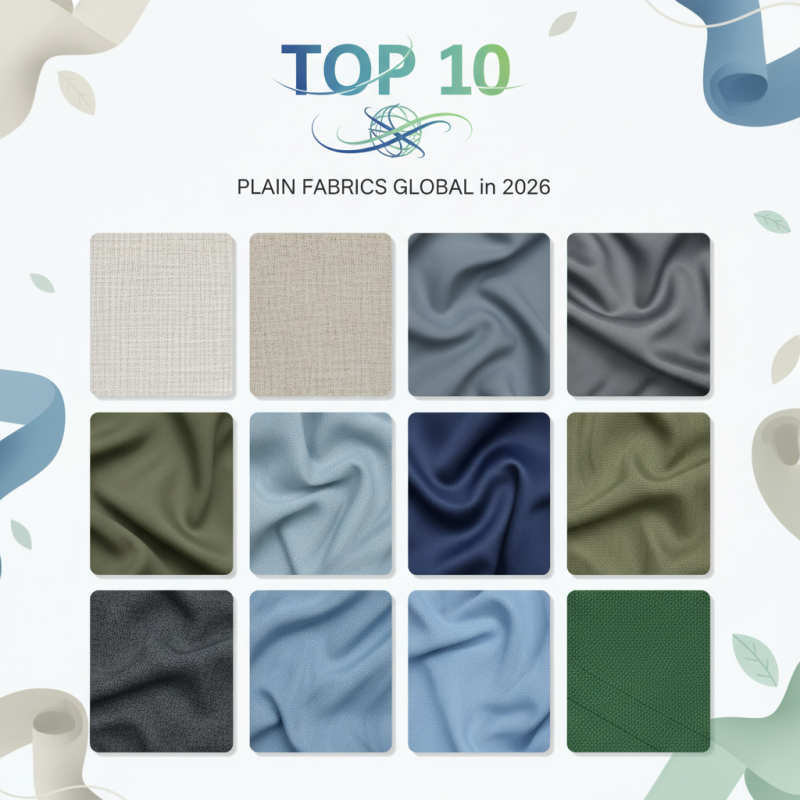
Top 10 Best Plain Fabrics for Global Buyers in 2026?
In the ever-evolving textile industry, choosing the right material is crucial. Plain fabric stands out for its versatility and timeless appeal. For global buyers in 2026, understanding the best options in plain fabric can significantly impact product quality and consumer satisfaction.
With a plethora of choices available, it can feel overwhelming. Different types of plain fabrics offer unique textures, durability, and aesthetic values. Cotton, linen, and polyester simply scratch the surface. Each fabric type has its pros and cons. Buyers must assess what suits their specific needs.
Reflecting on these choices allows for a deeper understanding of the market. Plain fabric isn't just about function; it's an expression of style. As we explore the top ten options, consider how these fabrics can enhance the offerings. Relying solely on trends may lead to missed opportunities.
Overview of Plain Fabrics: Characteristics and Uses
Plain fabrics are fundamental to the textile industry. Their characteristics and uses vary widely. Cotton, linen, and polyester are among the most sought-after options. Each material provides unique benefits that cater to different markets. For instance, cotton is soft and breathable. It dominated the market with a 29% share in fabric production in 2023, according to industry reports.
The applications of plain fabrics extend beyond apparel. They are essential in home textiles, upholstery, and industrial uses. Linen's natural strength makes it ideal for table linens and drapes. Reports show that the demand for sustainable fabrics, such as organic cotton and linen, is expected to rise by 15% in 2026. This trend underscores buyers' growing interest in eco-friendly products.
However, not all plain fabrics are created equal. Quality can vary significantly based on sourcing and manufacturing processes. Some manufacturers may compromise quality for lower costs. This poses a challenge for buyers seeking reliability. It's important to consider not just functionality but also the source and production ethics of these materials. Balancing quality and cost remains a critical issue in the fabric marketplace.
Top 10 Best Plain Fabrics for Global Buyers in 2026
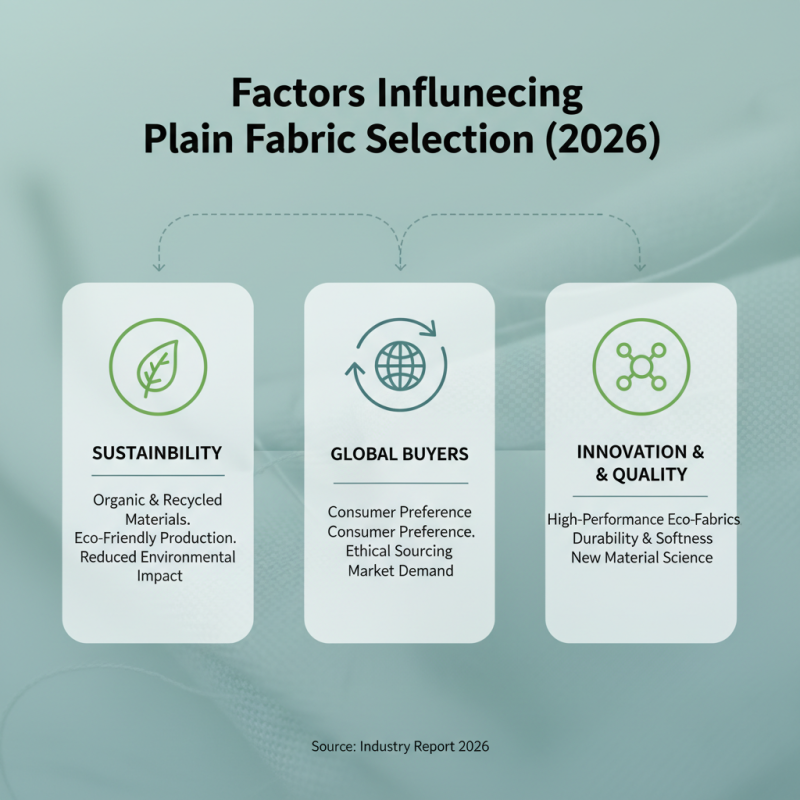
Factors Influencing the Selection of Plain Fabrics in 2026
In 2026, several factors will influence the selection of plain fabrics for global buyers. Sustainability remains a critical concern. Many consumers prefer fabrics made from organic or recycled materials. This shift impacts production processes and sourcing. A focus on environmental impact also leads to innovative fabrics that maintain quality while being eco-friendly.
Price stability is another consideration. Fluctuating costs of raw materials can alter fabric prices. Buyers must analyze market trends and seek suppliers who offer competitive rates. Yet, an overly simplistic approach may lead to compromises in quality or ethical production practices.
Tip: When selecting fabrics, always request samples. This allows buyers to assess the texture, quality, and suitability for their intended use. It helps in making informed choices.
Additionally, cultural preferences shape fabric selection. Different regions have varied tastes and requirements. Understanding these cultural nuances can aid buyers in making decisions that resonate with their target audience. Being attuned to these shifts is essential for success in the global market.
Tip: Stay updated with industry reports. Regularly reviewing fabric trends can provide valuable insights and help anticipate future demands.
Top Ten Plain Fabrics: Features and Benefits for Global Buyers
When considering plain fabrics for global buyers in 2026, several options stand out due to their unique features and benefits. Cotton, for instance, remains a top choice. Its breathability and softness make it perfect for various applications, from clothing to home textiles. But it may not always hold its shape well, leading to potential issues in long-term use.
Linen is another favorite, known for its strength and moisture-wicking properties. While it can feel rough initially, it softens beautifully with washing. Buyers appreciate linen's natural look, but the wrinkles can be a drawback for some.
Another noteworthy fabric is polyester, which offers durability and resistance to shrinking. However, it may lack the breathability that natural fibers provide.
Lastly, rayon combines the best of both worlds. Its silk-like appearance attracts many, but its maintenance can be tricky. Paying attention to care instructions is crucial to avoid damage. Each fabric presents its own set of challenges and advantages, requiring thoughtful consideration among global buyers.
Market Trends: Plain Fabric Demand Across Different Regions
The demand for plain fabrics is evolving across various regions, influenced by fashion trends and market dynamics. In 2026, experts predict significant growth in plain fabric consumption in Asia-Pacific, particularly in countries like India and China. The region's textile industry is projected to expand by 8% annually, driven by urbanization and increased disposable income levels. In contrast, the European market is focusing on sustainability, promoting eco-friendly materials. Reports indicate that eco-conscious consumers favor organic and recycled fabrics, pushing brands to adapt.
In North America, plain fabrics are experiencing a shift toward more vibrant colors and innovative weaves. This trend responds to consumer preferences for unique and customizable apparel. Industry analysis shows a 12% increase in demand for digitally printed plain fabrics, indicating a clear appetite for personalization in this market. However, challenges remain. Sourcing sustainable materials while meeting consumer expectations for price and quality is crucial.
Tip: For suppliers, understanding regional preferences is key. Tailoring offerings to meet local demands can significantly boost sales. Consider developing partnerships with local designers to enhance market insight.
Another consideration is the balance between price and sustainability. Producing high-quality, eco-friendly fabrics may come at a higher cost. Evaluating financial feasibility is critical in this competitive landscape.
Sustainability in Plain Fabrics: Innovations and Eco-Friendly Options
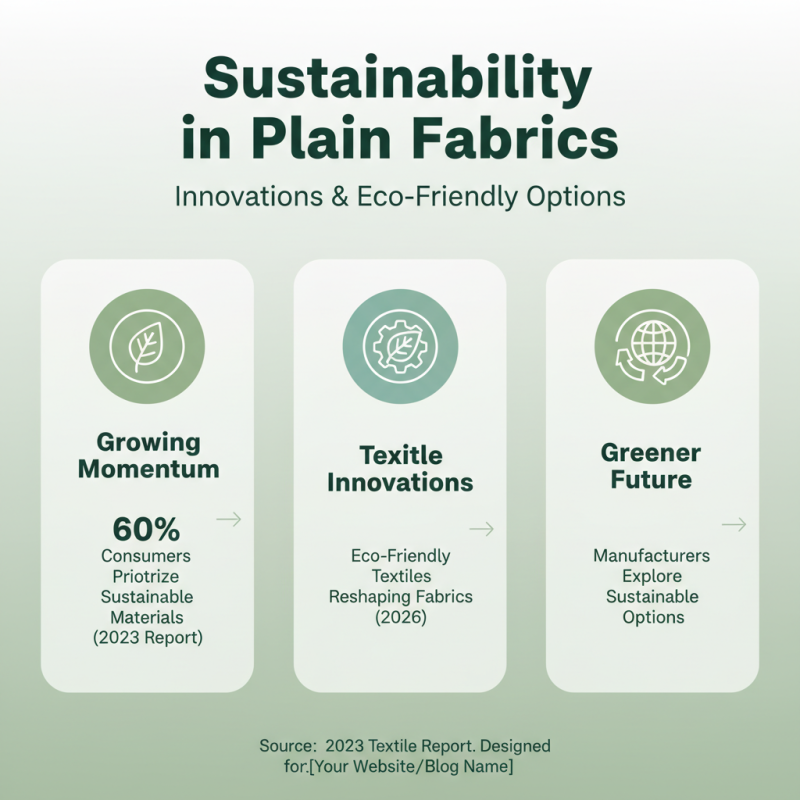
The sustainability movement in the fabric industry has gained significant momentum. Innovations in eco-friendly textiles are reshaping plain fabrics in 2026. According to a 2023 textile report, about 60% of consumers prioritize sustainable materials when making purchases. This trend is driving manufacturers to explore greener options.
Organic cotton fibers are becoming a common choice. They require 91% less water than conventionally grown cotton. Similarly, recycled polyester is making waves. It diverts plastic waste from landfills, reducing our environmental footprint. Yet, the challenge lies in scaling these materials. Not all manufacturers have the capabilities to adopt these sustainable practices.
Challenges remain in the fabric supply chain. Quality often fluctuates, leading to inconsistencies in product offerings. An industry survey indicated that 40% of fabric buyers reported difficulties in sourcing reliable sustainable options. The need for thorough vetting of suppliers is crucial. The push for sustainability must also balance cost and performance, leading to ongoing discussions in the fabric community.

 +86 15968093247
 CONTACT NUMBER
 CONTACT e-mail