2026 Best Plain Fabric Options for Every Fashion Enthusiast?
When it comes to fashion, choosing the right fabric is crucial. Among various materials, plain fabric stands out. It serves as a timeless base for countless styles. Whether for casual wear or sophisticated ensembles, plain fabrics provide versatility. Their simplicity allows for endless creativity.
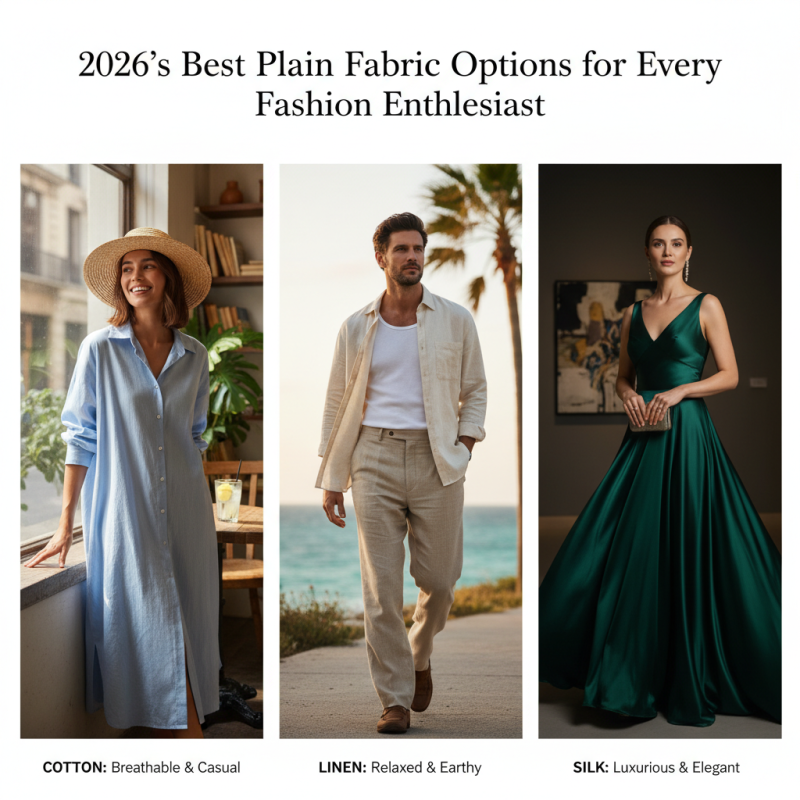
In 2026, exploring the best plain fabric options reveals exciting choices. Cotton, linen, and silk are popular for their unique textures and draping qualities. Each fabric can elevate an outfit in its own way. Cotton is breathable and perfect for summer. Linen offers a relaxed vibe, ideal for warm days. Meanwhile, silk adds luxury and elegance. However, the challenge lies in selecting the right one for your needs.
Fashion enthusiasts often overlook the impact of fabric choice. Utilizing plain fabric can transform a look from ordinary to extraordinary. Yet, not everyone knows how to style these basics effectively. Understanding the essence of fabric is essential. For those willing to experiment, plain fabrics offer a canvas for self-expression. Consider this exploration a journey into the heart of fashion.
2026 Overview of Plain Fabric Trends in Fashion Industry
In 2026, plain fabrics are making a notable impact on the fashion industry. Designers emphasize clean lines and simplicity. This shift aligns with a broader trend toward minimalism, a concept gaining traction in consumer preferences. Reports indicate that around 65% of consumers now prefer timeless styles over transient trends.
Sustainability also shapes the use of plain fabrics. More brands are investing in eco-friendly materials. Research from industry studies shows a 40% increase in the use of organic cotton and recycled polyester. These choices reflect growing consumer awareness about environmental impacts. Yet, challenges remain—many brands struggle with sourcing truly sustainable materials.
Texture plays a vital role in 2026's plain fabric trends. From soft cottons to crisp linens, the feel of fabric influences consumer choices. Customers are seeking tactile experiences. However, balancing quality with cost can be tricky for manufacturers. In this context, plain fabrics are a canvas where the need for innovation meets simplicity. The challenge lies in creating textiles that resonate with consumers while addressing sustainability goals.
2026 Best Plain Fabric Options for Every Fashion Enthusiast
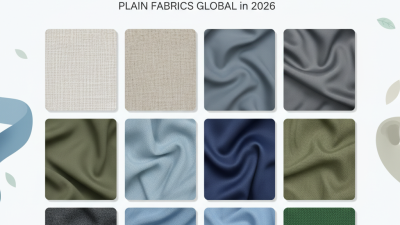
This chart illustrates the popularity of various plain fabric types in the fashion industry for the year 2026. The data reflects the percentage share of each fabric type based on recent trends and consumer preferences.
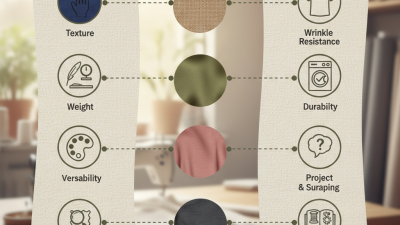
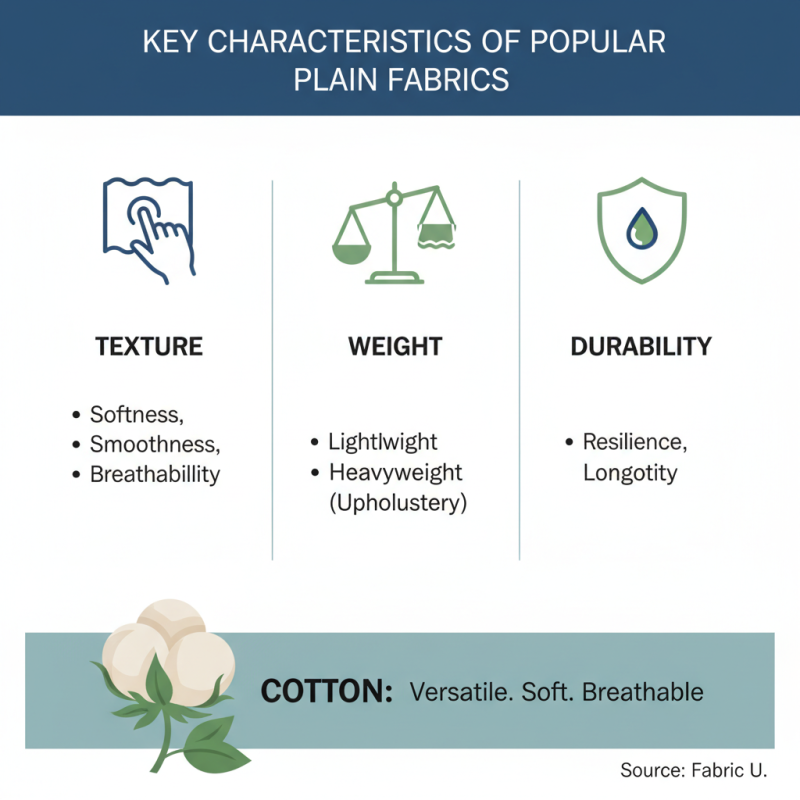
Key Characteristics of Popular Plain Fabrics: Texture, Weight and Durability
When it comes to choosing plain fabrics, texture, weight, and durability are key characteristics. Each element plays a vital role in how the fabric performs in various applications. For instance, cotton, a popular choice, offers a soft texture and breathability. According to Fabric U, cotton's weight varies from lightweight to heavyweight, making it versatile.
The durability of a fabric is often overlooked. A report from Textile World indicates that polyester blends can last up to 3 times longer than pure cotton. This can significantly impact not only the lifespan of clothing but also the sustainability of fashion choices. Opting for durable fabrics helps reduce waste, an essential consideration in today’s fashion landscape.
On the other hand, not all heavy fabrics are ideal for every garment. Fabrics like canvas provide great strength, but their weight can make them uncomfortable in warmer weather. Similarly, while lighter fabrics like chiffon are beautiful, they might lack the durability needed for everyday wear. This complexity in fabric selection can lead to varied experiences for consumers. Careful consideration of these characteristics can improve satisfaction, despite the challenges in fabric choice.
Sustainability in Fashion: Eco-Friendly Plain Fabric Options for 2026
Sustainability in fashion is becoming crucial as we approach 2026. The global fashion industry accounts for about 10% of carbon emissions. This is concerning for environmental advocates. Eco-friendly plain fabrics, like organic cotton and Tencel, offer sustainable alternatives. Reports indicate that consumers are increasingly choosing these materials. Research shows that organic cotton uses 88% less water than conventional cotton.
To embrace sustainability, consider using natural dyes. They are less harmful to the environment compared to synthetic colors. This shift can minimize the industry's ecological footprint. Remember, the average consumer wears clothing approximately seven times before discarding it. Choosing durable fabrics is key to reducing waste.
When selecting fabrics, look for certifications. GOTS and OEKO-TEX guarantee environmentally-friendly production. These certifications increase consumer trust and highlight responsible choices. Sustainability is a journey, and not every fabric will meet all criteria. Assessing and reflecting on your fabric choices can lead to a more sustainable wardrobe.
2026 Best Plain Fabric Options for Every Fashion Enthusiast
| Fabric Type |
Sustainability Rating |
Eco-Friendly Certifications |
Best For |
| Organic Cotton |
High |
GOTS, OEKO-TEX |
Casual Wear, T-Shirts |
| Tencel Lyocell |
Very High |
TENCEL™, FSC |
Dresses, Blouses |
| Hemp Fabric |
High |
OEKO-TEX, GOTS |
Outerwear, Accessories |
| Recycled Polyester |
Medium |
Global Recycled Standard |
Activewear, Sportswear |
| Bamboo Fabric |
Medium |
OEKO-TEX |
Lounge Wear, T-Shirts |
Consumer Preferences: Plain Fabrics in High-End vs. Fast Fashion Markets
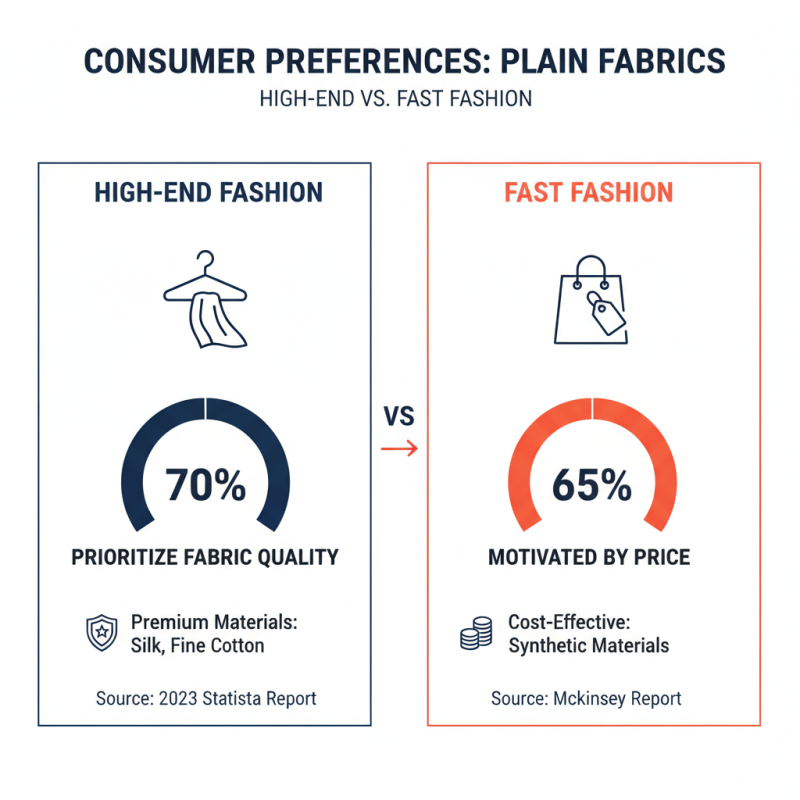
In recent years, the plain fabric market has shown distinct trends in consumer preferences. High-end brands often use premium materials like silk and fine cotton. According to a 2023 Statista report, 70% of luxury consumers prioritize fabric quality over design complexity. In comparison, fast fashion brands focus on cost-effectiveness. They often opt for synthetic materials, which can lower production costs significantly. A survey by McKinsey reports that 65% of consumers in the fast fashion market are motivated by price rather than fabric quality.
When shopping for plain fabrics, consider the sustainability aspect. The textile industry has a significant environmental impact. Tips for eco-friendly choices include looking for organic cotton or recycled fibers. While these options might be pricier, they contribute to a more sustainable future.
Another insight is that the appeal of plain fabrics often lies in their versatility. However, fast fashion can sacrifice longevity for immediate trends. Many consumers notice a decline in fabric quality after a few washes, prompting reflection on the true cost of cheap garments. Opting for higher-quality plain fabrics may lead to long-term savings and a more refined wardrobe.
Innovative Technologies: How Fabric Engineering is Shaping Trends in 2026
In 2026, innovative fabric engineering is revolutionizing the textile industry. Fashion enthusiasts can expect new materials that blend functionality with style. Think moisture-wicking fabrics combined with stunning visual textures. These advancements are not just about aesthetics; they enhance the wearer's experience, making garments more comfortable and practical.
New technologies are paving the way for smart textiles. These fabrics can adapt to temperature changes, offering personalized comfort. Imagine wearing a dress that adjusts its warmth based on the weather. It's a fascinating direction, yet it raises questions about sustainability. How eco-friendly are these materials?
As trends evolve, the significance of fabric choices is undeniable. Consumers are more knowledgeable about textiles than ever. They seek not just fashion but ethical production and durability. This shift challenges designers to think carefully about their fabric selections. The right fabric can transform an outfit, but accessibility and ethics must also guide our choices.

 +86 15968093247
 CONTACT NUMBER
 CONTACT e-mail