What is Plain Fabric and How is it Used in Global Trade?
Plain fabric plays a crucial role in the global textile industry. It is a foundational element found in numerous clothing and home textile products. According to textile expert Dr. Emily Zhang, “Plain fabric serves as the canvas for fashion innovation.” This insight highlights its importance beyond mere functionality.
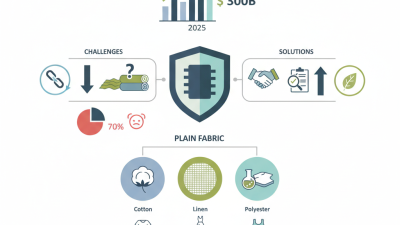
In global trade, plain fabric serves diverse markets, catering to different tastes and needs. Its simple structure allows for versatility in design, making it a popular choice among designers and manufacturers. However, challenges persist. Quality control and sourcing ethical materials are constant concerns for businesses.
Despite its simplicity, plain fabric requires thoughtful consideration in production and trade. Issues such as sustainable practices and ecological impact demand our attention. The industry must address these to enhance reliability among global consumers. As the demand for plain fabric grows, so does the responsibility of industry players to lead with integrity.

Definition of Plain Fabric and Its Characteristics
Plain fabric is a fundamental textile used widely around the world. It refers to fabric made from a single type of yarn, which gives it a uniform appearance. This simplicity makes plain fabric a preferred choice in various industries, especially in the apparel and home textiles sectors. According to the International Textile Manufacturers Federation, the plain fabric segment accounts for nearly 30% of the global textile market, highlighting its significance in trade.
One key characteristic of plain fabric is its versatility. It can be made from different fibers, including cotton, polyester, and linen. This adaptability allows manufacturers to cater to diverse consumer preferences. Reports indicate that cotton plain fabrics represent approximately 20% of the global plain fabric sales due to their soft texture and breathability. However, the sheer volume of plain fabric production can lead to oversaturation in some regions. This raises questions about sustainability and the environmental impact of large-scale fabric manufacturing.
Moreover, the durability of plain fabrics is another noteworthy trait. Fabrics made for high-usage environments, like workwear, often prioritize plain designs to ensure longevity. However, plain does not always equate to boring. Creative designers are exploring innovative techniques to add texture or patterns to plain fabrics, creating exciting products. Yet, finding the right balance between innovation and maintaining the core appeal of plain fabric remains a challenge for many in the industry.
Types of Plain Fabric Commonly Used in the Industry
Plain fabric is a fundamental textile used across various industries. It is characterized by its simple weave and lack of patterns, making it versatile. Manufacturers often favor plain fabrics for their durability and ease of production. This quality allows for a wide range of applications, from clothing to home décor.
Cotton is one of the most popular types of plain fabric. It offers breathability and comfort, making it suitable for everyday wear. Linen is another common choice, especially in warmer climates. Its natural texture gives garments a casual feel. Polyester, on the other hand, is favored for its stain resistance and strength. Each type of plain fabric has unique properties that cater to different markets and consumer needs.
While plain fabrics are generally reliable, sourcing them can be challenging. Producers may face issues with consistency in quality. Variations in dye and weave can lead to a mismatch in products. It is crucial for manufacturers to establish strong relationships with suppliers. This ensures that the materials meet industry standards and customer expectations. Exploring alternative sources can provide solutions, although it may involve additional risks and complexities.
Applications of Plain Fabric in Various Sectors
Plain fabric is a versatile textile used across various industries. Its simplicity and durability make it a staple in clothing, home furnishings, and industrial applications. In the fashion sector, designers often choose plain fabric for its adaptability. It allows them to create timeless pieces that can be dressed up or down.
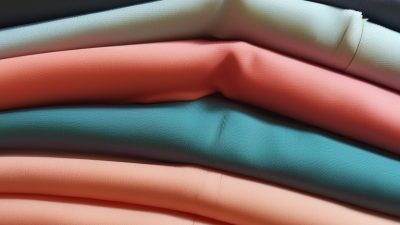
In home interiors, plain fabrics are favored for upholstery and curtains. They provide a neutral backdrop that complements various decor styles. Fabrics in muted tones can enhance a room's ambiance without overwhelming it. Additionally, plain fabric is commonly used in the bedding industry, where comfort and durability are key.
However, the global trade of plain fabric faces challenges. Environmental concerns have arisen regarding the production processes. Many manufacturers still rely on chemicals that can harm both workers and the planet. This raises questions about sustainability. As the demand for eco-friendly options grows, the industry must reevaluate its practices. Exploring innovations in fabric production could lead to better options that balance quality and environmental responsibility.
What is Plain Fabric and How is it Used in Global Trade? - Applications of Plain Fabric in Various Sectors
| Sector |
Application |
Materials Used |
Production Volume (Millions of Meters) |
| Textile Industry |
Clothing Manufacturing |
Cotton, Polyester, Linen |
2000 |
| Home Textiles |
Bedding and Curtains |
Cotton, Polyester |
1500 |
| Fashion Industry |
Dressmaking |
Silk, Cotton |
800 |
| Automotive |
Upholstery |
Nylon, Polyester |
500 |
| Medical |
Surgical Gowns and Drapes |
Polyester, Spandex |
300 |
Impact of Plain Fabric on Global Trade Dynamics
Plain fabric, an essential component in the textile industry, plays a significant role in global trade dynamics. In 2020, the global textile market reached a valuation of approximately $920 billion. This includes diverse uses of plain fabrics in various sectors such as apparel, home decor, and industrial applications. The fabric's uncomplicated structure allows manufacturers to use it for mass production, making it a cost-effective choice for many businesses. This has facilitated lower retail prices, driving consumer demand across different markets.
The impact of plain fabric on trade can be seen in its versatility. For instance, cotton plain fabrics accounted for over 45% of the total textile exports in 2022, according to the International Textile Manufacturers Federation. While this number highlights its significance, there are challenges within the supply chain. Fluctuating cotton prices and changes in environmental regulations can disrupt availability. This leads to uncertainties that manufacturers must navigate, reflecting the delicate balance between demand and supply in the global textile market. As businesses adapt, the strategies employed may influence trade relationships and sustainability practices worldwide.
Impact of Plain Fabric on Global Trade Dynamics
Future Trends in the Production and Use of Plain Fabric
The future of plain fabric is poised for significant evolution. As sustainability rises in importance, manufacturers will need to adapt. Consumer demand for eco-friendly materials is increasing. Recycled fibers and organic cotton are becoming more mainstream. Innovations in dye processes will also play a crucial role in reducing environmental impact.
Technological advancements are reshaping production methods. Digital textile printing offers versatility and reduces waste. Automation can improve efficiency but poses challenges for traditional workers. Adapting to this shift requires investment in workforce training. Smaller manufacturers may struggle to keep pace with these changes.
Global trade in plain fabric also faces hurdles. Mismatched regulations between countries affect sourcing and distribution. Supply chain disruptions challenge timely delivery. Sustainable practices must harmonize with economic viability. Future trends will likely emphasize not just production, but ethical considerations too. These elements will define the landscape of plain fabric in global trade.

 +86 15968093247
 CONTACT NUMBER
 CONTACT e-mail