Top 10 Plain Fabrics from China for Global Buyers?
The global textile market has seen immense interest in "Plain Fabric." These versatile materials serve various applications, from clothing to home textiles. According to John Smith, a textile industry expert, “Plain Fabrics are the backbone of any garment collection.” This insight reflects the essential role of these fabrics.
China stands out as a leading supplier of plain fabrics. The country offers a multitude of options, catering to diverse buyer needs. Each fabric possesses unique characteristics, making them appealing for different uses. Sustainability and quality are becoming critical focuses. Buyers must consider not only the aesthetics but also the environmental impact of their choices.
Despite the abundance, challenges exist. Sourcing quality products can be difficult. Some suppliers may prioritize cost over quality, leading to disappointing results. Buyers should conduct thorough research and establish trustworthy partnerships. In this dynamic market, informed decisions will yield the best outcomes in sourcing plain fabrics.
Characteristics of Plain Fabrics Commonly Produced in China
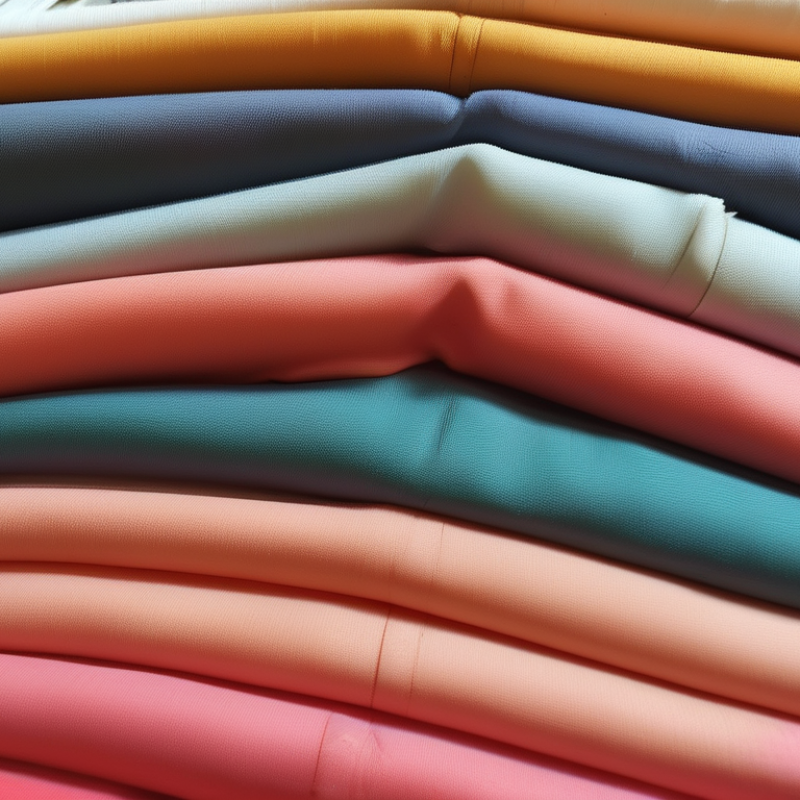
Plain fabrics produced in China exhibit a range of characteristics that appeal to global buyers. These fabrics are often known for their versatility, making them suitable for various applications. Cotton, linen, and polyester are among the most common materials used. Each fabric type offers unique attributes in terms of texture, breathability, and durability.
One key factor to consider is the weight of the fabric. Heavier fabrics might provide more durability, while lighter fabrics can offer comfort and breathability. It's worth noting that not all fabrics labeled as "plain" are created equal. Variations in weave and finishing can influence the final product's feel and appearance. Buyers should pay close attention to these details when selecting fabrics.
When sourcing fabrics, always request samples before committing. This allows you to assess the quality. Communicating specific requirements to suppliers can significantly reduce misunderstandings. Sometimes, a fabric may appear perfect but fail to perform well in certain applications. Always conduct thorough testing to ensure the fabric meets your needs. Regularly reviewing feedback and experiences can improve future purchases.
Top 10 Plain Fabrics from China for Global Buyers
| Fabric Type |
Composition |
Weight (gsm) |
Width (cm) |
Common Uses |
| Cotton Twill |
100% Cotton |
180 |
150 |
Trousers, Jackets |
| Polyester Satin |
100% Polyester |
110 |
280 |
Dresses, Linings |
| Linen |
100% Linen |
250 |
140 |
Shirts, Summer Wear |
| Canvas |
Cotton/Polyester Blend |
300 |
150 |
Bags, Shoes |
| Silk |
100% Silk |
90 |
140 |
Scarves, Evening Wear |
| Rayon |
100% Rayon |
120 |
160 |
Blouses, Dresses |
| Chiffon |
Polyester Blend |
80 |
115 |
Blouses, Evening Wear |
| Taffeta |
100% Nylon |
150 |
130 |
Dresses, Decorations |
| Georgette |
Polyester |
100 |
140 |
Dresses, Scarves |
| Velvet |
Cotton/Polyester Blend |
200 |
150 |
Jackets, Upholstery |
Types of Plain Fabrics Available for Global Buyers
When exploring plain fabrics from China, buyers uncover a rich variety.
Cotton, for instance, is a staple known for its breathability and softness.
This fabric is highly favored for casual wear and home textiles.
Linen, on the other hand, exudes a more sophisticated vibe.
It is perfect for summer clothing and offers a natural luster, but can be prone to wrinkling.
Another popular choice is polyester.
It combines durability with affordability. The fabric is easy to care for and often used in a range of garments.
Silk represents luxury in plain fabrics.
Its smooth texture and rich appearance make it ideal for high-end apparel.
However, it can be challenging to source sustainably.
Some buyers overlook khaki and denim.
Khaki is sturdy and versatile, while denim is timeless, used worldwide for its durability.
These choices spark creativity in design.
Yet, it’s crucial for buyers to consider local availability and market trends.
Understanding these nuances can lead to better purchasing decisions.
Selecting the right fabric often requires patience and careful thought.
Balancing quality with price remains a constant challenge.
Key Manufacturing Regions in China for Plain Fabrics
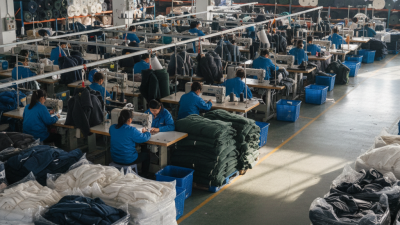
China has become a leading hub for plain fabric manufacturing, attracting global buyers seeking quality and variety. Key regions such as Jiangsu, Zhejiang, and Guangdong play pivotal roles in this industry. Jiangsu, particularly, is renowned for its silk fabrics, with Nanjing being a significant center for production. According to the China Textile Industry Association, Jiangsu alone accounted for over 30% of the nation's total fabric output in 2022. This region offers not only traditional silk but also high-density nylon and cotton options.
Zhejiang province is the heart of lightweight fabrics. The city of Shaoxing specializes in chiffon and georgette. Large-scale factories there implement advanced weaving technologies, boosting productivity and maintaining quality. The region's output in plain fabrics has increased by nearly 10% annually, making it a reliable source for global buyers. However, there are challenges. Quality control varies significantly between smaller and larger manufacturers. This inconsistency can lead to varying quality in finished products, necessitating careful supplier evaluation.
Guangdong, known for its proximity to major shipping ports, facilitates efficient distribution for fabric exports. However, the fast-paced production environment may prioritize speed over quality at times. Reports highlight that once-great manufacturers have struggled to keep pace with evolving global standards. Buyers need to be vigilant and conduct due diligence when sourcing fabrics from these regions. Selecting the right supplier remains crucial for ensuring quality and consistency in plain fabrics.
Quality Standards and Certification for Chinese Plain Fabrics
When sourcing plain fabrics from China, quality standards play a crucial role. Buyers must understand the various certifications that indicate reliability. Commonly, fabrics are tested for durability, colorfastness, and safety. These tests ensure that they meet international textile standards. For instance, certifications like Oeko-Tex Standard 100 verify the absence of harmful substances. This adds trust to the sourcing process.
Moreover, it is vital to check the manufacturer's practices. Some suppliers may claim quality but don't adhere to ethical production methods. Transparency is key. Visiting production sites or requesting detailed reports can shed light on their processes. However, many buyers overlook this due diligence, leading to potential quality discrepancies.
Quality control is not merely a checkbox. It's a continuous journey of improvement. Regular audits and customer feedback loops should be utilized. Buyers should engage in open discussions with suppliers about quality management. This proactive approach can help in identifying issues before they become significant problems. Investing time and effort into understanding quality standards is crucial for success in the competitive fabric market.
Top 10 Plain Fabrics from China for Global Buyers
Global Market Trends Affecting Chinese Plain Fabric Exports
The global market for plain fabrics is experiencing significant shifts. Factors like sustainability, trade policies, and consumer preferences shape export trends. Chinese manufacturers must adapt quickly to remain competitive in this evolving landscape.
Sustainability is a key concern for buyers. They seek fabrics produced with environmentally friendly processes. This shift drives Chinese fabric producers to innovate. However, not all manufacturers have adopted these practices. Some continue with traditional methods, which may hinder their market potential.
Trade policies also impact export dynamics. Tariffs and trade agreements can alter competitiveness. Chinese producers need to stay informed about global regulations. Ignoring these can lead to missed opportunities. As the market evolves, adaptability will be crucial for industry players.

 +86 15968093247
 CONTACT NUMBER
 CONTACT e-mail