Why Choose Plain Fabric for Your Next Global Sourcing Project?
In the world of textile sourcing, choosing the right material is crucial. Experts like John Doe, a leading fabric consultant, emphasize the importance of this decision. "Plain Fabric offers versatility and reliability for global projects." His words resonate in an industry where the right choice can make or break a project.
Plain Fabric stands out due to its adaptability across various applications. Whether it's for fashion, home decor, or industrial uses, its simplicity provides a reliable foundation. Many businesses find it to be a cost-effective solution that does not compromise on quality.
However, relying solely on Plain Fabric might not be without its challenges. Brands must consider the nuances of design trends and consumer preferences. While its straightforward nature can be a benefit, it can also lead to a perception of plainness in a saturated market. Reflecting on these aspects is essential for any successful sourcing project. The journey with Plain Fabric is not just about the fabric itself; it involves understanding its role in an ever-evolving market landscape.
Advantages of Plain Fabric in Global Sourcing Projects
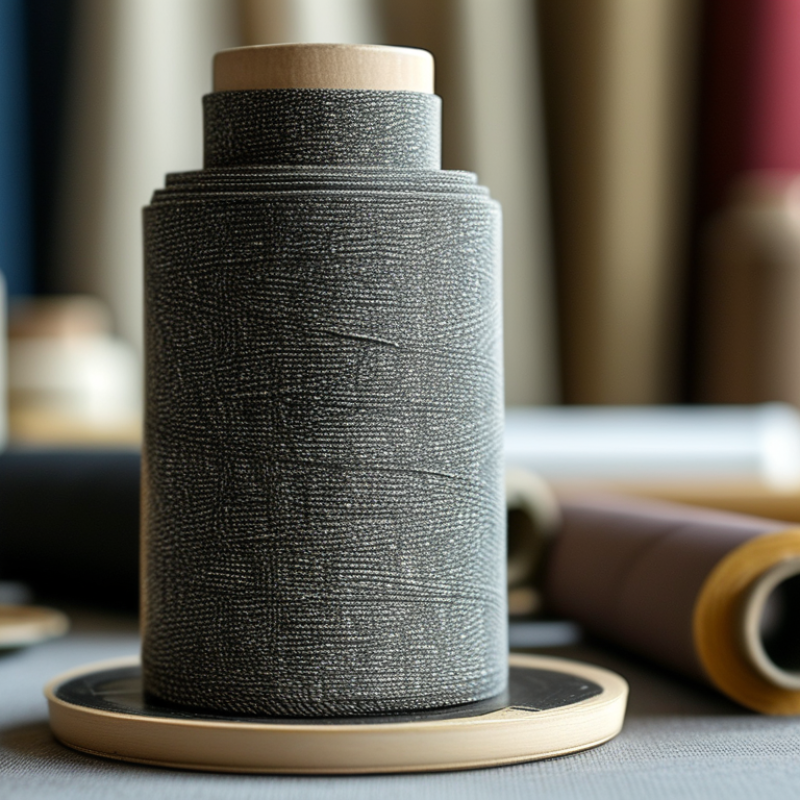
Plain fabric has become a preferred option for global sourcing projects due to its versatility and ease of use. Its neutral appearance allows for adaptable applications across various industries. Whether for apparel, home textiles, or industrial purposes, plain fabric meets diverse design needs while maintaining a timeless aesthetic.
Selecting plain fabric can also streamline the sourcing process. It often requires less complex manufacturing, reducing lead times. Additionally, sourcing teams can benefit from lower production costs with plain fabrics. This cost-effectiveness can enhance profit margins. However, challenges may arise related to quality consistency. Ensuring reliable suppliers becomes vital in this context. It's crucial to establish robust quality control measures.
Moreover, plain fabrics are ideal for customization options. They provide a blank canvas for patterns and prints. Yet, this can also lead to less differentiation in the marketplace. Businesses must creatively strategize to stand out. The balance between simplicity and uniqueness is essential in today’s competitive landscape. Adopting a thoughtful approach to sourcing plain fabrics can yield significant advantages without overcomplicating the supply chain.
Cost-Effectiveness of Plain Fabric Compared to Patterned Options
When considering global sourcing projects, choosing plain fabric can offer significant cost advantages. According to a report by Technavio, plain fabrics can reduce material costs by up to 30% compared to their patterned counterparts. This can be particularly beneficial for manufacturers looking to optimize their budgets while still ensuring quality.
The simplicity of plain fabric not only reduces production costs but also streamlines the supply chain. With fewer design variations, manufacturers can manage inventory more efficiently. A 2021 study by McKinsey indicates that efficient inventory management can save companies around 15% in operating costs annually. Moreover, plain fabrics can appeal to a broader market, as neutral shades often fit various consumer preferences and trends.
However, it is essential to acknowledge that relying solely on plain fabric may limit creative expression. Some brands may struggle with differentiation when solely using this type of material. As fashion trends evolve, the challenge lies in balancing cost-effectiveness with innovation. While plain fabric offers reliability, brands need to explore how they can incorporate unique designs without straying from financial prudence.
Versatility of Plain Fabric in Various Applications and Industries
When considering global sourcing projects, plain fabric stands out for its versatility. This type of fabric finds applications in diverse industries, from fashion to automotive. Its simple design often makes it easier to blend with various materials, enhancing overall product appeal. For instance, in fashion, plain fabrics can serve as a perfect backdrop for vibrant prints and patterns. They create balance and sophistication in clothing lines.
Tips: When selecting plain fabric, consider the end use. Different fibers have unique properties. Cotton, for example, is excellent for comfort, while polyester offers durability. Don’t overlook the importance of the fabric’s weight and texture, as these elements influence the final product.
In the home furnishings sector, plain fabric is equally valuable. It allows for easy coordination with existing decor and can effortlessly adapt to changing trends. Moreover, the supply chain for plain fabrics is often more reliable and cost-effective. Keep in mind that while plain fabric is versatile, it isn’t suitable for every application. Some projects might require more intricate designs. Thus, evaluating your project's specific needs is essential for successful outcomes.
Sustainability Considerations in Sourcing Plain Fabric Materials
When sourcing fabrics, choosing plain materials can significantly impact sustainability. Plain fabrics, often made from natural fibers, usually require less dyeing and chemical treatment. This decision contributes to lower water usage and pollution, making a positive environmental impact.
Tip: Explore local suppliers. This reduces transportation emissions and supports community economies. Local sourcing often yields higher quality and more sustainable options.
Sustainable sourcing of plain fabrics also involves considering the lifecycle of materials. Look for textiles made from organic or recycled fibers. These options not only minimize waste but also reduce the demand for new raw materials. It fosters a circular economy that benefits both the planet and manufacturers.
Tip: Audit your sourcing process. Identify areas for improvement, like reducing single-use packaging or waste generated during production. Small changes can lead to substantial benefits over time.
Integrating sustainability into your sourcing strategy can build a responsible image. However, it's important to continually assess your practices. Are recyclable options available? Could you further improve waste management? Constant reflection is key.
Consumer Preferences for Plain Fabric in the Fashion Market
Consumer preferences are shifting towards plain fabric in the fashion market. Simple, unembellished designs appeal to many shoppers. Plain fabrics resonate with minimalism and sustainability. With increasing awareness, consumers prefer basic styles that endure through seasons. They seek versatility and comfort in their wardrobe choices.
The demand for plain fabric is also influenced by the rise of eco-consciousness. Many consumers want clothing that is easy to recycle or repurpose. This trend raises questions about fast fashion's impact. While plain fabrics are often seen as timeless, they can sometimes lead to a lack of creativity. Fashion brands may struggle to differentiate themselves in a sea of basic options.
Additionally, sourcing plain fabrics can present challenges. The market is saturated, making quality control crucial. Finding reliable suppliers who share sustainability values is essential. Communication with producers must be clear to avoid misunderstandings. Despite these hurdles, the potential for plain fabric in global sourcing remains strong. Brands must adapt and innovate to meet consumer demands while being mindful of the broader implications of their choices.
Why Choose Plain Fabric for Your Next Global Sourcing Project?
| Criteria |
Consumer Preference (%) |
Reason for Preference |
| Color Versatility |
65% |
Plain fabrics can easily be matched with various styles. |
| Style Timelessness |
58% |
Plain fabrics never go out of style and remain trendy across seasons. |
| Comfort and Feel |
72% |
Consumers prefer the softness and comfort level in plain fabric. |
| Affordability |
60% |
Plain fabrics are generally more cost-effective than printed options. |
| Customization |
54% |
Easier to customize with embroidery or other embellishments. |

 +86 15968093247
 CONTACT NUMBER
 CONTACT e-mail