How to Choose the Best Flannel Clothing for Every Season?
Choosing the right flannel clothing can seem daunting. Flannel is a versatile fabric, perfect for various seasons. Renowned fashion expert, Emily Carter, emphasizes, "The right flannel can elevate your entire wardrobe." Her insight highlights the importance of choosing quality pieces.
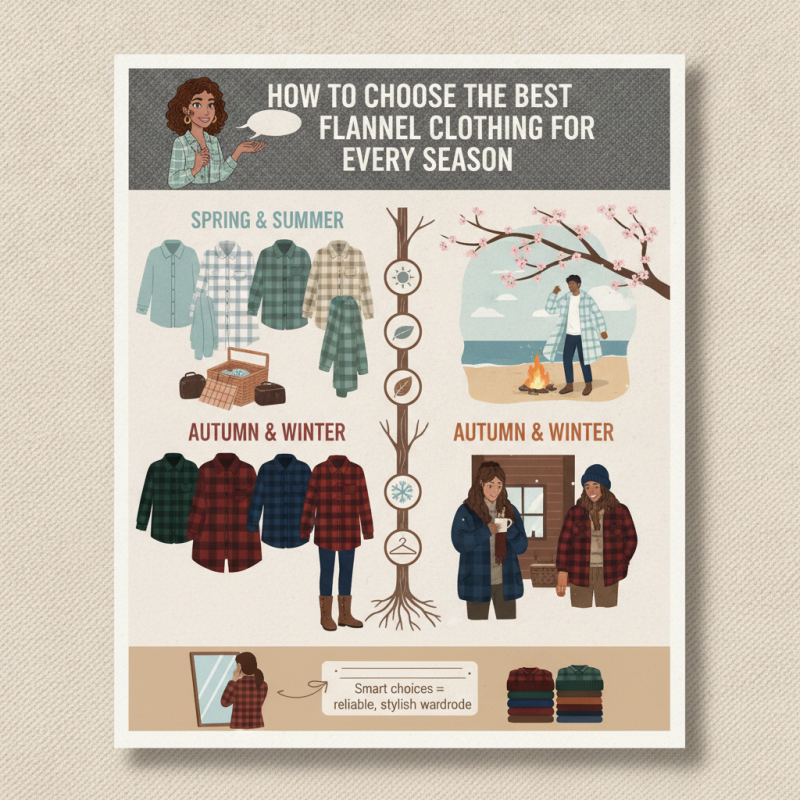
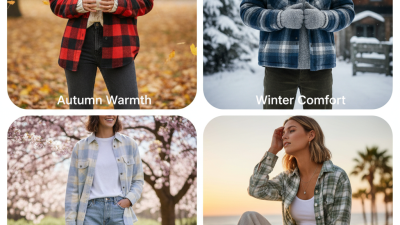
When selecting flannel, consider the weight and texture. Lighter options work well in spring and summer. Thicker flannels are ideal for chilly autumn and winter days. Look for balanced patterns that resonate with your style. Whether you're dressing for warmth or fashion, quality matters.
However, not every flannel will fit every occasion. Some may feel cozy but lack durability. Others might look great but are uncomfortable. It’s essential to reflect on your preferences. Pay attention to how each piece feels and fits. Smart choices can lead to a reliable, stylish wardrobe.
Understanding Flannel Fabric: Types and Characteristics
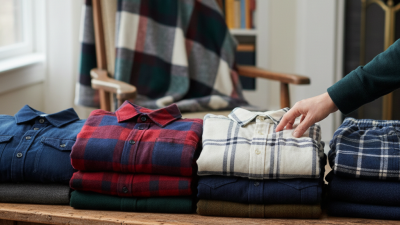
Flannel fabric is a favorite among many for its warmth and versatility. Understanding its types and characteristics can help you choose the best flannel clothing for any season. Traditionally, flannel is made from cotton or wool. Cotton flannel is soft and breathable, ideal for mild weather. Wool flannel, on the other hand, is thicker and warmer, perfect for colder days.
When selecting flannel, consider the weight of the fabric. Lightweight flannels are great for layering in spring and fall. Heavier options provide insulation during winter months. The weave also matters; brushed flannel has a fuzzy texture, enhancing comfort. However, it may trap heat, making it less suitable for hot weather.
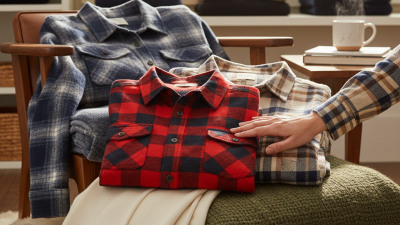
Patterns and colors are another aspect to reflect on. Classic plaids are timeless, while solid colors offer versatility. You might find that certain colors complement your skin tone better. It can be tricky to balance style with function, but knowing the fabric's qualities can lead you to a better decision. Keep in mind that personal comfort varies. What works for one person might not work for another.
Choosing Flannel for Different Weather Conditions
When choosing flannel clothing, consider the weather conditions. Flannel provides excellent warmth, yet it can be too heavy for milder temperatures. According to a recent industry report, nearly 48% of consumers prefer lightweight flannel in spring and fall. Choose lighter fabric blends for these seasons to ensure comfort.
For colder months, opt for thicker, brushed flannel. This type offers superior insulation. A significant 65% of shoppers reported feeling much warmer in heavier flannel while outdoors. However, over-layering can lead to discomfort and overheating. Find a balance by pairing thick flannel with breathable undershirts.
Tips: Look for flannel with a high cotton content. This enhances breathability. Remember that fit matters too. A loose fit allows airflow, but ensure it’s not too baggy. Test the flannel by wearing it throughout the day. This prevents potential regret from not choosing the right material for your activities. Fashion should blend with functionality.
Selecting the Right Flannel Weight for Each Season
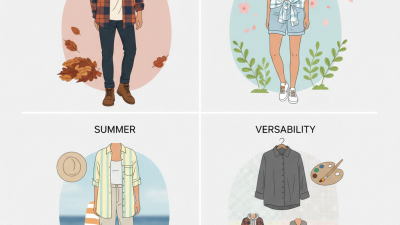
Choosing the right flannel weight for each season is essential. Flannel can vary widely in thickness and material. For winter, opt for heavier flannel. The thicker fabric provides warmth and insulation against the cold. Look for options that are brushed on both sides. This creates a cozy feel, perfect for chilly days.
In spring and fall, a medium-weight flannel works best. These are versatile and comfortable. They provide enough warmth without being too hot. Layering is key in these transitional seasons. A medium weight allows for easy layering over lightweight shirts or under jackets.
Summer flannel? It might sound odd, but lightweight flannel exists. Choose fabrics that are breathable and cooler against the skin. Look for flannel that feels soft and airy. A less dense weave can keep you feeling fresh even in warmer months.
Remember, not every flannel is created equal; it's vital to feel the fabric and test its weight. Flannel should feel right for the season.
Styles and Cuts of Flannel Clothing for Every Occasion
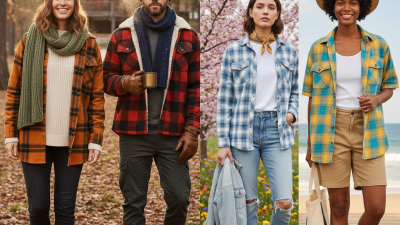
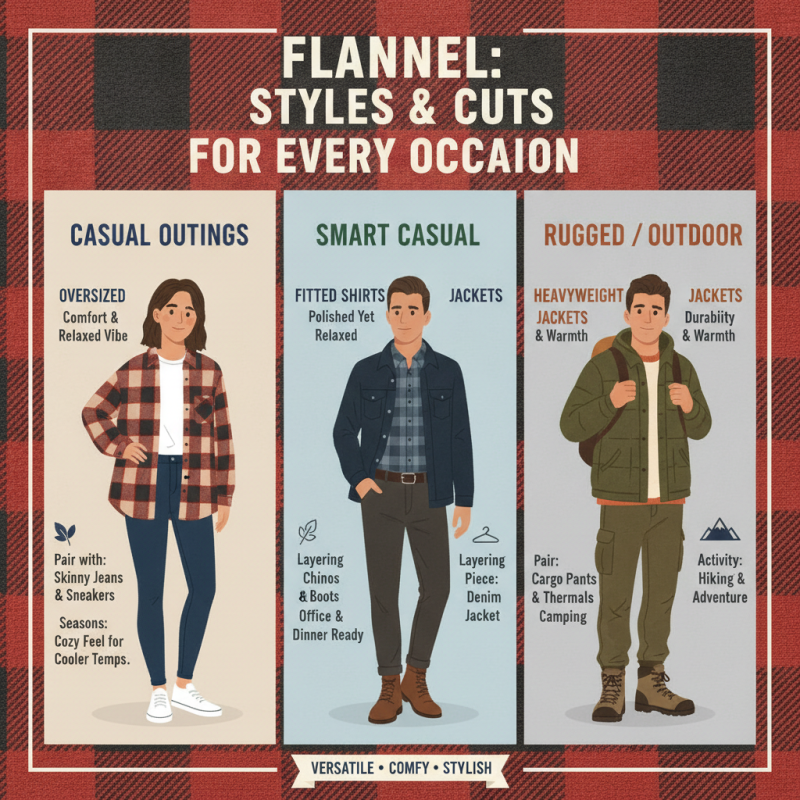
Flannel clothing comes in various styles and cuts, making it a versatile choice for every occasion. For casual outings, opt for oversized flannel shirts. They provide comfort and a relaxed vibe. Pair them with skinny jeans and sneakers for a laid-back look. This style works well in both fall and spring. The softness of flannel creates a cozy feel, perfect for cooler temperatures.
For more formal settings, consider flannel blazers or tailored shirts. These pieces elevate your outfit while maintaining the fabric's warmth. A fitted flannel blazer can be paired with dress pants or a skirt, making it suitable for office wear or social events. It adds a sophisticated edge without compromising comfort. Remember, the fit is crucial. An ill-fitting piece can ruin your whole look.
Don't shy away from experimenting with colors and patterns. Classic plaid designs can add a pop of personality. However, be cautious; sometimes bold patterns may clash with your vibe. Choose wisely. Incorporating flannel into your wardrobe is rewarding, but it requires some thought to balance style and comfort.
Care and Maintenance Tips for Longevity of Flannel Garments
Flannel garments require proper care to maintain their appealing look. Washing them incorrectly can result in fading and pilling. A report from the Textile Research Journal highlights that improper washing can reduce fabric durability by up to 30%. To prevent this, always wash flannel in cold water on a gentle cycle. This method keeps the fibers intact. Avoiding bleach is essential since it can weaken the fabric significantly.
Drying techniques are just as crucial. Air drying is preferred over machine drying. The hot air from dryers can shrink flannel and damage its fibers. A study from the Fabric Care Association indicates that air drying can extend the life of flannel garments by 50%. When ironing, use a low heat setting to prevent burns. Flannel is typically cozy but can become coarse if mishandled.
Storing flannel properly helps prevent issues like mildew or moth damage. A dark, dry place is ideal. Fold flannel rather than hanging it, as this can distort its shape. Regularly check stored items, as flannel can hold moisture. The Care Council recommends periodic refreshing to maintain fabric integrity and freshness. With thoughtful care, flannel garments can last for years, keeping you warm across all seasons.

 +86 15968093247
 CONTACT NUMBER
 CONTACT e-mail