How to Choose the Best Flannel Clothing for Your Needs?
When choosing flannel clothing, many factors come into play. Flannel fabric is known for its warmth and comfort. However, the variety of options available can be overwhelming. You might wonder which type of flannel will truly meet your needs.
Selecting the right flannel clothing requires understanding your lifestyle. Do you need lightweight or heavyweight flannel? Consider how often you will wear these items. Look for breathability and softness. Quality matters significantly. Brands may claim superiority, but not all deliver.
Shopping can lead to impulse buys if you're not careful. A stylish flannel may catch your eye, but it might not suit your function. Analyze your wardrobe and current trends. Reflect on what you truly need, rather than what looks good at first glance. Ultimately, the best flannel clothing is the one that perfectly balances style, comfort, and functionality for you.
Understanding Flannel Fabric: Characteristics and Benefits
Flannel fabric, a popular choice for various clothing items, offers unique characteristics that many individuals appreciate. Its soft, brushed texture provides warmth and comfort. Studies show that about 85% of consumers seek warmth in their clothing choices, particularly in colder months. This makes flannel a go-to option for both loungewear and outdoor activities.
In addition to its cozy feel, flannel is known for its breathability. It allows air to circulate, which helps regulate body temperature. According to fabric expert reports, flannel can retain heat without causing overheating. Many people, however, often overlook fabric weight. Heavier flannel offers more warmth but can feel bulky. Lighter weights provide breathability but may lack the same insulation.
Understanding how flannel is woven can also influence your choice. The twill weave is common, providing durability and a resistant surface. But, not all flannels are created equal. Some may pill after repeated washings. Consumers reported dissatisfaction with lower-quality options. It’s essential to consider both the texture and the weave type to ensure longevity in your flannel choices.
Different Types of Flannel Clothing: Shirts, Pants, and More
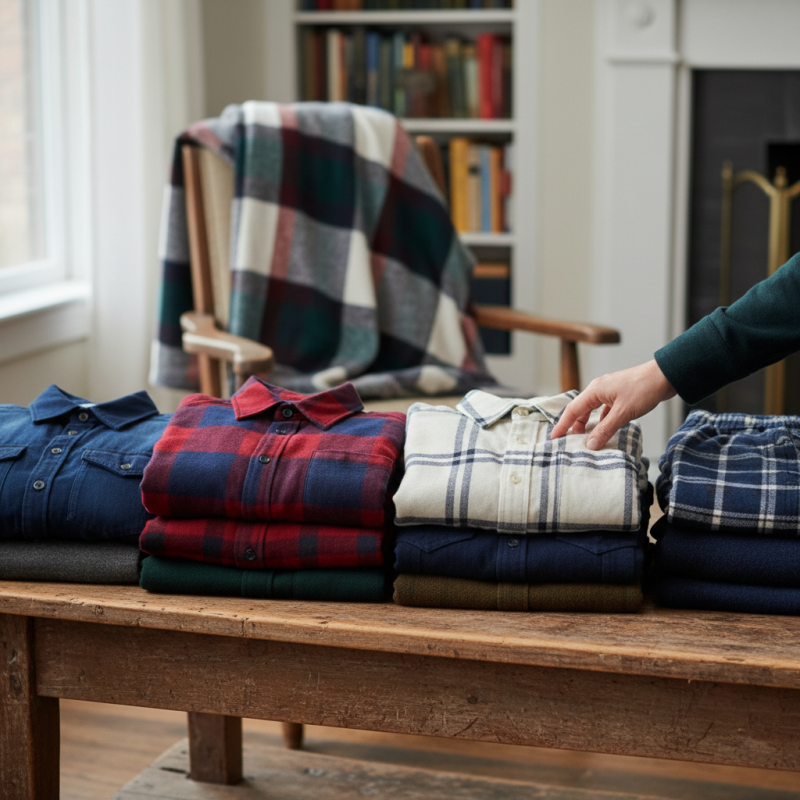
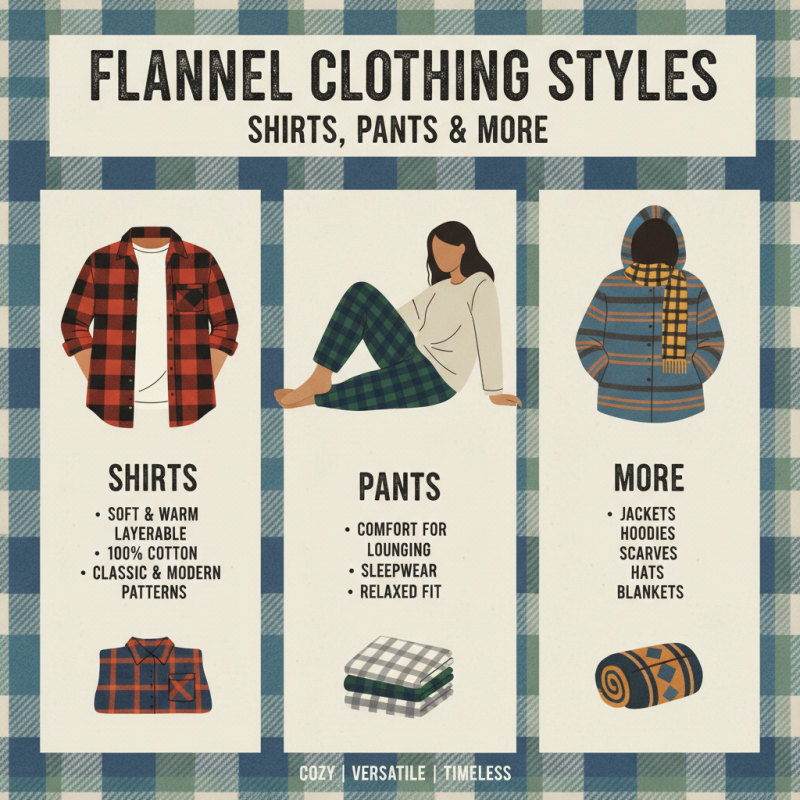
Flannel clothing comes in various styles, with shirts and pants being the most popular. Flannel shirts are renowned for their softness and warmth. They can be worn as casual wear or layered for more warmth. Look for shirts made from 100% cotton for comfort. Patterns greatly vary, from classic checks to modern designs. Choose a style that resonates with your personality.
Flannel pants are another versatile option. They provide not only warmth but also excellent mobility. Many people wear them during outdoor activities, like hiking. The fabric’s breathability is a significant advantage. Some pants even come with an elastic waistband for added comfort. When selecting pants, consider the fit, especially if you'll wear them over long periods.
There are also less common types of flannel clothing, such as jackets and dresses. These pieces often combine the cozy feel of flannel with stylish cuts. Explore different designs to find one that meets your needs. Keep in mind that fit and fabric quality are essential for comfort and durability. Choosing the right flannel can be overwhelming, but taking your time can lead to better results.
Key Factors to Consider When Choosing Flannel Clothing
When choosing flannel clothing, several key factors come into play. First, consider the fabric weight. Heavier flannel provides warmth, making it suitable for colder climates. Lighter weights are breathable, ideal for layering in transitional seasons. Think about your comfort needs. If you're prone to overheating, a lighter flannel may be your best choice.
Fit is also essential. Flannel should drape comfortably over your body. Look for a relaxed fit if you plan to layer it over other clothes. A tailored fit offers a polished look well-suited for casual outings. Be mindful of the sleeve length and how the shirt fits at the shoulders.
**Tips:** Always check for quality stitching and fabric. Poor construction can lead to early wear. Washing instructions matter too. A flannel shirt that shrinks may lose its fit. Try to test different styles before committing. This allows you to find the perfect combination of comfort and style. Remember that personal preference varies, so take your time to find what feels right for you.
Sizing and Fit: How to Select the Right Size for Comfort
Choosing the right size for flannel clothing is crucial for comfort and style. A well-fitted flannel enhances your experience while wearing it. According to a study by the Textile Research Journal, approximately 70% of consumers reported discomfort linked to incorrect sizing. These reactions can affect your overall satisfaction and how often you wear the garment.
To determine the right fit, start by measuring your waist, chest, and arm length. Many brands provide detailed sizing charts. A relaxed or tailored fit can significantly influence comfort levels. A loose flannel allows for layering, while a snug fit could restrict movement. The goal is to avoid the tightness that can lead to irritation, or the bagginess that may look unkempt.
Consider the fabric's properties as well. Flannel can stretch and shrink with washing, which may alter the fit over time. Reports indicate that 30% of wearers experienced size changes after washing. If you like a particular flannel, think about buying one or two sizes up. This can prevent disappointment later on. A reliable fit combined with quality fabric can elevate your favorite flannel from just functional to truly enjoyable.
How to Choose the Best Flannel Clothing for Your Needs? - Sizing and Fit: How to Select the Right Size for Comfort
| Size |
Chest (inches) |
Waist (inches) |
Fit Type |
Ideal Use |
| S |
34-36 |
28-30 |
Slim |
Casual Wear |
| M |
38-40 |
32-34 |
Regular |
Workwear |
| L |
42-44 |
36-38 |
Loose |
Outdoor Activities |
| XL |
46-48 |
40-42 |
Relaxed |
Layering |
| XXL |
50-52 |
44-46 |
Oversized |
Comfort Wear |
Caring for Your Flannel Clothing: Maintenance Tips for Longevity
Caring for flannel clothing is essential for maintaining its softness and durability. To extend the life of your flannel, wash it in cold water. Hot water can cause shrinkage and fading. Use a gentle detergent to protect the fabric's fibers. Avoid bleach, as it can damage the texture and color.
After washing, air drying is ideal. Hanging your flannel to dry minimizes wrinkles and retains its shape. If you're using a dryer, select a low heat setting. Check for any pilling; it's normal, but can be removed with a lint roller. Occasionally, your flannel may need ironing. Use a low-heat setting and iron it while slightly damp to smooth out any creases.
Regular inspection is crucial. Look for signs of wear, such as thinning areas or loose threads. Addressing these issues early can prevent further damage. Flannel is beloved for its comfort, but without proper care, it can lose its charm. Reflect on your maintenance routine to ensure you’re giving your flannel the love it deserves.

 +86 15968093247
 CONTACT NUMBER
 CONTACT e-mail