How to Source Plain Fabric for Your Fashion Business?
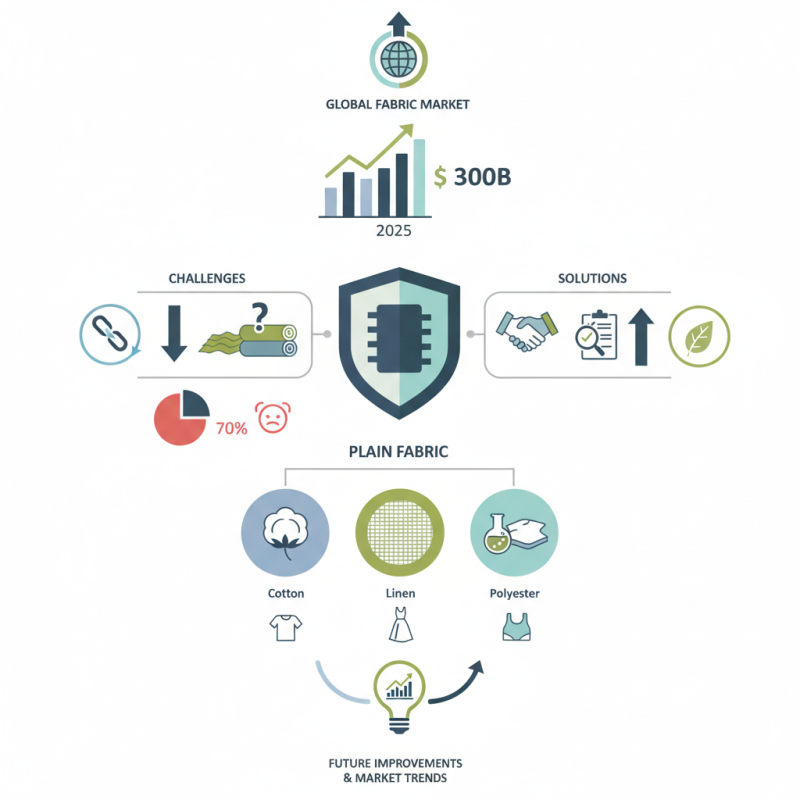
In the competitive landscape of the fashion industry, sourcing plain fabric is vital. Recent studies indicate that the global fabric market is projected to reach approximately $300 billion by 2025, emphasizing the demand for basic materials. Plain fabric serves as the foundation for diverse clothing lines, offering versatility and numerous applications. As fashion brands seek to innovate, the quality and source of plain fabric can significantly impact production efficiency and sustainability.
However, sourcing can be challenging. Manufacturers often struggle with inconsistencies in quality and supply chain disruptions. According to a report by Statista, 70% of fashion businesses face issues with material sourcing. This highlights the need for strategic partnerships and reliable suppliers. Choosing the right plain fabric not only influences design but also customer satisfaction and brand loyalty.
Understanding the specific needs of your fashion line is essential. Various fabrics, like cotton, linen, and polyester, serve different purposes. Evaluating these options can be a slow process. Yet, the right plain fabric can elevate a collection and enhance marketability. Reflecting on the sourcing journey can yield important insights into future improvements and market trends.
Identifying Different Types of Plain Fabrics for Fashion Applications
When sourcing plain fabric for fashion applications, understanding the various types is essential.
Cotton is a popular choice due to its breathability and comfort. It comes in many weights, making it ideal for everything from t-shirts to dresses. Linen offers a textured finish and is perfect for warm-weather clothing, but wrinkles easily. This can be a drawback for some designs.
Silk is elegant and luxurious but can be challenging to work with. Its slippery texture may lead to unintended shifts in pattern alignment. Polyester is durable and easy to care for, but it may lack the same natural feel as other fibers. When selecting fabrics, consider their drape and how they interact with your designs.
It’s crucial to sample various fabrics before making a final decision. Some fabrics may look fantastic in theory but fall flat in reality. Always pay attention to how the fabric feels and behaves. Involving a variety of textures can lead to successful collections, yet managing these diverse materials can be tricky. Balancing aesthetics with functionality is key to successful fashion sourcing.
Understanding Sourcing Channels: Local vs. Global Fabric Suppliers
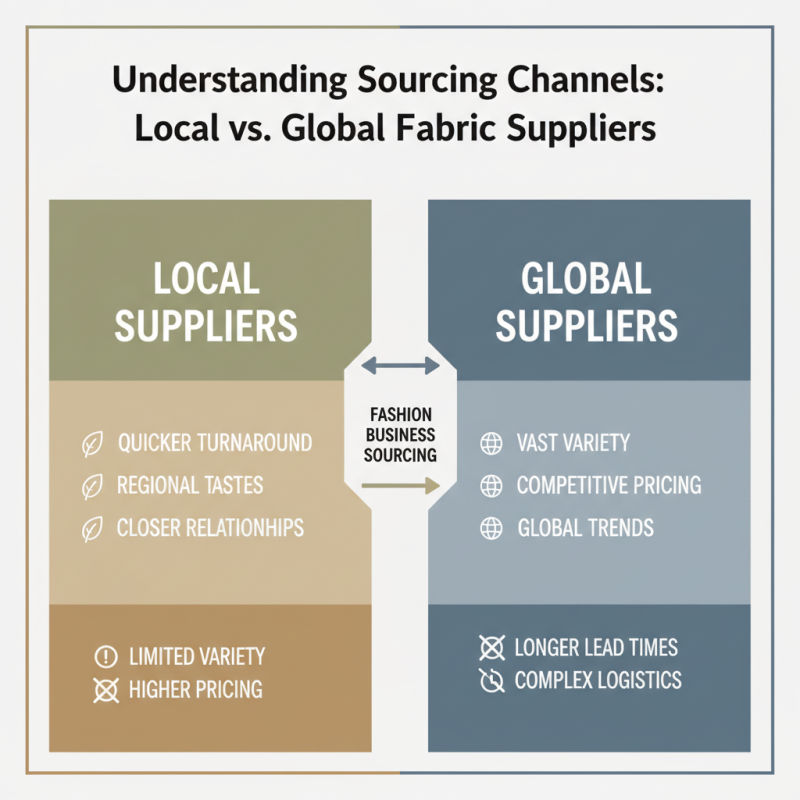
When sourcing plain fabric for your fashion business, understanding the advantages of local and global suppliers is crucial. Local suppliers often provide quicker turnaround times. They can offer fabrics that align with regional tastes and preferences. Additionally, you can develop closer relationships with these suppliers, fostering trust. However, local options may be limited in variety and pricing.
On the other hand, global suppliers can offer a wide range of materials. They often provide competitive pricing due to larger production scales. However, sourcing from abroad can present challenges. Shipping delays and import duties may impact your timeline and budget. Additionally, language barriers can complicate communication. It's essential to weigh these factors carefully.
Ultimately, the best choice will depend on your specific needs and business model. Reflecting on the balance between quality, cost, and reliability is necessary. A thorough research process and clear understanding of your priorities are important. These elements will greatly shape your sourcing strategy.
Evaluating Fabric Quality: Key Metrics and Industry Standards
When sourcing plain fabric for your fashion business, evaluating fabric quality is essential. Industry standards define several key metrics to consider. Fiber content, weight, and weave type are crucial. Reports indicate that over 75% of designers prioritize fabric durability in their selections. Fabrics that fray or wear thin quickly result in high return rates and loss of customer trust.
Another critical metric is the fabric's feel and drape. Consumers often determine their purchasing choices based on tactile experiences. A 2022 survey showed that 68% of customers were likely to choose a garment based on its texture alone. Test samples are necessary, but they may not always reflect mass-produced items. The inconsistency in fabric quality can be frustrating. It's essential to ask suppliers about their quality assurance processes.
Furthermore, understanding the environmental impact of fabric is gaining importance. The fashion industry is responsible for 10% of global carbon emissions. Sustainable practices are becoming industry standards. It’s vital to evaluate if the fabric adheres to these standards. Conducting audits can uncover both strengths and weaknesses in suppliers' offerings. This insight helps in forging better relationships and improving overall quality.
How to Source Plain Fabric for Your Fashion Business? - Evaluating Fabric Quality: Key Metrics and Industry Standards
| Fabric Type |
Weight (g/m²) |
Thread Count |
Texture |
Colorfastness (rating) |
Shrinkage (%) |
Certification |
| Cotton |
150 |
200 |
Soft |
4.5 |
3 |
OEKO-TEX |
| Polyester |
120 |
250 |
Smooth |
4.0 |
2 |
GOTS |
| Linen |
160 |
150 |
Textured |
4.7 |
5 |
FLA |
| Rayon |
130 |
180 |
Silky |
4.2 |
4 |
TENCEL |
Calculating Cost-Effectiveness: Budgeting for Fabric in Fashion Production
Budgeting for fabric in fashion production is crucial for any fashion business. In 2021, the global textile market was valued at approximately $920 billion. This figure is expected to grow. Understanding your costs can aid you in maintaining a sustainable financial model. The average cost of plain fabric fluctuates significantly. Prices can range from $5 to $30 per yard, depending on quality and material type.
To calculate cost-effectiveness, analyze your fabric needs carefully. Start by estimating how much fabric each piece requires. For instance, a basic T-shirt might need about 1.5 yards of fabric. Factoring in wastage, an additional 10% should be considered. This approach ensures you have adequate material without overspending. Tracking price shifts can be insightful. The fabric market can be volatile. Regularly monitoring trends allows for better bulk buying decisions.
Balancing quality with cost is a delicate task. Lower-priced fabrics might save money upfront but could affect overall product quality. Customers value quality. They are often willing to pay for better garments. Research from the Business of Fashion highlights that high-quality fabric directly influences customer satisfaction and brand loyalty. Investing wisely in fabric is essential for lasting success in the industry.
Establishing Sustainable Practices: Eco-Friendly Fabric Sourcing Options
Sourcing eco-friendly fabrics is crucial for sustainable fashion. Look for materials that minimize environmental impact. Organic cotton, hemp, and bamboo are excellent choices. They reduce harmful chemicals in farming. Additionally, consider recycled fabrics. They help lower waste and conserve resources.
Tips: Always request certifications. Check for GOTS or OEKO-TEX labels. These ensure protection throughout the supply chain. Building relationships with suppliers is vital. Transparency in sourcing fosters trust. This may lead to better practices.
Remember, not every supplier meets eco standards. Challenge yourself to research thoroughly. Visit fabric fairs and engage directly with makers. Local sourcing can reduce your carbon footprint. Aim for a diverse range of sustainable options. Consider your brand's identity in every choice. Responsibly sourced fabrics can elevate your products.

 +86 15968093247
 CONTACT NUMBER
 CONTACT e-mail