+86 15968093247


Flannel Clothing is often associated with autumn cabins, red-and-black checks, and dependable outdoor comfort. Yet its identity depends on more than appearance. True flannel describes a soft, brushed fabric, commonly woven from cotton, wool, or blended fibers. The surface feels warm because controlled brushing raises fine fibers. That finish can vary widely between suppliers.
Textile sourcing specialist Thomas M. Smith explains, “Reliable flannel begins with honest fiber content and consistent finishing.” This principle matters. A shirt may look premium while using weak yarns, uneven brushing, or unstable dyes. Buyers should request fiber specifications, fabric weight, weave details, and finishing information before placing an order. Small samples reveal more than attractive catalog photographs.
Feel the fabric.
Sourcing Flannel Clothing also requires practical verification. Check shrinkage after washing, colorfastness against rubbing, seam strength, and pilling resistance. Ask whether the supplier can maintain the same shade across production batches. Factory audits, production records, and clear quality standards strengthen purchasing decisions. Certifications can support claims, but they do not replace independent inspection.
Cost creates another challenge. Heavier fabric may improve warmth, but it can increase shipping expenses and production time. Lower prices may hide inconsistent cotton, excessive chemical finishing, or weak quality control. A perfect checklist does not exist. Buyers still need judgment. Even experienced teams can overlook details when deadlines become tight. A careful sourcing process compares performance, price, minimum order quantities, lead times, and supplier reliability before choosing the final partner.
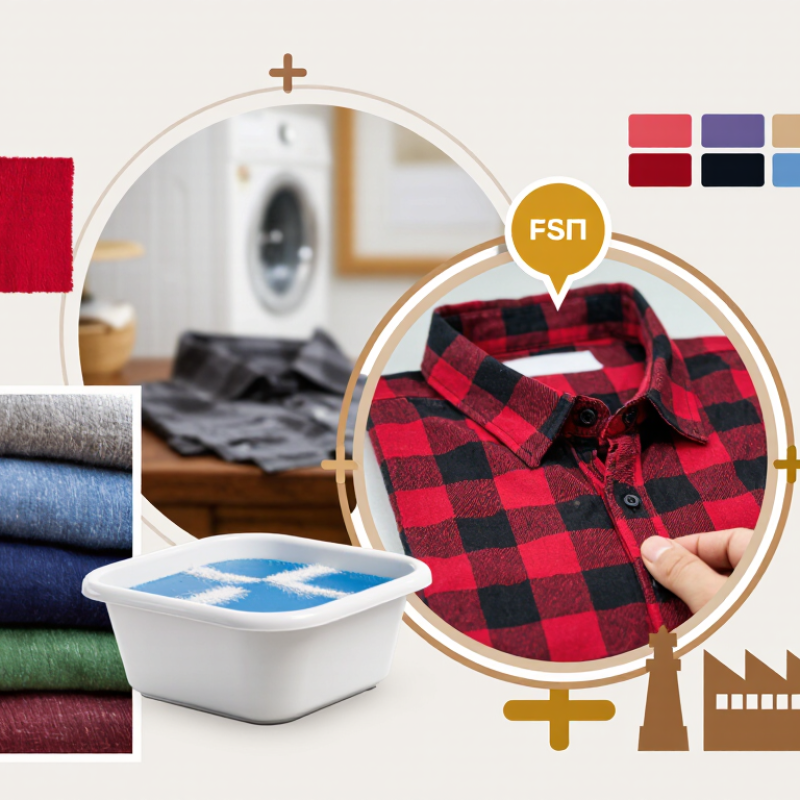
Flannel is not a fiber. It is a soft woven fabric made from cotton, wool, or blended yarns. Its warmth comes from a brushed surface that traps air near the skin. Shirts, overshirts, trousers, and sleepwear commonly use flannel. Weight changes the wearing experience. Light cotton flannel suits mild weather, while dense wool flannel feels more protective. The name alone does not guarantee quality.
Making flannel begins with fiber preparation and yarn spinning. Manufacturers may dye the yarns before weaving to create clear checks or stripes. They can also dye the finished fabric in one color. The fabric is usually woven with a plain or twill structure. After weaving, metal brushes lift tiny fibers from the surface. Some fabrics are brushed on both sides. Shearing then removes uneven fibers and improves the hand feel. Washing, drying, and shrinkage control follow. Small differences matter.
For sourcing, request the fiber composition, fabric weight, weave type, and brushing details. Ask for shrinkage and colorfastness test results. A sample should be washed before approval. Check its softness, surface shedding, seam behavior, and pattern alignment. Flannel can feel luxurious at first but pill after repeated friction. This is easy to overlook. A practical mistake is judging quality only by touch. I have learned that appearance may hide weak yarns or unstable finishing. Reliable suppliers should explain these limits clearly and provide consistent sample records.
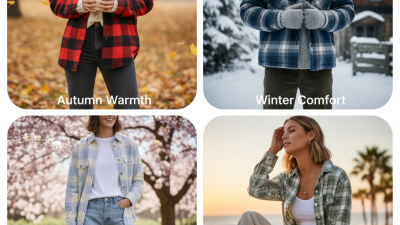
Flannel is a woven fabric with a softly brushed surface, not a fixed fiber type. Cotton flannel feels breathable and familiar, while wool flannel offers better warmth and shape retention. Blended fibers can reduce cost, but they may change softness, pilling, and washing behavior. Check the fiber percentages before ordering samples.
The weave affects performance. Plain weave usually feels light and stable, making it suitable for shirts and sleepwear. Twill flannel has a diagonal structure and often provides greater durability. Weight matters more than appearance. Lightweight flannel, around 120–180 gsm, suits mild spring days and indoor layering. Midweight fabric, about 180–260 gsm, works well for autumn shirts, overshirts, and cool evenings. Heavy flannel can exceed 260 gsm. It feels warmer, but may become bulky under a jacket.
Test it in real conditions.
When sourcing, request a sample with fabric weight, fiber content, width, shrinkage, and brushing details. Rub the surface with a dark cloth to check loose fibers. Wash one sample before approval. I have seen attractive flannel lose softness after a single careless wash. That mistake is avoidable, though supplier data is not always complete. Ask about colorfastness, pilling resistance, and production consistency across lots. For winter use, inspect the reverse side carefully; uneven brushing can create cold spots. For spring collections, lighter cloth and tighter construction may improve comfort without making the garment feel thin.
Flannel is a woven fabric with a brushed surface, usually made from cotton, wool, or blended fibers. Its raised nap traps warm air, giving shirts and overshirts a soft, practical feel. Common flannel garments include button-up shirts, pajamas, jackets, trousers, scarves, and lightweight blankets. Shirts often use 150–220 GSM fabric for everyday layering. Heavier overshirts may exceed 250 GSM and resist cooler outdoor conditions. Pajamas need a softer finish, while work trousers require stronger seams and abrasion resistance.
Function depends on construction, not appearance alone. A cotton-polyester blend can dry faster than pure cotton, but it may feel less breathable. Brushed fabric also needs careful washing because excessive heat can increase shrinkage and flatten the nap. Textile Exchange’s Materials Market Report 2024 recorded global fiber production at about 124 million tonnes in 2023; polyester represented roughly 57%, while cotton accounted for about 19%. This supports wider blend choices during sourcing, though sustainability claims still require verification. The European Commission’s textile sustainability work also stresses durability and reliable product information. Ask suppliers for GSM records, fiber percentages, shrinkage results, colorfastness tests, and production samples. I would not trust a warm-looking sample alone. Check the reverse side, seam strength, and pilling after repeated washing. Small checks matter.
Common flannel garments use brushed woven fabric for a soft hand feel, warmth, and everyday durability. Fabric weight is a practical sourcing indicator: heavier constructions generally provide more insulation and structure, while lighter fabrics offer easier layering and better breathability.
Lightweight to medium construction, suitable for layering, casual wear, and moderate warmth.
A denser option with more structure and insulation for use over T-shirts or knitwear.
Heavier fabric improves wind resistance, durability, and warmth, especially when combined with lining.
Very heavy flannel provides maximum warmth and a substantial hand feel for cold-weather use.
The chart uses representative fabric weights in grams per square metre (g/m²), based on common flannel garment constructions. Actual weight varies according to fiber content, weave, brushing, yarn size, and finishing process. When sourcing, confirm fabric weight, fiber composition, shrinkage, colorfastness, pilling resistance, and sampling standards with the supplier.
Flannel is usually a woven fabric brushed for softness, commonly made from cotton or a cotton blend. Textile Exchange’s Materials Market Report 2024 recorded global fiber production at 124 million tonnes in 2023, with cotton representing about 19 percent. That scale makes fiber selection important when sourcing. Ask for fiber percentages, fabric weight, yarn type, and brushing details. A dense surface should feel warm, but excessive fuzz may hide weak fibers. Feel the inside.
Quality needs practical testing, not attractive photographs. Check GSM, seam strength, shrinkage, pilling, and colorfastness after washing. AATCC TM61 provides an accelerated laundering method for colorfastness evaluation, while ASTM D5034 measures textile breaking strength. These tests do not replace real wear. I once judged a heavier flannel as superior, but its loose weave stretched at the elbows. Weight is only a clue. Request test reports from an independent laboratory when order quantities are significant.
Fit should be evaluated through actual garment measurements, including chest, shoulder, sleeve, body length, and cuff opening. Compare them with a reference sample, then allow for wash shrinkage. A relaxed shirt needs room across the back without producing excess fabric near the armhole. Performance also depends on airflow, moisture handling, and recovery after movement. ASTM D737 can help assess air permeability, although the result will not predict every climate. Test it wet. A realistic sourcing review should record failures, because one small shrinkage mistake can affect an entire production run.
Flannel is a woven fabric known for its soft, brushed surface and comfortable warmth. It is commonly made from cotton, wool, or blended fibers. The brushing process raises tiny fibers, creating a gentle feel against the skin. However, softness alone does not prove quality. During sampling, I check fabric weight, weave density, color consistency, and shrinkage after washing. A lightweight shirt may feel pleasant, yet lose its shape quickly.
Start sourcing by writing a clear product brief. Include fabric composition, weight, colors, size range, stitching details, packaging, and target quantity. Contact several qualified suppliers and request business information, production experience, and recent sample photos. Ask for a physical sample, not only digital images. Inspect the collar, cuffs, seams, buttons, and inner finishing under natural light. Measure the sample before and after washing. Small differences matter.
Request a quotation that separates fabric, labor, packaging, shipping, and sampling costs. Confirm lead times and payment conditions in writing. For larger orders, arrange pre-production approval and independent quality checks. Inspect random pieces for loose threads, uneven brushing, stains, incorrect labels, and measurement errors. Keep a signed specification sheet for every revision. My early sourcing mistake was trusting a polished sample too quickly. The final batch felt rougher. Supplier evaluation needs evidence, repeated checks, and honest records.
A practical sourcing reference covering flannel construction, fabric specifications, supplier evaluation, quality control, and order planning.
| Step | Sourcing Dimension | What It Means | Recommended Specification or Check | Why It Matters | Typical Sourcing Output |
|---|---|---|---|---|---|
| 1 | Product Definition | Flannel is a woven fabric commonly made from cotton or wool and finished with a soft raised surface. | Define the product as a shirt, overshirt, jacket, trousers, sleepwear, or accessory before requesting quotations. | Different garment categories require different fabric weights, construction methods, and performance standards. | Clear product brief with garment type, target market, season, and intended use. |
| 2 | Fiber Composition | Common options include cotton, wool, cotton-wool blends, and synthetic blends. | Request the exact fiber percentages and ensure the composition matches the product specification and care label. | Fiber content affects warmth, softness, breathability, durability, shrinkage, price, and care requirements. | Verified fiber-content specification and labeling requirements. |
| 3 | Fabric Construction | Flannel may use plain or twill weaving. Twill constructions often provide a distinctive diagonal surface and good durability. | Specify the weave, yarn type, fabric width, and whether the fabric is single-sided or double-sided brushed. | Construction influences drape, strength, surface appearance, comfort, and garment longevity. | Technical fabric sheet approved before sampling. |
| 4 | Fabric Weight | Fabric weight is usually expressed in grams per square meter, or GSM. | Lightweight flannel is often suitable for shirts, while medium and heavier weights are more suitable for overshirts, jackets, or cold-weather products. Confirm the exact GSM tolerance with the supplier. | Weight affects warmth, structure, shipping cost, production yield, and seasonal suitability. | Approved GSM range, with an agreed testing tolerance. |
| 5 | Brushing and Surface Finish | Brushing raises fibers on the fabric surface to create the characteristic soft hand feel. | Specify the brushing direction, number of brushed sides, surface density, softness target, and resistance to excessive pilling. | Inconsistent brushing can cause shade variation, uneven hand feel, fiber shedding, or premature pilling. | Approved hand-feel standard and physical reference sample. |
| 6 | Color and Pattern | Flannel clothing is frequently produced in solids, checks, plaids, stripes, and yarn-dyed patterns. | Confirm color references, yarn-dyed or piece-dyed construction, pattern repeat, stripe alignment, and colorfastness requirements. | Pattern matching and color consistency strongly affect the finished garment’s appearance and perceived quality. | Approved color standard, artwork, pattern repeat, and lab-dip process. |
| 7 | Pre-Shrinkage and Dimensional Stability | Cotton flannel can shrink during washing if it is not properly stabilized. | Request pre-shrinking or compacting where appropriate, and define maximum length and width shrinkage after the required wash test. | Dimensional instability can cause poor fit, twisted seams, and customer complaints after laundering. | Wash-test report with agreed shrinkage limits and measurement method. |
| 8 | Supplier Pre-Qualification | A suitable supplier should demonstrate relevant fabric, garment, finishing, and quality-control capabilities. | Review production capacity, equipment, sample capability, quality procedures, compliance documentation, lead time, and export experience. | Pre-qualification reduces the risk of inconsistent quality, missed deadlines, and communication problems. | Supplier comparison matrix based on objective criteria rather than price alone. |
| 9 | Sample Development | Samples confirm whether the fabric, pattern, fit, construction, and finishing meet the intended requirements. | Order a fabric swatch, color sample, fit sample, size-set sample, and pre-production sample when appropriate. | Early sampling identifies problems before bulk fabric and labor are committed. | Signed sample approval with documented revisions and measurement comments. |
| 10 | Garment Construction | Flannel garments require attention to seam strength, pattern matching, button attachment, hems, collars, cuffs, and pocket placement. | Specify seam type, stitch density, seam allowance, reinforcement points, button security, and acceptable pattern-matching tolerance. | Construction details influence durability, fit, comfort, and visual consistency. | Approved technical package with construction sketches and measurement chart. |
| 11 | Testing and Inspection | Testing verifies that the material and finished garment perform as specified. | Consider tests for fiber composition, GSM, dimensional stability, colorfastness, pilling, seam strength, appearance after laundering, and needle or metal safety where relevant. | Testing provides measurable evidence of quality and helps meet destination-market requirements. | Inspection checklist and test reports linked to the approved specification. |
| 12 | Order Quantity and Costing | Price is influenced by fabric composition, GSM, brushing, pattern complexity, trims, order quantity, packaging, and shipping terms. | Request a detailed quotation showing fabric cost, cut-and-sew cost, trims, packaging, sampling charges, minimum order quantity, lead time, and delivery terms. | Itemized costing makes supplier comparisons more accurate and prevents hidden charges. | Comparable quotation sheet and total landed-cost estimate. |
| 13 | Bulk Production Control | Bulk production should follow the same approved standards used during sampling. | Use a sealed reference sample, approved color standard, inline inspection, measurement checks, and final random inspection. | Continuous control helps detect fabric, shade, workmanship, and sizing problems before shipment. | Production records, inspection reports, corrective actions, and shipment release approval. |
| 14 | Packaging and Care Information | Flannel clothing may require care instructions related to washing, drying, ironing, and potential shrinkage. | Confirm fiber-based care instructions, folding method, carton quantity, size stickers, garment labels, and packaging materials. | Correct care information protects the garment and reduces misuse-related returns. | Approved label artwork, packaging specification, and carton-marking guide. |
Key sourcing principle: Always approve the fabric hand feel, color, construction, measurements, wash performance, and packaging details in writing before bulk production begins.