What is the Best Winter Coats for Cold Weather?
As winter approaches, choosing the right winter coats becomes crucial. A recent survey by Statista reveals that 70% of consumers prioritize warmth when selecting winter outerwear. This highlights the importance of insulation materials and construction in effective winter coats.
In choosing these coats, consumers often overlook fit and style. However, a well-fitted coat can significantly enhance warmth and comfort. The market has evolved, with brands investing in technology to improve thermal efficiency. For instance, down insulation offers incredible warmth-to-weight ratios. Yet, not all winter coats are created equal.
Quality varies greatly across brands and styles. Consumers should examine features like windproofing and breathability. Investing in a reliable winter coat is essential. A coat that lacks these qualities can leave you cold and uncomfortable. Understanding what makes the best winter coats will empower consumers to make informed decisions.
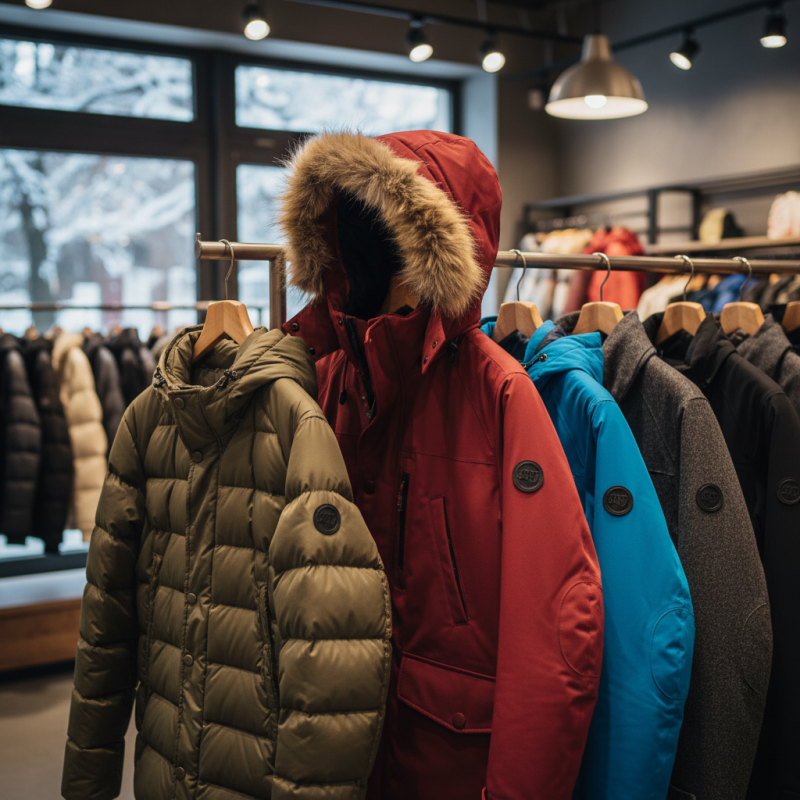
Factors to Consider When Choosing a Winter Coat for Cold Weather
When selecting a winter coat, consider insulation materials carefully. Options like down and synthetic fibers each have their pros and cons. Down is lightweight and warm, but it loses its insulating properties when wet. Synthetic materials, on the other hand, maintain warmth even when damp. Choose based on your local weather patterns. If it’s often rainy or snowy, synthetic might be the better option.
Another aspect to look at is the coat's length and fit. Longer coats provide more warmth, especially in harsh winds. However, they might restrict movement. Think about your lifestyle and daily activities. If you often commute or engage in outdoor sports, a well-fitted, shorter style could serve you better. Make sure the sleeves allow for layering, too. That flexibility can enhance overall comfort during those cold months.
Consider pockets, hoods, and additional features as well. A coat with a well-designed hood can shield you from wind and snow. Deep pockets are great for storing essentials like gloves and hats. Reflect on what features will enhance your daily life. Sometimes, an overly complicated design might lead to friction instead of ease. Choose wisely; a coat should serve its purpose without becoming a hassle.
What is the Best Winter Coats for Cold Weather? - Factors to Consider When Choosing a Winter Coat for Cold Weather
| Feature |
Description |
Importance Level |
| Insulation Type |
Down, synthetic, fleece, or wool |
High |
| Water Resistance |
Ability to repel water for wet conditions |
Medium |
| Breathability |
Allows moisture to escape to prevent overheating |
High |
| Weight |
Lightweight for ease of movement vs. heavy for more warmth |
Medium |
| Length |
Waist-length, hip-length, or full-length for warmth |
Medium |
| Fit |
Regular, slim, or relaxed fit for layering options |
High |
| Style |
Puffer, peacoat, parka, or trench |
Low |
| Pockets |
Internal, external, or hidden pockets for convenience |
Medium |
Types of Insulation Used in Winter Coats: Down vs. Synthetic
When selecting winter coats, understanding insulation types is crucial.
Down and synthetic materials are the most common choices. Down insulation is lightweight and offers excellent warmth.
According to a report by the Outdoor Industry Association, down can provide a warmth-to-weight ratio that is hard to match.
However, down loses insulation properties when wet. This limitation poses a risk in humid or rainy conditions.
On the other hand, Synthetic insulation, often made from polyester fibers, performs well in damp environments.
It retains warmth even when wet. The American Association of Textile Chemists and Colorists states that synthetic materials have improved significantly over the years.
They now closely mimic the softness and loft of down while being more affordable.
Nevertheless, many people find synthetic insulation less compressible and bulkier than down.
Different climates require different choices. In extremely cold areas, down coats may be ideal for their warmth.
Yet, for unpredictable weather, synthetic options offer versatility. This choice often depends on personal needs, lifestyle, and environmental factors.
Being aware of these distinctions helps in making the best decision for winter wear.
Key Features of High-Quality Winter Coats for Maximum Warmth
When searching for winter coats that provide optimal warmth, focusing on key features is essential. Insulation is a critical aspect. High-quality winter coats typically use down or synthetic materials. According to industry data, down insulation provides superior warmth-to-weight ratios. Synthetic options offer excellent moisture resistance. For extremely cold climates, coats with at least 700 fill-power down are recommended.
Another vital feature is the coat's shell material. A waterproof and breathable outer layer can protect against harsh weather conditions. Many experts suggest fabrics like Gore-Tex or similar technologies. These materials allow sweat to escape while keeping cold air out. A study from the Outdoor Industry Association found that 75% of consumers prioritize performance in extreme weather when choosing winter jackets.
Moreover, the fit of the coat matters. Coats should allow for layering without being too loose. A snug fit helps trap body heat. Additionally, features like adjustable cuffs and hoods can enhance warmth. Some studies emphasize usability in design, indicating that functional elements increase the likelihood of staying warm and comfortable outdoors. Reflecting on these aspects may help one realize that investing in the right coat is crucial for battling harsh winter weather effectively.
Comparison of Key Features in High-Quality Winter Coats
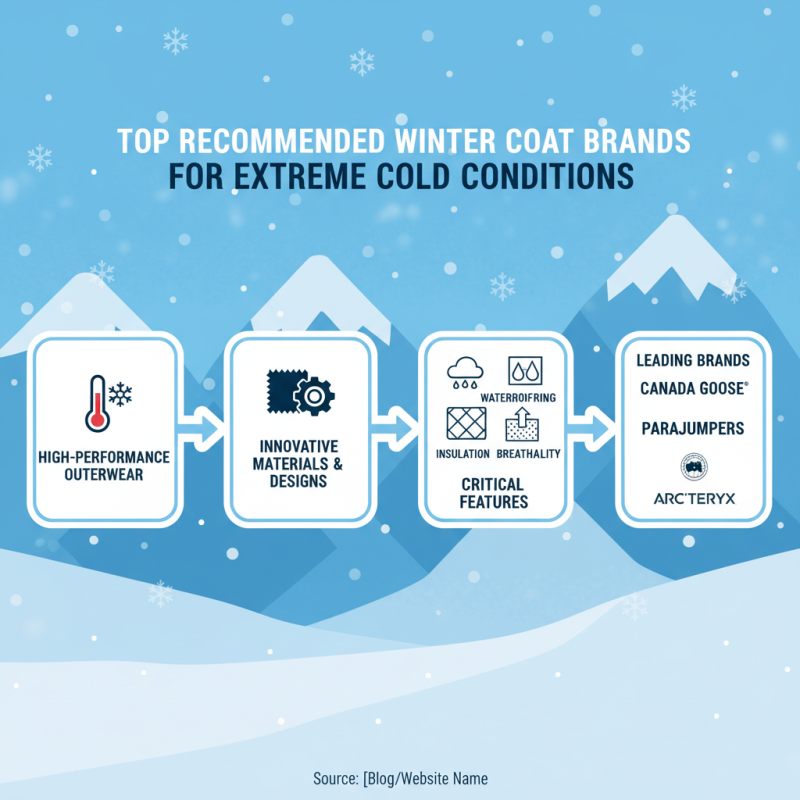
Top Recommended Winter Coat Brands for Extreme Cold Conditions
When it comes to choosing winter coats for extreme cold conditions, certain brands consistently stand out. Their expertise in creating high-performance outerwear is evident. These brands focus on innovative materials and designs. They understand the importance of insulation, waterproofing, and breathability.
Consider coats that feature down insulation. They offer exceptional warmth without adding bulk. Look for options with a windproof shell to block chilling gusts. Many of these top brands prioritize comfort and adaptability. Some coats even have removable linings for varying temperatures. It’s essential to choose jackets that suit your activities. Whether you're hiking or commuting, the right coat makes a difference.
Accessories can enhance your winter experience. Hoods, adjustable cuffs, and pockets matter too. A great coat may not have every feature, but it should protect you. Not all brands are suitable for everyone. Each person has unique needs. Personal comfort should be your main focus. A coat should allow freedom of movement while ensuring warmth. It’s about finding a balance between style and function.

 +86 15968093247
 CONTACT NUMBER
 CONTACT e-mail