inquiry
Leave Your Message

What Makes Velvet Fabric a Top Choice for Global Buyers?

Velvet fabric has emerged as a staple in the global textile market. Its luxurious texture and rich aesthetic make it a preferred choice for designers and manufacturers alike. Renowned textile expert Dr. Emma Caldwell notes, "Velvet fabric is not just about luxury; it's about versatility and innovation." This reflects the fabric's ability to adapt to various design styles and consumer preferences.

The increasing demand for velvet fabric can be attributed to its appealing characteristics. Its soft feel and elegant appearance cater to both high-end and casual settings. Moreover, velvet is available in a plethora of colors and patterns, allowing for endless design possibilities. However, the market also faces challenges such as the environmental impact of production and care.

Choosing velvet fabric requires careful consideration. It is essential to understand the different types, such as crushed or silk velvet. Each type has distinct qualities and specific use cases. While the allure of velvet is undeniable, potential buyers must weigh the pros and cons before making a decision. This often leads to reflection on the balance between aesthetic appeal and practicality.
What Makes Velvet Fabric a Top Choice for Global Buyers?

The History and Evolution of Velvet Fabric in the Global Market

Velvet fabric boasts a rich history that intertwines art and luxury. Its origins trace back to the Middle Ages, where it symbolized status and wealth. Initially woven from silk, velvet transformed over centuries. As techniques improved, manufacturers began to experiment with different fibers like cotton and synthetic blends. This evolution made velvet more accessible, broadening its appeal.

According to a report by Market Research Future, the global velvet fabric market is projected to grow significantly, reaching around $1.5 billion by 2025. This growth signifies a shift in consumer preferences. Buyers seek sustainable and versatile fabric options. The rise of eco-friendly textiles has spurred velvet's resurgence. Designers now incorporate innovative patterns and textures, making velvet a top choice for modern décor and fashion.

Despite its luxurious appeal, the velvet market faces challenges. Sourcing high-quality raw materials can be difficult. Maintaining consistency in texture and color often requires meticulous quality control. Brands must balance elegance with durability. This ongoing journey reflects an industry that strives to meet the changing demands of consumers while honoring its historical roots.
Key Characteristics that Define Velvet Quality and Appeal

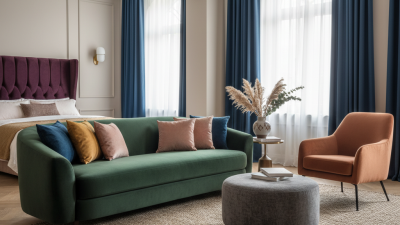
Velvet fabric stands out due to its unique characteristics. Its soft texture evokes a sense of luxury and comfort, making it a favorite for many buyers worldwide. The fabric's rich depth of color adds visual interest, enhancing any design. Velvet is made from various fibers, including silk, cotton, and synthetic materials. Each type offers distinct attributes, affecting the overall quality.

Durability plays a key role in velvet's appeal. High-quality velvet resists wear and tear, maintaining its aesthetic over time. However, not all velvet is created equal. Inferior options may wear out quickly, leading to buyer disappointment. Care is essential, as some velvets can be challenging to clean. This factor can deter potential buyers who seek low-maintenance options.

The play of light on velvet’s surface creates an exquisite sheen, captivating attention. This characteristic makes it versatile for upholstery, clothing, and accessories. Despite its many charms, velvet can sometimes be seen as formal. Buyers seeking a casual look may hesitate. The balance between texture and functionality is crucial, prompting reflection on personal preferences. Choosing the right velvet involves understanding these subtleties.

Diverse Applications of Velvet in Fashion and Interior Design

Velvet fabric has become increasingly popular in both fashion and interior design. Its rich texture and luxurious feel make it a favorite among designers and buyers alike. According to a recent market report, the global velvet market is projected to grow by 4.5% annually through 2025. This trend underlines the material's diverse applications across various sectors.

In fashion, velvet adds depth and sophistication to garments. Designers often choose it for evening wear and haute couture. The fabric drapes beautifully, elevating the aesthetic appeal of dresses and suits. For interior design, velvet's versatility shines through in upholstery, curtains, and decorative pillows. A study found that 68% of interior designers favor velvet for its ability to enhance the coziness of a space. Yet, the maintenance of velvet can be challenging, demanding careful cleaning to avoid damage.

Despite its popularity, some buyers remain hesitant. Velvet can be prone to wear and tear, losing its luster over time. This is something consumers should consider before making a substantial investment. The fabric's heat sensitivity also raises concerns in warmer climates. Understanding these factors can help buyers make more informed choices when selecting velvet for their needs.

What Makes Velvet Fabric a Top Choice for Global Buyers? - Diverse Applications of Velvet in Fashion and Interior Design

Application Area Description Popular Variants Key Characteristics
Fashion Used in clothing such as dresses, suits, and accessories due to its luxurious look and feel. Silk Velvet, Cotton Velvet, Polyester Velvet Soft texture, rich color depth, and elegant draping.
Interior Design Used for upholstery, curtains, cushions, and wall coverings to add a touch of opulence. Crushed Velvet, Stretch Velvet, Printed Velvet Durability, sound absorption, and variety of patterns.
Luxury Goods Utilized in high-end products such as bags, shoes, and luxury textiles. Satin Velvet, Embroidered Velvet Luxurious appearance, longevity, and often used in high-fashion settings.
Theater & Performance Used in costumes and stage backdrops to create dramatic visuals. Theatrical Velvet, Stage Velvet Rich color saturation, perfect for lighting, and dramatic effect.
Bedding Incorporated in bedspreads, pillows, and throws for comfort and style. Velvet Quilts, Velvet Pillowcases Softness, warmth, and an inviting texture.

Sustainability and Ethical Considerations in Velvet Production

What Makes Velvet Fabric a Top Choice for Global Buyers?

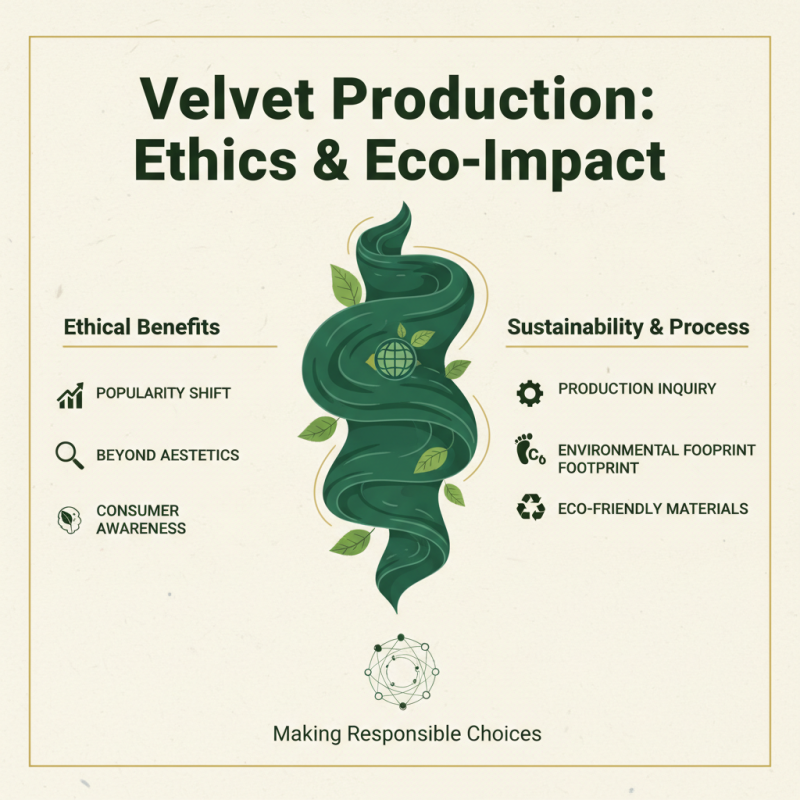
Velvet fabric has gained popularity in recent years, particularly due to its perceived ethical benefits. Many buyers are now looking beyond aesthetics. They inquire about the processes behind velvet production and its environmental impact. This shift towards sustainability reflects growing consumer awareness about ecological footprints.

The production of velvet often relies on both synthetic and natural fibers. While synthetic options can reduce resource use, they raise concerns about microplastics. Those who prefer natural fibers, like silk or cotton, should question farming practices. Ethical concerns also appear in labor practices. Ensuring fair wages and safe working conditions is essential. However, not all producers meet these standards. Transparency is crucial in confirming ethical practices.

Buyers are beginning to demand more information about their fabric choices. They want assurance that their purchases support sustainable practices. Velvet producers must adapt to this changing market. They need to prioritize both quality and responsibility. The journey towards sustainable velvet is ongoing. Each step taken can lead to a more ethical industry, but challenges remain. Conscious consumerism plays a vital role in shaping the future of velvet.

The Future of Velvet: Trends and Innovations in Fabric Technology

What Makes Velvet Fabric a Top Choice for Global Buyers?

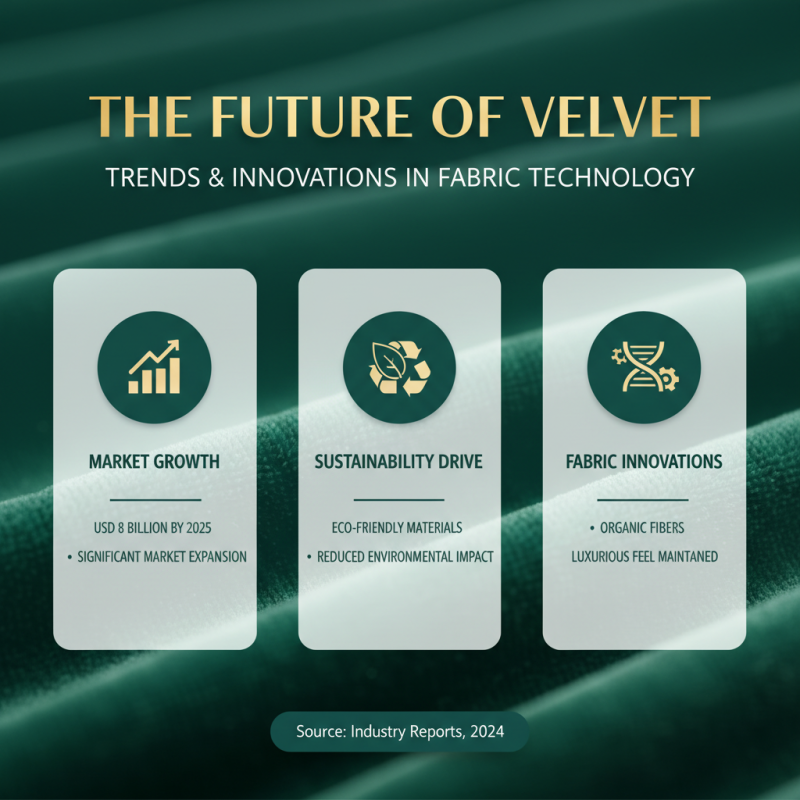
The future of velvet fabric looks promising, driven by trends in sustainability and innovation. Recent reports predict a significant growth in the velvet market, expected to reach USD 8 billion by 2025. This surge correlates with rising consumer demand for eco-friendly materials. Velvet manufacturers are now focusing on using organic fibers. These materials reduce environmental impact while maintaining the luxurious feel people love.

Innovation also plays a crucial role in velvet's evolution. New technologies have emerged, such as digital printing and advanced dyeing processes, which enhance color vibrancy. A survey indicated that 68% of fabric buyers prioritize unique designs, pushing manufacturers to adapt. Collaborative efforts with designers often yield one-of-a-kind pieces, appealing to high-end markets.

However, challenges remain. The perception of velvet as a high-maintenance fabric might deter some buyers. Furthermore, not all velvet is created equal; variations in quality exist. Industry professionals must continue to address these concerns while promoting the benefits. Transparency in sourcing and production processes will gain importance as consumers become more discerning.