+86 15968093247


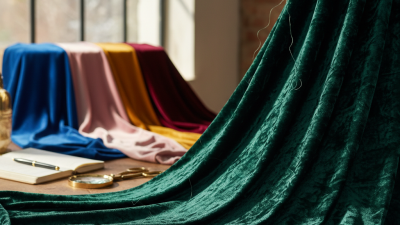
Choosing a fabric can shape the entire character of a project. Velvet Fabric offers depth, softness, and a distinctive visual finish that ordinary woven materials may not provide. Its dense pile catches light differently as the surface moves. A chair can appear deep emerald in one direction and softly green in another. That shifting effect creates instant atmosphere.
Experienced designers use velvet for upholstery, cushions, curtains, headboards, and selected clothing pieces. Its plush surface feels comfortable against the hand and adds warmth to structured interiors. Quality varies, however. Fiber content, pile density, backing strength, and manufacturing methods all affect performance. A beautiful sample may still wear poorly in a busy room. That detail deserves attention.
Velvet Fabric can also support practical design decisions when chosen carefully. Performance-treated options may resist everyday marks, while cotton or silk blends offer different levels of softness, shine, and durability. Always request a larger sample before purchasing. Small swatches can hide shading, crushing, or color changes under natural light. Test the fabric where possible. It may seem fussy, but regret is expensive.
Maintenance should influence the decision from the beginning. Velvet often needs gentle brushing, careful vacuuming, and protection from prolonged moisture. Some types show pressure marks more easily than others. This is not necessarily a flaw, but it can challenge busy households. When the texture, color, and intended use align, Velvet Fabric becomes more than decoration. It becomes a tactile design choice with lasting visual impact.
Why Choose Velvet Fabric for Your Next Project?
What Is Velvet Fabric?
Velvet is a woven fabric with a raised pile on its surface. Manufacturers create this texture by weaving extra yarns, then cutting the loops evenly. The result feels soft, dense, and slightly warm under the hand. Light moves across the pile, creating velvet’s familiar shifting sheen. Its base may contain cotton, silk, rayon, polyester, or blended fibers. Therefore, “velvet” describes the surface structure, not one specific material.
The fabric’s performance depends on its fiber content and pile density. A cotton velvet can feel breathable and substantial, while polyester velvet often resists wrinkles better. A 2024 Textile Exchange report recorded 124 million tonnes of global fiber production in 2023. It projects production may reach 160 million tonnes by 2030. This figure makes fiber selection worth careful attention, even for a small design project. Velvet looks luxurious. It is not automatically sustainable.
According to the United Nations Environment Programme, textiles contribute about 2–8% of global greenhouse gas emissions. Care choices matter. Use a gentle cycle only when the care label permits it, and avoid crushing the pile under heavy storage. Steam can refresh velvet, but direct ironing may flatten its surface. I have found that color samples can mislead, because velvet changes shade with touch and direction. That small detail is easy to miss. A physical swatch remains the safer decision before upholstery, curtains, or clothing production.
Velvet begins as a carefully engineered pile fabric, not simply a shiny surface. In traditional weaving, two fabric layers are formed at the same time. Vertical pile yarns connect them like small bridges. A cutting blade then separates the layers, creating two velvet fabrics with raised surfaces.
The pile may use silk, cotton, rayon, polyester, or blended fibers. Fiber choice affects softness, shine, strength, and care requirements. After cutting, workers brush, shear, dye, and finish the fabric. These steps help align the pile and create its familiar light-reflecting nap. Still, no process is perfectly uniform. Small changes in yarn tension can produce shade differences or visible marks. I have found that velvet often looks different when viewed from opposite directions. That detail matters during cutting and installation.
Tips: Check the nap before cutting. Keep every pattern piece facing the same way. Test pressing on a fabric scrap first, because high heat can flatten the pile. A soft brush can restore minor pressure marks, but deep damage may remain. For upholstery or clothing, inspect the backing and pile density carefully. Dense velvet usually feels richer, yet it can be harder to sew. I sometimes prefer a slightly less perfect surface because it reveals the fabric’s woven character. That choice may not suit every project.
Why Choose Velvet Fabric for Your Next Project?
Velvet stands out through its dense, raised pile and soft, light-catching surface. In my workshop, I notice how one fabric changes color as the nap shifts. This depth gives cushions, curtains, and garments a richer visual character. Velvet also feels warmer and more substantial than many flat-woven fabrics. Its texture creates comfort, but it can reveal fingerprints, pressure marks, and dust.
Quality depends on more than softness. Check the pile direction, backing strength, and recovery after gentle pressing. A tightly woven velvet usually handles regular use better, though no velvet is completely resistant to crushing. I once selected a fabric for a seat without testing its nap. The result looked uneven after several days. That mistake reminded me that appearance samples cannot replace practical testing. Fiber content also matters, since cleaning methods and long-term wear can differ considerably.
Tips: Brush the pile in one direction before judging its color. Test a hidden area with your planned cleaning method. For upholstery, sit on a sample and inspect it under direct light. Avoid placing velvet beside sharp edges or constant friction. Leave room for small flaws; handmade cutting and natural light can expose differences you did not expect.
Velvet Fabric for Practical, Beautiful Projects
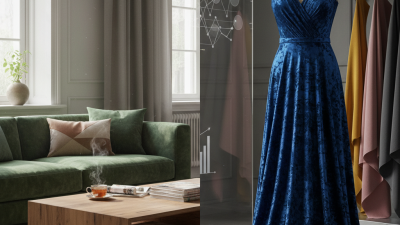
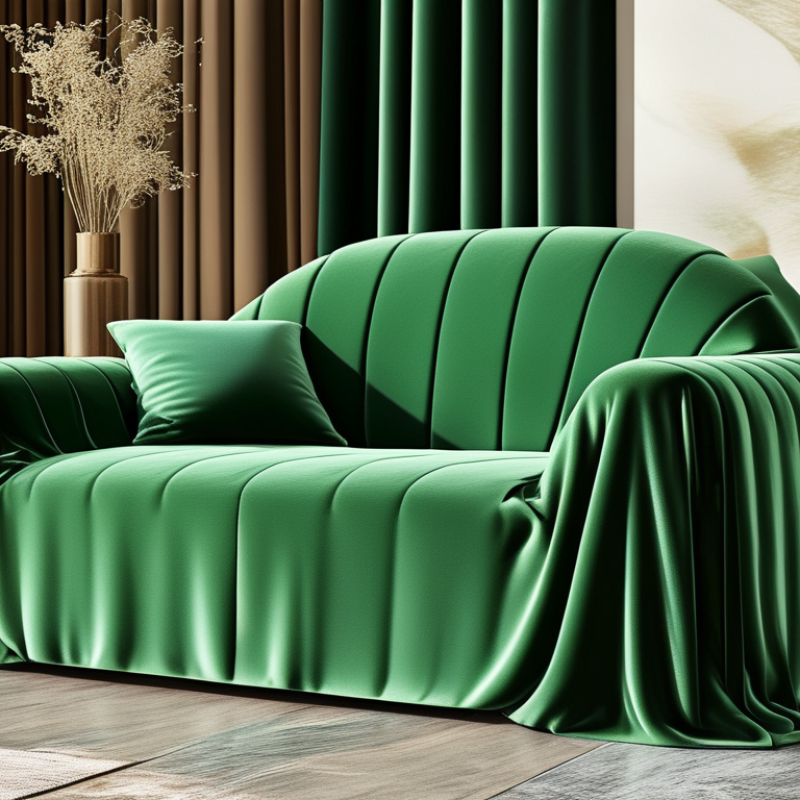
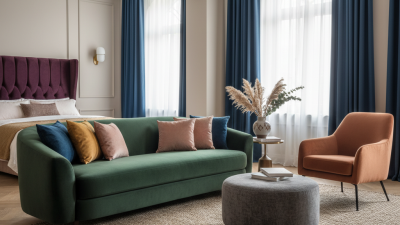
Velvet fabric works well wherever texture and visual depth matter. In living rooms, it can cover sofas, accent chairs, ottomans, and decorative cushions. Its soft pile catches light differently across the surface. This creates a rich appearance, even in simple furniture shapes.
It also suits curtains, bed headboards, bench seating, and wall panels. Velvet curtains can soften a room while reducing harsh light. A velvet headboard adds comfort and a warmer bedroom atmosphere. For smaller projects, consider jewelry boxes, lampshades, handbags, or statement sleeves. Choose upholstery-grade velvet for furniture. Apparel velvet may wear quickly under daily use. I once underestimated this difference, and the fabric developed flattened areas sooner than expected. That mistake changed how I check fabric specifications.
Tips: Test a sample under daylight and warm lighting. Rub it gently to observe pile direction and color changes. Check the fiber content, cleaning instructions, and abrasion rating before ordering. For seating, select a durable construction with stable backing. Keep velvet away from rough surfaces and sharp hardware. Small imperfections can appear after cutting, so order extra fabric. For commercial interiors, confirm relevant safety requirements with a qualified supplier.
Velvet rewards careful selection. It is a pile fabric, not a single fiber, so fiber content matters. Polyester velvet usually offers strong color stability and easier maintenance. Silk or cotton velvet feels richer, but it may mark, crush, or shrink more easily. Check the backing, pile density, and seam behavior under bright light. A dense, even pile should recover after gentle brushing.
Textile Exchange’s Materials Market Report 2024 estimates global fiber production reached 124 million tonnes in 2023. It may reach 160 million tonnes by 2030. This growth makes material choice more important, even for small projects. Ask for recycled-content evidence when sustainability matters. Still, recycled content alone does not guarantee durability or responsible production. I would request fiber composition and care information before ordering.
Tips: Test a hidden sample first. Press velvet from the reverse side, using steam carefully. Never flatten the pile with a hot iron. Vacuum furniture with a soft brush attachment. Blot spills quickly; rubbing can create a shiny patch. Follow the care label, but remember that labels can be incomplete. For valuable silk velvet, professional cleaning is safer. Store unused fabric rolled, not folded, because sharp creases may become permanent.
| Velvet Type | Typical Fiber Content | Key Characteristics | Best Project Uses | Care Guidance | Important Considerations |
|---|---|---|---|---|---|
| Cotton Velvet | Usually 100% cotton | Soft, breathable, matte-to-moderate sheen, with a substantial hand | Upholstery, cushions, curtains, jackets, skirts, and structured garments | Follow the care label; gentle washing may be possible, but professional cleaning is often safer for tailored or upholstered items | Can shrink or develop pressure marks if exposed to high heat, vigorous washing, or direct ironing |
| Silk Velvet | Usually silk pile with a silk ground | Very soft, fluid drape, deep luster, and a luxurious surface | Eveningwear, formal accessories, decorative panels, and luxury interiors | Professional dry cleaning is generally recommended; store loosely rolled or hung without crushing the pile | More sensitive to abrasion, moisture rings, crushing, and strong sunlight than many synthetic alternatives |
| Polyester Velvet | Usually 100% polyester | Consistent color, strong visual sheen, good dimensional stability, and broad availability | Upholstery, drapery, costumes, cushions, accessories, and apparel | Use the care label; wash gently when permitted, avoid high heat, and steam from the reverse side | May attract static and can show pile shading; prolonged heat may flatten or damage synthetic fibers |
| Viscose Velvet | Usually viscose pile blended with another fiber | Soft touch, rich luster, and fluid drape | Dresses, blouses, decorative cushions, and light interior accents | Professional cleaning is commonly preferred; avoid soaking, wringing, and direct heat | Wet handling can weaken or distort the fabric, especially when the construction is lightweight |
| Stretch Velvet | Velvet base with a small percentage of elastane or another stretch fiber | Flexible fit, comfortable movement, and a close-fitting silhouette | Dancewear, fitted dresses, tops, costumes, and body-conscious garments | Wash gently if permitted, avoid fabric softener, reshape while damp, and air-dry flat or on a suitable hanger | Repeated high heat can reduce elasticity; allow extra recovery and stretch testing during pattern planning |