Why Choose Velvet Fabric for Your Next Global Purchase?
Velvet fabric has become an increasingly popular choice for global purchases. Its luxurious feel and aesthetic appeal make it a favorite among designers and consumers alike. According to a report by MarketsandMarkets, the global upholstery market is projected to grow at a CAGR of 5.2% by 2025. Velvet, known for its rich texture, plays a significant role in this growth.
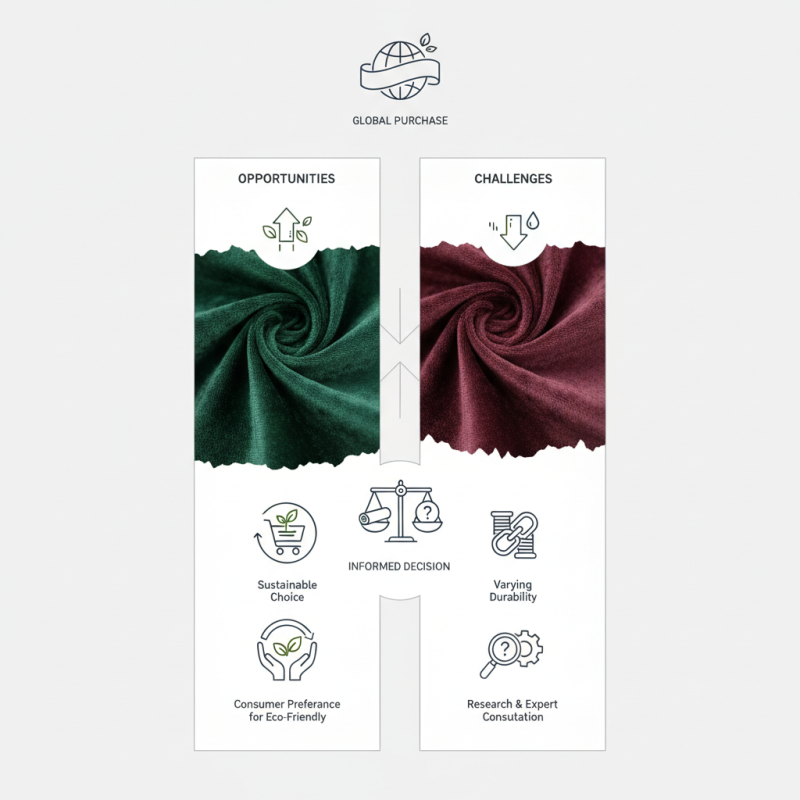
Furthermore, manufacturers and retailers are recognizing the value of sustainable materials. Velvet fabric can be made from natural fibers, such as cotton or silk, offering eco-friendly options. The Sustainable Furnishings Council highlights that over 70% of consumers prefer purchasing sustainable products. This trend suggests that velvet fabric aligns well with modern consumer preferences.
However, it’s important to consider the challenges with velvet. Its maintenance can be tricky, and its durability varies based on the fiber used. Not all velvet fabrics are equal, and some may not withstand heavy use. Prospective buyers should conduct thorough research and consult industry experts to ensure they make informed purchasing decisions. Velvet fabric presents both opportunities and challenges for businesses and consumers alike.
Benefits of Velvet Fabric in Global Market Trends
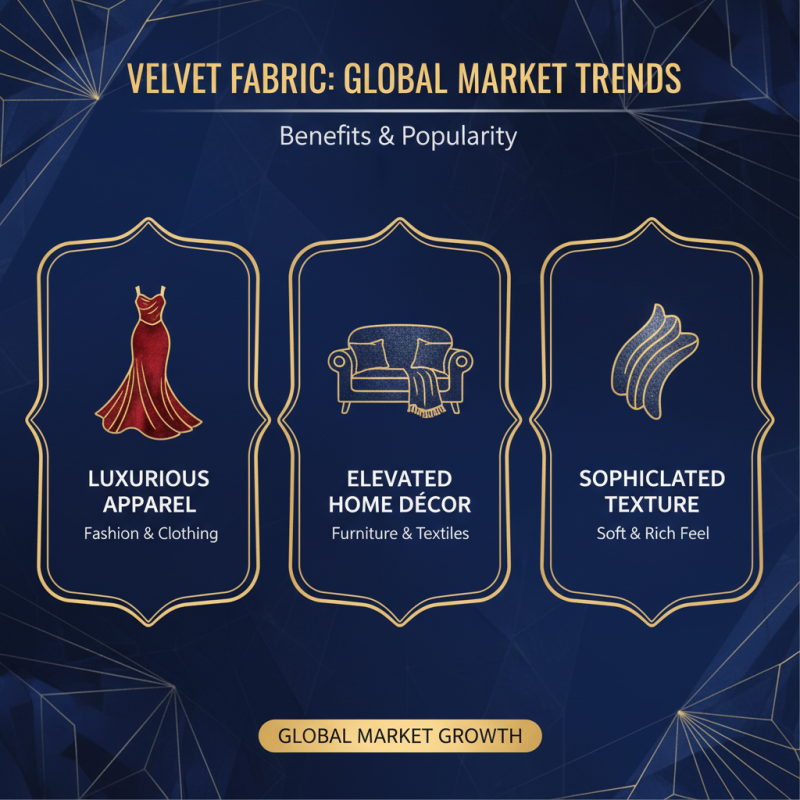
Velvet fabric is gaining popularity in the global market. Its luxurious appearance and soft texture make it appealing for various applications. Designers are increasingly turning to velvet for clothing and home décor. This fabric can elevate a simple design into something sophisticated and rich.
One of the main benefits of velvet is its versatility. It can be used in a variety of settings, from upscale fashion lines to cozy upholstery. Velvet can adapt to modern, vintage, or eclectic styles. Its ability to reflect light creates depth and warmth in any space. However, maintaining velvet can be challenging. It requires special care to keep it looking fresh and vibrant.
Sustainability is another key trend in the market. Consumers are becoming more conscious of their purchases. Velvet made from recycled materials is appealing to eco-friendly shoppers. This growing interest can drive demand in a competitive landscape. Nonetheless, sourcing sustainable fabric remains a complex task. Companies need to ensure the entire supply chain aligns with their values.
Sustainability and Eco-Friendliness of Velvet Materials
Choosing velvet fabric for your global purchase is a conscious decision. Its eco-friendliness places it ahead of many textiles. Velvet can be made from organic materials like cotton or silk. These sources greatly reduce harm to our planet. Sustainable velvet comes from mindful production methods. Less water, fewer chemicals are used.
The beauty of velvet lies in its durability. High-quality velvet withstands wear and tear. It lasts longer than many synthetic fabrics. This longevity translates to fewer replacements. However, the production of velvet may still have some challenges. For example, sourcing sustainable fibers is not always easy. Consumers must often research their options.
Moreover, it's important to acknowledge the environmental footprint of production processes. Not all velvet is created equal. The choice lies with the buyer to seek out the best. Velvet can contribute to a more sustainable future if chosen wisely. It’s a fabric that blends luxury with responsibility. When considering your next fabric purchase, think deeply about its impact.
Why Choose Velvet Fabric for Your Next Global Purchase? - Sustainability and Eco-Friendliness of Velvet Materials
| Aspect |
Description |
Environmental Impact |
| Material Source |
Made from sustainable sources, often including organic cotton or recycled fibers. |
Low environmental impact if sourced responsibly. |
| Production Process |
Utilizes eco-friendly dyeing methods and techniques. |
Reduced water pollution compared to conventional methods. |
| Durability |
High durability leading to long product lifespan. |
Less frequent replacements minimize waste. |
| Biodegradability |
Natural fibers are biodegradable after disposal. |
Reduced landfill impact over time. |
| Versatility |
Can be used for a variety of applications: clothing, upholstery, decor. |
Promotes reduced resource usage through versatile applications. |
Versatility of Velvet in Fashion and Home Decor
Velvet fabric has long been celebrated for its luxurious feel and striking appearance. In fashion, it has the ability to transform ordinary outfits into something memorable. A velvet dress can shimmer under lights, adding depth and texture. Similarly, a velvet jacket offers warmth without compromising style. The fabric is inviting and can flatter various body types, enhancing personal expression.
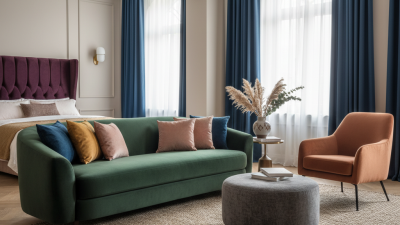
In home decor, velvet brings sophistication to any space. A velvet sofa feels plush and cozy, making it the perfect centerpiece for a living room. Cushions in vibrant hues can rejuvenate a dull area. The texture can soften harsh lines, creating a welcoming atmosphere. However, it does require maintenance; dust and stains can be challenging. Choosing velvet means committing to regular care.
Its versatility is striking, yet there are challenges. The thick fiber can retain heat, which might not suit every climate. It also tends to attract pet hair, posing another dilemma for pet owners. The decision to use velvet should consider these practical aspects. Nonetheless, when chosen wisely, velvet can elevate fashion and decor to new heights.
Comparative Analysis: Velvet vs. Other Fabrics
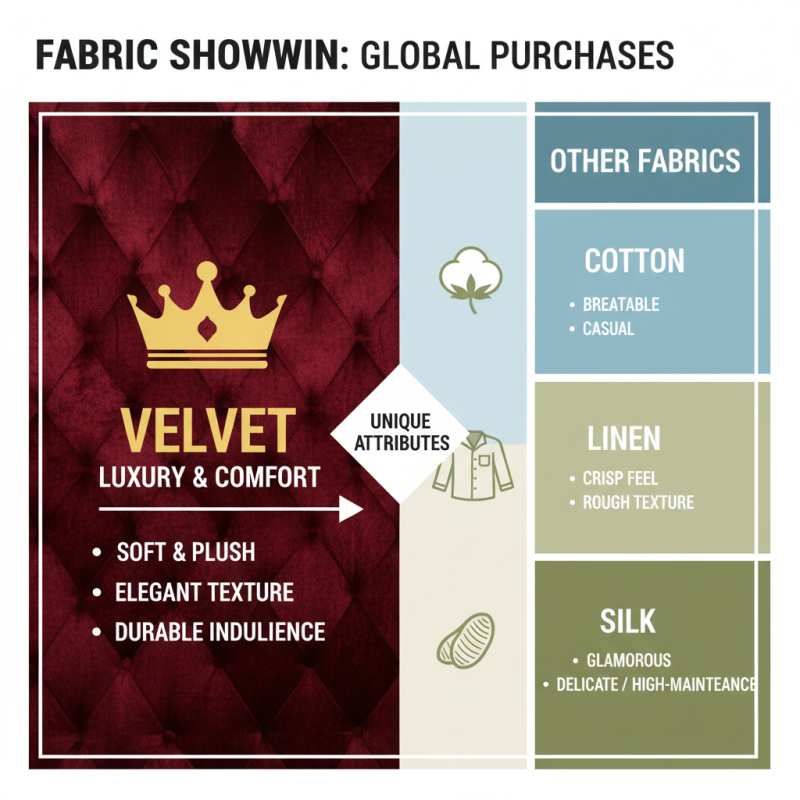
When considering fabrics for global purchases, velvet stands out due to its unique attributes. Velvet offers a luxurious texture that is hard to replicate. Its soft, plush nature provides comfort that other fabrics often lack. In contrast, cotton is breathable but may not deliver the same elegance. Linen is crisp and fresh but can feel rough on the skin. Silk, while glamorous, tends to be delicate and high maintenance.
Velvet also excels in durability. While some fabrics fray or fade over time, velvet often retains its sheen and strength. Synthetic fabrics may mimic this resilience but often lack the authenticity of natural velvet. Additionally, velvet’s ability to absorb color leads to rich, vibrant hues that enhance any aesthetic. Other fabrics may not hold color as well, leading to less striking visual appeal.
However, velvet is not without its challenges. It can be prone to crushing, losing its soft appearance with heavy use. Also, care is essential; velvet often requires special cleaning methods. This aspect can make it less practical for certain applications. Weighing these pros and cons is crucial when choosing velvet or any other fabric for global purchases.
Understanding Velvet Fabric's Care and Maintenance Needs
Caring for velvet fabric can be both rewarding and challenging. This luxurious material often requires gentle handling and specific maintenance to preserve its beauty. One vital aspect is that velvet is prone to crush marks. When storing items made from this fabric, avoid pressing them under heavy objects. Instead, hang garments or store them in breathable bags.
Regular cleaning is essential. For small stains, use a soft-bristle brush to gently lift dirt. Avoid water for spot cleaning, as it can leave watermarks. For deeper cleaning, consider professional services specializing in velvet. They can safely treat this delicate fabric without causing damage.
It's worth noting that velvet may fade when exposed to direct sunlight. If you’re decorating your home with velvet, position furniture away from windows. This simple step can significantly extend the life of your pieces. Yet, despite these precautions, velvet requires ongoing attention and may need occasional repairs, such as re-stitching seams or fluffing the surface. Embracing these maintenance tasks can help maintain the fabric's allure for years to come.
Velvet Fabric Care and Maintenance Needs
The following chart illustrates the average time spent on various care tasks associated with velvet fabric, highlighting the importance of proper maintenance for longevity.

 +86 15968093247
 CONTACT NUMBER
 CONTACT e-mail