Why Choose Knitted Wear for Your Wardrobe Essentials?
Knitted wear has gained immense popularity in recent years, becoming a staple in many wardrobes. Industry reports indicate that the global knitwear market was valued at approximately $102 billion in 2021 and is projected to grow significantly. This surge is due to the increasing demand for comfortable and versatile clothing options.
Choosing knitted wear offers several advantages. It provides warmth and breathability, making it suitable for various weather conditions. Moreover, knitted items often have a unique texture, enhancing their aesthetic appeal. According to fashion experts, knitted wear can elevate basic outfits, making them look more polished.
However, not all knitted garments are created equal. Some may lose shape or stretch out over time. It's vital to select high-quality materials to ensure longevity. Shoppers should examine the production standards and fiber content for durability. Ultimately, investing in knitted wear is not just about style; it's about making informed choices that impact sustainability and personal comfort.
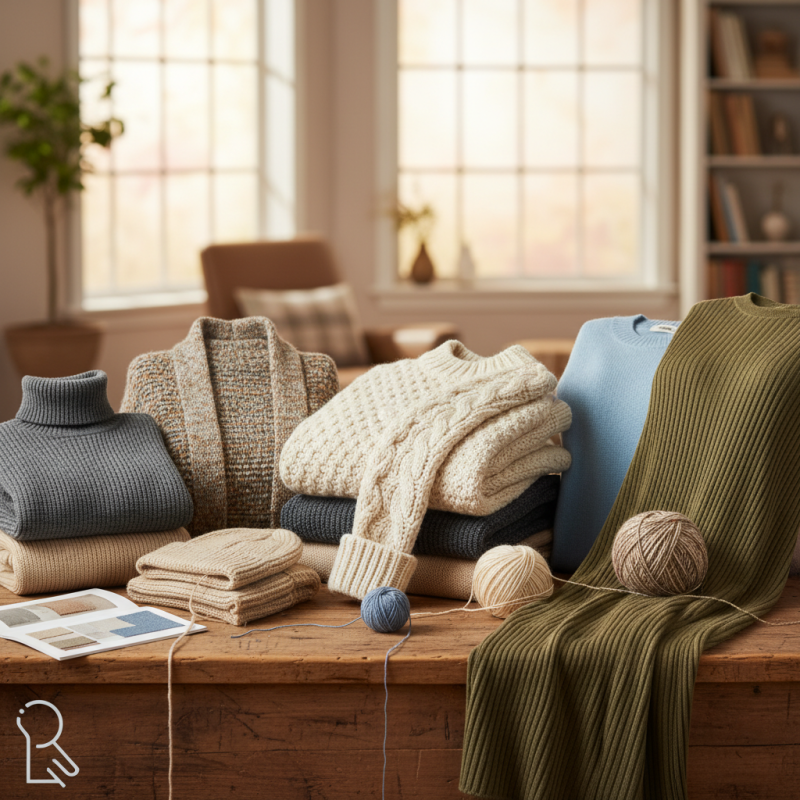
Benefits of Knitted Wear in Comfort and Flexibility for Daily Use
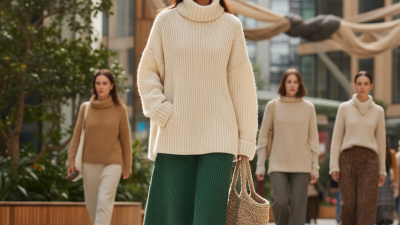
Knitted wear has become a staple in modern wardrobes, offering unparalleled comfort and flexibility. The fabric is soft and breathable, making it ideal for daily activities. It adapts well to various body types, ensuring a perfect fit for everyone. This versatility allows you to dress up or down, whether you're heading to work or enjoying a casual day out.
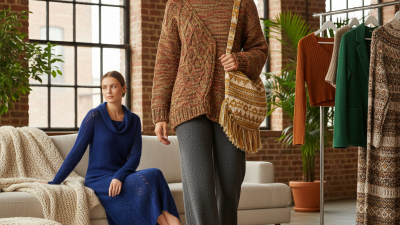
When incorporating knitted pieces into your wardrobe, consider layering. A knitted cardigan can enhance your outfit for different weather. Pair it with a simple shirt or a turtleneck for added warmth. This approach creates a balanced look that's both stylish and practical.
Experiment with textures and patterns. Mixing knitted wear with different fabrics can provide visual interest. A knitted sweater layered over a silk blouse can be striking. Remember, finding the right balance is essential. Sometimes, what feels comfortable might not look as appealing. Don’t shy away from adjusting and trying new combinations. Ultimately, knitted wear should reflect your unique style while providing comfort.
Benefits of Knitted Wear in Comfort and Flexibility for Daily Use
Key Materials Used in Knitted Wear and Their Impact on Durability
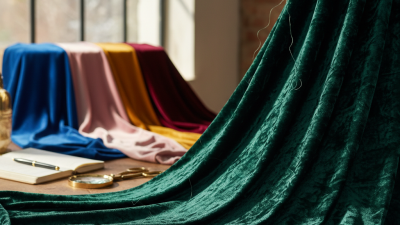
Knitted wear has gained popularity in recent years due to its versatile comfort and style. A critical factor influencing this choice is the materials used in knitting. Common knits include wool, cotton, and acrylic, each with unique properties impacting durability. Wool, for example, is known for its resilience and natural elasticity. This fiber can withstand considerable wear, making it a preferred option for cozy sweaters and cardigans.
Cotton offers breathability and softness but may lack the tensile strength of wool. According to industry reports, garments made from cotton can lose shape faster than those made from wool due to weaker fibers. The National Institute of Textile and Apparel estimates that wool garments can last up to five times longer than their cotton counterparts if properly maintained. This highlights the importance of material choices in ensuring longevity in knitted wear.
Acrylic, on the other hand, provides affordability and ease of care. Yet, it can pill easily, leading to a less favorable appearance over time. Industry analysts caution that while acrylic is less durable, it remains a popular choice for casual, everyday pieces. Ultimately, understanding these materials is essential for making informed decisions about wardrobe essentials. What works for one may not work for another, prompting reflection on personal style and needs.
Sustainability of Knitted Fabrics Compared to Other Clothing Materials
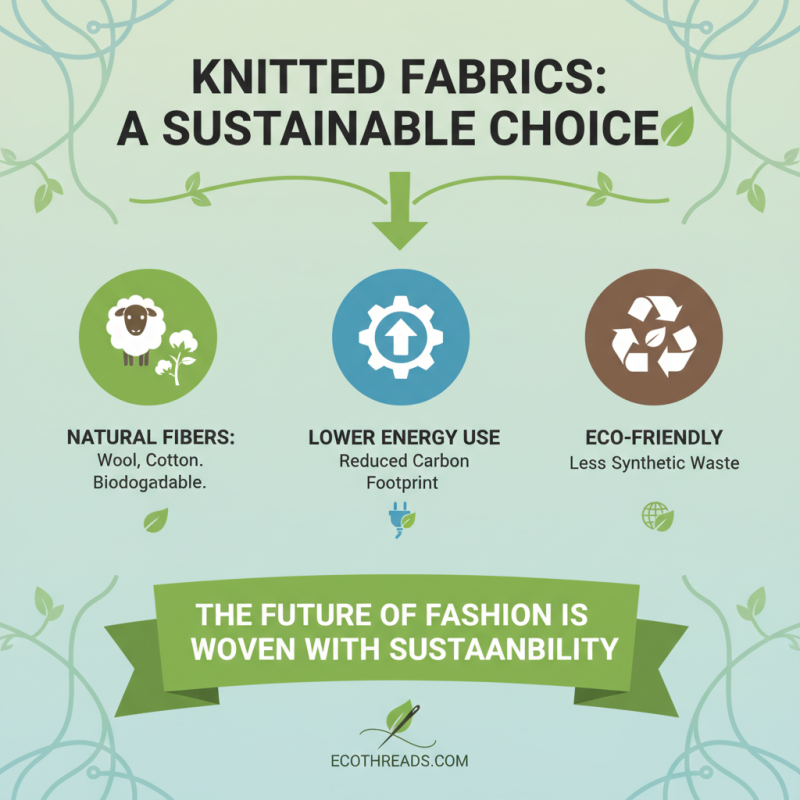
Knitted wear stands out for its sustainability. Unlike many synthetic fabrics, knitted materials often come from natural fibers. These fibers, such as wool and cotton, are biodegradable, making them more environmentally friendly. Sourcing natural materials typically requires less energy than producing synthetic options. This helps reduce carbon footprints significantly.
Tips for choosing knitted wear wisely include checking the fabric content. Look for garments made from organic or recycled materials. Inspect the production practices; transparency in sourcing is key. Also, consider the longevity of knitted items. When well cared for, they can last for years, reducing waste.
It’s essential to recognize that not all knitted fabrics are equal. Some can be treated with harmful chemicals that compromise their sustainability. Additionally, fast fashion often leads to poorly made knitted items that don't hold up over time. Investing in quality knitted wear can yield both style and sustainability benefits, but be mindful of the sourcing and manufacturing processes.
Trends in Knitted Wear and Their Influence on Fashion Industry Dynamics
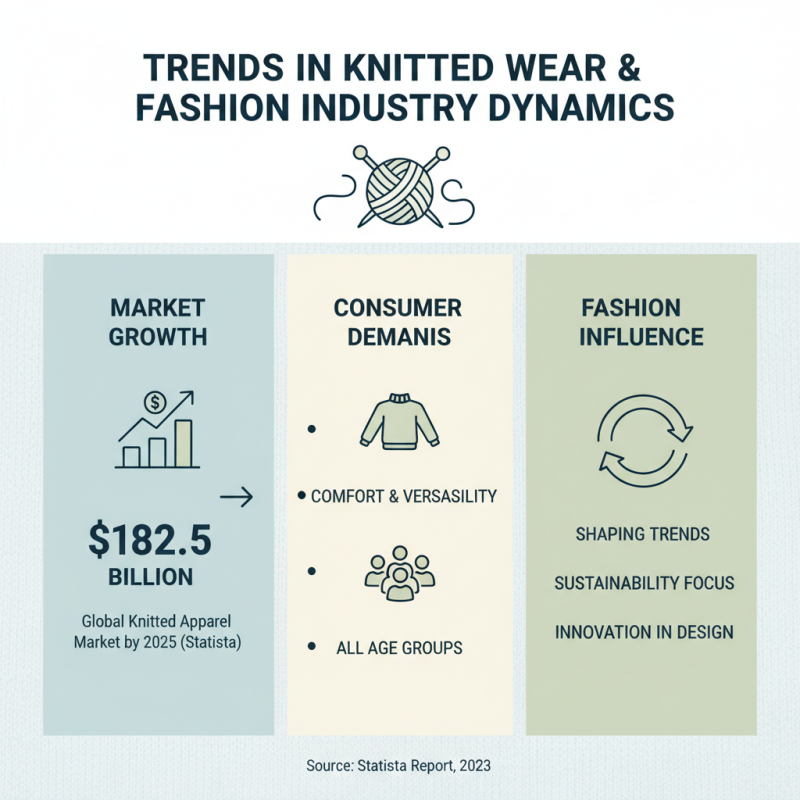
The knitting trend is undeniably shaping the fashion industry. A report from Statista indicates that the global knitted apparel market is projected to reach $182.5 billion by 2025. This significant growth highlights the increasing consumer preference for knitted wear across age groups. The comfort and versatility provided by knitted garments are driving this demand.
Many fashion designers are embracing knitted fabrics. The adaptability of knitting allows for unique designs that cater to various occasions. According to FashionNova, 72% of consumers consider comfort a top priority when purchasing clothing. This preference leads to an increase in knitted styles, from casual sweaters to elegant cardigans. However, sustainability concerns continue to emerge. Brands face pressure to produce ethically; fast fashion's effects on the environment are under scrutiny.
Yet, there's a complexity in this trend. Many brands churn out knitted wear rapidly, diluting the uniqueness often associated with handmade options. Fast-paced production can compromise quality, leading to garments that wear out quickly. As consumers become more aware, they may question the environmental footprint of their knitted choices. This introspection urges both brands and consumers to consider more sustainable practices in the knitted apparel market.
Market Growth Statistics for Knitted Wear in Global Apparel Industry
The global knitted wear market is experiencing significant growth. According to recent industry reports, the market size reached approximately $75 billion in 2022, reflecting a steady annual growth rate of around 4%. This upward trend indicates a strong consumer preference for knitted garments, driven by their comfort and versatility.
Several factors contribute to this growth. First, eco-conscious consumers are demanding sustainable and breathable materials. Knitted fabrics often use organic fibers, which attract environmentally aware shoppers. In 2023, around 30% of knitwear production is expected to feature sustainable materials, indicating the industry's shift towards eco-friendly practices.
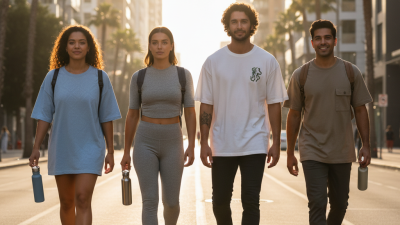
Additionally, the increasing popularity of athleisure wear has fueled knitted wear's market expansion. A survey revealed that 60% of individuals prefer knitted materials for their flexibility and softness during workouts. The alignment of fashion and functionality has made knitted wear an essential component of modern wardrobes. However, the industry must address challenges such as production waste and labor conditions to maintain its reputation for reliability and quality.
Market Growth Statistics for Knitted Wear in Global Apparel Industry
| Year |
Global Market Size (USD Billion) |
Growth Rate (%) |
Key Regions |
| 2018 |
35.7 |
4.2 |
North America, Europe |
| 2019 |
37.8 |
6.0 |
Asia Pacific, Europe |
| 2020 |
40.1 |
6.1 |
North America, Asia |
| 2021 |
42.5 |
5.9 |
Europe, North America |
| 2022 |
44.9 |
5.6 |
Asia Pacific, Europe |
| 2023 |
48.3 |
7.0 |
North America, Asia Pacific |

 +86 15968093247
 CONTACT NUMBER
 CONTACT e-mail