inquiry
Leave Your Message

Why Choose Knit Tops for Your Clothing Brand?

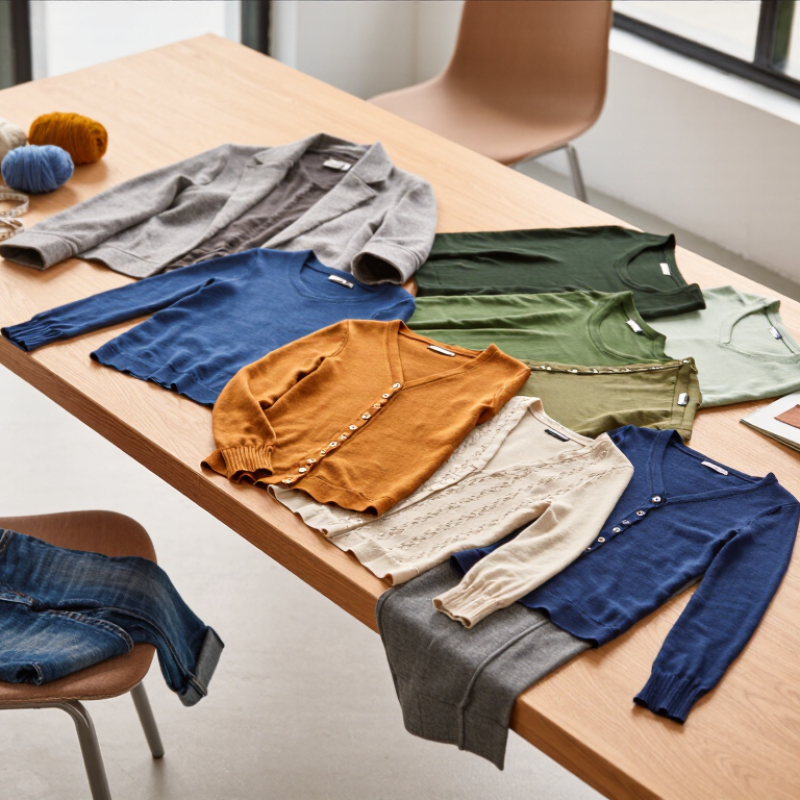
A strong clothing brand needs products that feel relevant, wearable, and commercially realistic. The Knit Top can support all three goals when its design matches customer habits. Its soft structure works across office layering, weekend dressing, and seasonal transitions. A customer may wear one under a tailored jacket at nine o’clock, then pair it with denim after work.

Knitwear designer Kaffe Fassett once said, “I am a color junkie.” His words highlight an important opportunity for brands. Knit Top collections can use color, texture, and stitch patterns to create recognition without changing the entire garment shape. Ribbed cuffs, compact collars, and subtle jacquard details can make a basic style feel considered. The fabric also offers practical advantages, including stretch, comfort, and efficient styling across different body types.

Still, a Knit Top is not automatically a smart product choice. Poor yarn selection can cause pilling, distortion, or uncomfortable heat. Excessive decoration may raise costs without improving customer value. Brands must test recovery after washing, inspect seam strength, and evaluate fit on real bodies. A beautiful sample can fail in daily use.

That is the uncomfortable part. Sustainability claims also require evidence, not attractive wording. Fiber origin, dye processes, production waste, and care instructions should be checked before launch. When brands combine technical testing with honest customer feedback, Knit Top products become more dependable. They can build repeat purchases through comfort, durability, and clear design purpose, rather than short-lived visual appeal.

Why Choose Knit Tops for Your Clothing Brand?

What Are Knit Tops?

A knit top is a garment made from yarns formed into connected loops. Those loops create natural stretch and give the fabric a flexible, comfortable hand. Unlike woven fabric, knit fabric usually bends easily without feeling stiff. T-shirts, polo shirts, lightweight sweaters, and fitted long-sleeve tops can all be knit tops.

The fabric’s structure affects how a top performs. Jersey knit feels smooth and light, while rib knit offers stronger stretch and recovery. Interlock knit feels denser and more stable. Fiber choice matters too. Cotton can feel breathable, polyester often improves durability, and blended yarns may balance softness with shape retention. A professional clothing developer checks weight, gauge, stretch, shrinkage, and seam strength before approving a sample.

Details matter.

In practical sampling, a knit top may look excellent on the table but twist after washing. That problem is easy to miss. Testing the fabric after repeated laundering gives more reliable information. A loose knit may feel attractive, yet it can lose shape around the neckline. A tighter structure may hold its form better but feel warmer against the skin. Choosing knit tops for a clothing brand therefore requires more than selecting a soft material. The design, yarn, stitch structure, finishing process, and intended use must work together. Some decisions will still need revision.

How Are Knit Tops Made and Designed?

Knit tops begin with yarn, not a sketch. Designers choose cotton, wool, viscose, or blended fibers for softness, stretch, warmth, and durability. The yarn is knitted into fabric using carefully set needles. Different structures, such as jersey, rib, and interlock, create different fits and surfaces. A ribbed collar feels firm, while jersey fabric gives a lighter drape.

During sampling, technicians check stitch density, fabric weight, shrinkage, and recovery after washing. Patterns are then shaped for the shoulders, chest, sleeves, and hem. Seams may be linked, overlocked, or reinforced, depending on the garment’s purpose. Thoughtful design also considers movement. A sleeve that looks elegant on paper may feel tight when the wearer reaches forward. That mistake is worth correcting early. Small details matter.

Tips: Test the fabric after washing. Measure stretch in both directions. Review collar recovery, seam strength, and color consistency. Keep a record of every sample adjustment. This supports reliable production and clearer communication with manufacturers. It also helps a clothing brand create knit tops that feel intentional, comfortable, and suitable for repeated wear. Perfect results are not guaranteed on the first sample. Honest testing reveals what needs improvement.

Why Choose Knit Tops for Your Clothing Brand? - How Are Knit Tops Made and Designed?

Data Dimension Typical Data or Manufacturing Fact Value for a Clothing Brand
Basic Construction Knit fabric is formed by interlooping yarns rather than crossing yarns at right angles. The loops create a flexible fabric structure. The looped construction supports comfortable movement and makes knit tops suitable for casualwear, activewear, loungewear, and lightweight layering.
Main Knitting Methods Common methods include weft knitting and warp knitting. T-shirts and many sweater-style tops commonly use weft-knitted fabrics such as jersey, rib, interlock, or fleece. Selecting the right knitting method helps control stretch, recovery, surface appearance, thickness, and production cost.
Common Fabric Types Frequently used structures include single jersey, rib knit, interlock, pique, French terry, and fleece. Each structure has different weight, stretch, texture, and warmth characteristics. A broad range of structures allows a collection to include lightweight T-shirts, fitted tanks, polos, sweatshirts, and structured knit tops.
Typical Fabric Weight Lightweight jersey often falls around 120–180 g/m², medium-weight jersey around 180–240 g/m², and heavier sweatshirt or fleece fabrics commonly exceed 240 g/m². Actual values vary by construction and fiber. Fabric weight influences drape, opacity, seasonal suitability, perceived quality, shipping weight, and retail positioning.
Fiber Options Common fibers include cotton, polyester, viscose, modal, lyocell, nylon, wool, elastane, and blends of these fibers. Fiber selection affects softness, moisture management, durability, pilling tendency, stretch, recovery, care requirements, and product price.
Stretch and Recovery Knit fabrics naturally provide some mechanical stretch because of their loop structure. Elastane is often added when higher stretch and improved recovery are required. Controlled stretch can improve fit and comfort, while adequate recovery helps reduce bagging at the neckline, cuffs, waist, and elbows.
Yarn Preparation Before knitting, yarn may be selected, wound, inspected, and prepared for machine feeding. Yarn count, twist, hairiness, and fiber composition influence the final fabric. Consistent yarn preparation helps reduce visual defects, uneven texture, yarn breakage, and shade variation during production.
Knitting Process Knitting machines form loops according to programmed stitch patterns. Machine gauge, stitch length, yarn tension, and speed affect fabric density and appearance. Controlling these variables supports repeatable fabric quality and makes it easier to maintain consistency across production batches.
Finishing Process Typical finishing steps may include dyeing or printing, washing, compacting, softening, drying, and heat setting. The exact sequence depends on the fiber and fabric structure. Finishing can improve hand feel, dimensional stability, color appearance, shrinkage control, and resistance to twisting after washing.
Pattern and Fit Design Design development normally includes a technical sketch, measurement chart, pattern, sample, fitting review, and size grading. Key measurements include chest, body length, shoulder, sleeve, and neckline. A controlled fit process reduces measurement inconsistencies and helps create a recognizable silhouette across different styles and sizes.
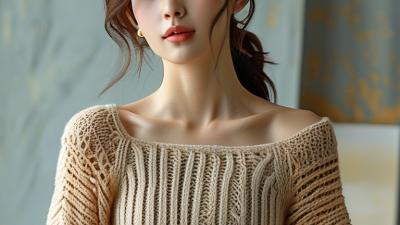
Neckline Choices Common neckline designs include crew neck, V-neck, scoop neck, boat neck, polo collar, mock neck, and turtleneck. Rib trims are frequently used to improve recovery. The neckline changes the visual character of a top and can influence comfort, layering, perceived formality, and fit around the shoulders and neck.
Seam and Detail Options Knit tops may use overlock seams, coverstitching, flatlock seams, bartacks, rib bindings, patch pockets, appliqué, embroidery, or printed graphics. Construction details influence durability, comfort against the skin, decoration possibilities, and the product’s overall design identity.
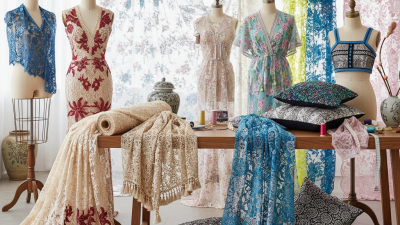
Color and Decoration Design options include solid dyeing, yarn-dye stripes, screen printing, digital printing, embroidery, heat transfers, jacquard patterns, and engineered knit structures. Different decoration methods support varied visual effects while requiring different considerations for colorfastness, hand feel, minimum quantities, and production control.
Dimensional Stability Knit garments can change in length or width after washing because loop structures and fibers respond to moisture, heat, tension, and finishing treatments. Pre-production testing and controlled finishing help reduce unexpected shrinkage, skewing, spirality, and shape distortion.
Quality Inspection Useful checks include fabric weight, width, shade consistency, shrinkage, spirality, colorfastness, seam strength, pilling, measurements, and appearance after laundering. Testing against defined specifications helps identify defects before shipment and supports consistent customer experience.
Comfort Performance Comfort is influenced by softness, air permeability, moisture absorption, fabric weight, stretch, seam placement, and the garment’s ease allowance. Balancing these factors can make knit tops appropriate for extended wear and multiple consumer use occasions.
Care Requirements Care instructions depend on fiber and finish. Cotton may shrink if exposed to excessive heat, while elastane can be affected by high temperatures and harsh chemicals. Accurate care labeling helps consumers maintain garment appearance and reduces avoidable complaints related to shrinkage, fading, or loss of stretch.
Sustainability Considerations Relevant considerations include fiber origin, recycled content, dyeing chemistry, water and energy use, fabric utilization, durability, repairability, and end-of-life options. Designing durable, versatile knit tops and selecting materials carefully can support more responsible product development without relying on company-specific claims.
Product Development Sequence A typical sequence is concept development, fabric selection, technical design, prototype sampling, fitting, revisions, size grading, pre-production approval, bulk production, and final inspection. A structured workflow helps control risk, improve fit, maintain specifications, and coordinate design, sourcing, and manufacturing decisions.
Why Knit Tops Are Versatile Knit tops can be produced in different weights, structures, silhouettes, colors, surface textures, and stretch levels while using the same broad category of loop-based construction. This versatility makes knit tops adaptable to different seasons, price levels, customer preferences, and wardrobe categories.

What Benefits Do Knit Tops Offer Clothing Brands?

Why Choose Knit Tops for Your Clothing Brand?

Knit tops offer clothing brands a practical balance of comfort, fit, and visual appeal. Their looped construction creates natural stretch, helping garments move with the body. Customers often notice this during long workdays, travel, or relaxed weekends. A well-selected knit can also create a smooth drape without adding heavy fabric layers. That makes it useful for shirts, lightweight sweaters, dresses, and coordinated sets.

From a product development perspective, knit fabrics support many design directions. Brands can adjust yarn content, gauge, weight, neckline shape, and sleeve length. These choices help create distinct collections without completely changing production methods. However, flexibility can create problems. A soft fabric may pill after repeated washing. A bright color may lose strength. Fit can also shift when fabric recovery is weak. Real testing matters more than a promising sample.

Tips: Test stretch, shrinkage, pilling, colorfastness, and seam recovery before approving bulk production. Wash samples several times. Measure them again. Include clear care instructions for customers. Keep records of fabric performance, supplier specifications, and fitting changes. This evidence supports more reliable decisions and strengthens product credibility. I have found that a slightly heavier knit sometimes feels more dependable, but it may reduce breathability. That trade-off deserves honest review. A successful knit top should feel comfortable, keep its shape, and match the customer’s daily needs.

How Can Knit Tops Support Brand Identity and Market Positioning?

Knit tops can make a clothing brand feel recognizable without relying on loud graphics. Their texture, stretch, and shape create a visual language customers can remember. A fine-gauge knit may suggest clean, modern dressing, while a heavier ribbed surface feels warmer and more casual. Color also matters. Repeating a carefully selected palette across seasonal collections can strengthen brand identity. However, consistency should not become dull repetition. Customers still expect small changes in neckline, sleeve proportion, or yarn texture.

Knit tops also support market positioning through practical product decisions. A brand focused on everyday value might choose durable cotton blends, reinforced seams, and easy-care instructions. A more design-led label may explore sculptural fits, unusual stitch structures, or controlled surface effects. Production experience shows that sampling is essential. A garment can look excellent on a sketch but lose its shape after washing. That weakness should be tested early. Fit trials, shrinkage checks, and color fastness reviews help protect customer trust. Still, technical testing cannot measure everything. A soft knit may feel appealing in a showroom, yet become uncomfortable in humid weather. Customer feedback should challenge the original design idea, not merely confirm it. Clear sizing, honest fiber information, and consistent quality give the visual identity a reliable foundation. Small details matter.

Why Choose Knit Tops for Your Clothing Brand?

How Knit Tops Support Brand Identity and Market Positioning

Knit tops combine comfort, stretch, surface texture, color flexibility, and scalable production. These measurable product attributes help clothing brands build a recognizable visual identity while positioning collections around everyday wearability, premium feel, and design versatility.

Strategic assessment scale: 1 = low suitability, 5 = high suitability. Scores reflect common performance characteristics of knitted apparel compared with less flexible structured garment categories.

What Factors Should Brands Consider When Choosing Knit Tops?

Choosing knit tops is not only a style decision. It affects comfort, costing, durability, and production risk. Textile Exchange’s Materials Market Report 2024 estimates that global fiber production reached 124 million tonnes in 2023. The figure may reach 160 million tonnes by 2030. This growth makes fiber selection increasingly important for responsible product planning.

Start with the customer’s actual use. A lightweight cotton knit may suit warm commutes, while a denser blend can support cooler weather. Check fiber content, yarn count, fabric weight, stretch recovery, pilling resistance, and colorfastness. A soft hand feel is useful, but it can hide weak recovery. The collar may twist after several washes. Test it.

Construction also shapes commercial performance. Single jersey feels light and flexible. Rib knit provides stronger stretch around necklines and cuffs. Interlock offers a smoother, more stable surface, but usually requires more material. Brands should compare sample measurements after washing, not only before washing. Include shrinkage tests, seam strength checks, and wear trials with real movement.

Cost deserves careful attention. A lower fabric price may create higher returns, rework, or dissatisfied customers. The World Economic Forum has reported that textile waste remains a major industry challenge, so longer wear should influence material choices. Still, sustainability claims need evidence. Ask suppliers for test reports, traceability records, and clear fiber percentages. No forecast is perfect. A small pilot order can reveal problems that a polished sample misses.