Top 10 Lace Fabric Trends in China for Fashion and Décor Ideas?
Lace fabric has captivated fashion and interior design for centuries. In China, its popularity is soaring, influencing trends in both fields. Designers and decorators alike are exploring fresh ways to showcase this versatile material.
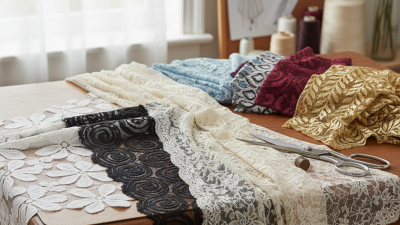
Current lace fabric trends reflect a blend of tradition and modern innovation. Intricate patterns and vibrant colors are making waves in clothing collections. From elegant evening gowns to casual wear, lace adds charm and sophistication. In home decor, lace fabric is used in table settings, curtains, and upholstery. This material brings a unique texture and a touch of femininity to interiors.
As we delve into the top ten trends in lace fabric, we find an exciting mixture of styles. However, one must also consider the challenges in sourcing high-quality lace. Not all vendors meet the standards of craftsmanship. The journey in lace fabric design is about experimentation and growth. Embracing imperfections can lead to unexpected beauty. In this landscape of evolving trends, lace fabric remains a timeless staple, continually inspiring creativity.
Current Popular Lace Fabric Patterns in Chinese Fashion
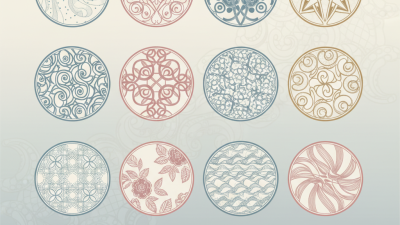
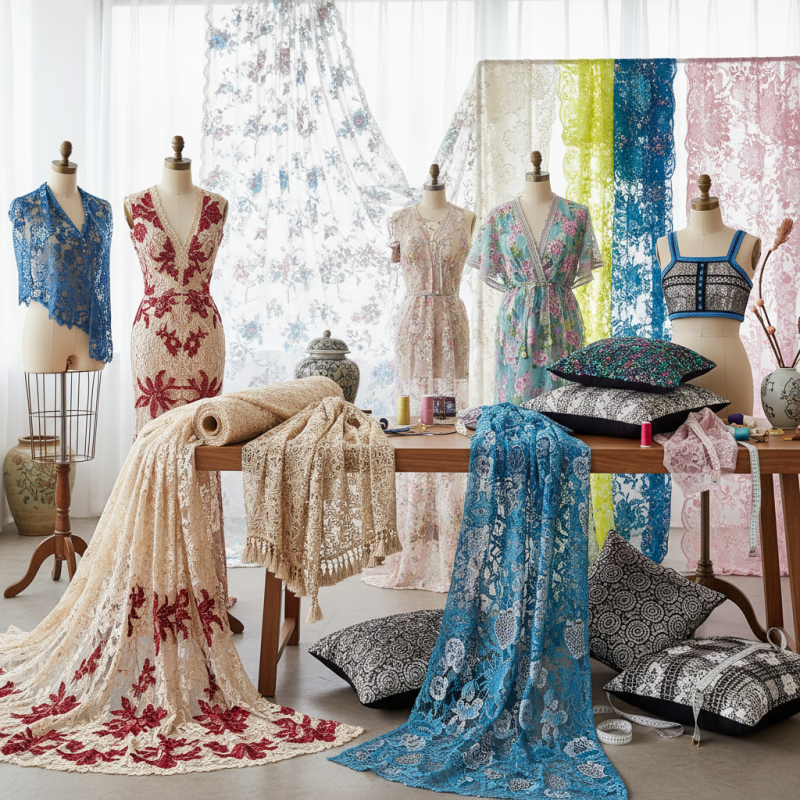
Lace fabric trends in China are evolving rapidly, reflecting a blend of tradition and modern style. Popular patterns showcase intricate designs. Floral motifs remain a favorite, often featuring delicate, embroidered details. These designs frequently appear in formal gowns and casual wear, demonstrating their versatility. Geometric shapes are also on the rise. They offer a fresh take, appealing to younger audiences seeking unique styles.
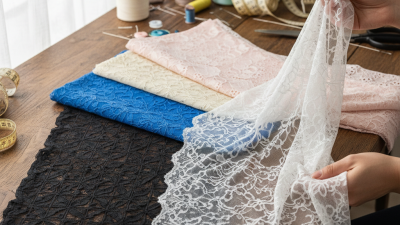
Texture plays a critical role in current lace fashion. Soft, sheer materials dominate the scene. Many designs incorporate layered effects, creating depth and visual interest. This layering technique can enhance an outfit, making it stand out. Sometimes, simpler patterns contrast sharply with bold colors, adding an unexpected twist. Recent runway shows highlight these combinations. While many enjoy these trends, some find them overwhelming. Fashion is subjective, after all.
In home décor, lace has also found its way into modern interiors. Tablecloths and curtains made from lace bring elegance to spaces. However, using too much can risk creating a cluttered look. Thoughtful placement is essential. A single lace accent can transform a room without overpowering it. This balance is a reflection of the ongoing conversation about minimalism versus maximalism in design. Trends continue to inspire creativity, inviting both admiration and reflection.
Top 10 Lace Fabric Trends in China for Fashion and Décor Ideas
| Trend |
Description |
Usage |
Color Palette |
| Floral Patterns |
Delicate lace featuring intricate floral designs. |
Dresses, skirts, and home decor. |
Pastels and vivid colors. |
| Geometric Lace |
Modern patterns with geometric shapes. |
Tops, accessories, and curtains. |
Monochrome shades. |
| Vintage Lace |
Classic lace reminiscent of historical designs. |
Evening wear and bridal gowns. |
Ivory and cream colors. |
| Bold and Bright Colors |
Lace fabrics in striking colors. |
Casual wear and statement pieces. |
Fuchsia, turquoise, and neon hues. |
| Lace Overlays |
Layered lace on solid fabrics for texture. |
Blouses, dresses, and upholstery. |
Combination of various shades. |
| Eco-friendly Lace |
Sustainable materials and production methods. |
Fashion and eco-conscious home decor. |
Natural colors; earthy tones. |
| 3D Lace |
Textured lace with three-dimensional elements. |
Avant-garde fashion and creative decor. |
Metallics and bold colors. |
| Ethnic Inspired Lace |
Incorporation of traditional patterns. |
Cultural garments and artistic home accents. |
Rich, cultural colors. |
| Lace Edging |
Lace used as embellishments on garments. |
Rotisserie, blouses, and home textiles. |
Classic white and black. |
| Cutwork Lace |
Lace featuring cut-out designs. |
Unique clothing pieces and decorative items. |
Soft neutrals and bolder hues. |
Innovative Lace Uses in Home Décor and Interior Design
Lace fabric is making waves in interior design, offering a delicate touch to home décor. From curtains to table runners, lace adds elegance and charm. This textile enhances spaces, making them feel inviting. It can transform a simple room into a sophisticated retreat. The playfulness of lace integrates seamlessly with modern styles.
Tips for using lace in décor: Try layering lace curtains over solid drapes for added depth. Use lace tablecloths for a vintage touch at dinner parties. Remember, lace can be delicate. Use it wisely to avoid a cluttered look. Too much lace can overwhelm a space.
Finding the right balance is crucial. Consider your color palette. Soft pastels work beautifully with lace. However, bold hues can create a striking contrast. Experiment with textures. Combining lace with wood or metal can achieve a compelling aesthetic. Don't fear imperfections; they can add character to your design. Embrace the unique beauty that lace offers.
Cultural Significance of Lace Fabrics in Chinese Fashion Trends
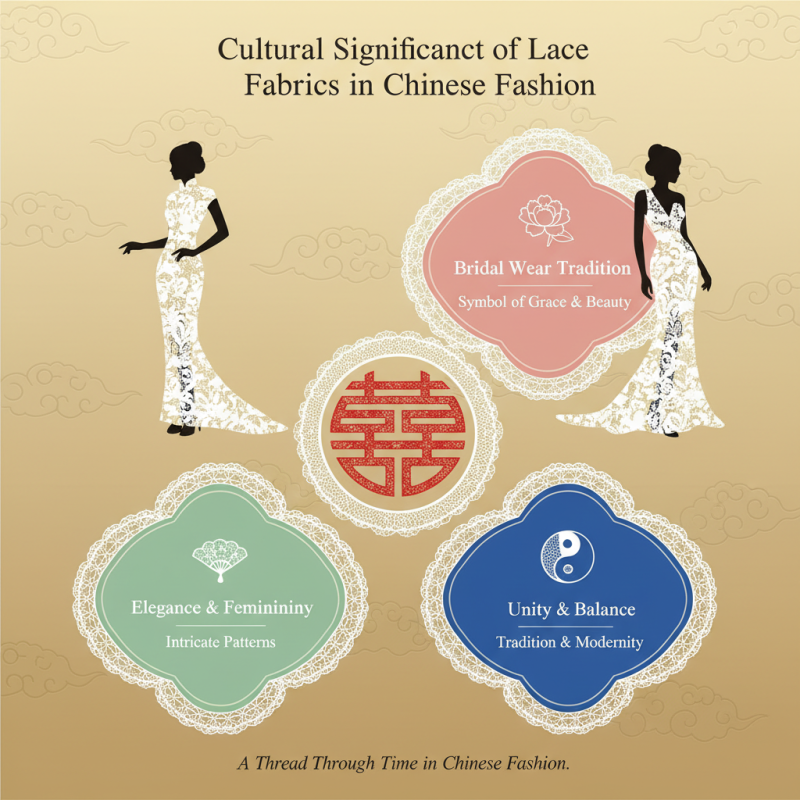
Lace fabrics have a rich and intricate history in Chinese fashion. Their delicate patterns symbolize elegance and femininity. Traditionally, lace has been used in bridal wear, enhancing the bride's beauty and grace. This cultural significance resonates deeply, as lace often represents unity and the delicate balance of tradition and modernity.
In contemporary fashion, lace has evolved beyond just bridal attire. Designers now incorporate it into everyday wear and decorative items. This shift reflects a broader acceptance of various textures and styles in Chinese fashion. Lace is also favored in home décor, adding a touch of sophistication to interior design. For many, using lace in different contexts signifies a blend of heritage and innovation.
However, the prevalence of lace has led to challenges. Oversaturation in the market may diminish its uniqueness. Many consumers are now seeking original designs that speak to their personal style. This trend forces the industry to reflect on quality versus quantity. Fashion must not only celebrate lace but also elevate it with new interpretations.
Key Designers and Brands Leading Lace Trends in China
In China, lace fashion is experiencing a revival. Several prominent designers are at the forefront of this trend, showcasing intricate lace pieces that blend tradition with modernity. Their collections highlight the elegance of lace paired with vibrant colors and unique textures. This approach is transforming lace from a delicate fabric to a bold statement in contemporary fashion.
Key designers are pushing boundaries by experimenting with lace designs. Some are incorporating asymmetric cuts and layering techniques. This results in visually striking garments that challenge conventional styles. Such creativity is setting new standards in both fashion and décor. It invites consumers to appreciate lace not just as an embellishment, but as a central element of design.
In home décor, lace elements are popping up in unexpected places. Designers are using lace in curtains, table linens, and upholstery, creating an ethereal ambiance. This trend reflects a desire for refined aesthetics in everyday spaces. However, not all designs succeed—some lack the desired sophistication. This calls for continuous innovation and a careful balance between traditional craftsmanship and modern appeal.
Top 10 Lace Fabric Trends in China for Fashion and Décor Ideas
Sustainable and Eco-Friendly Lace Fabric Options in 2023
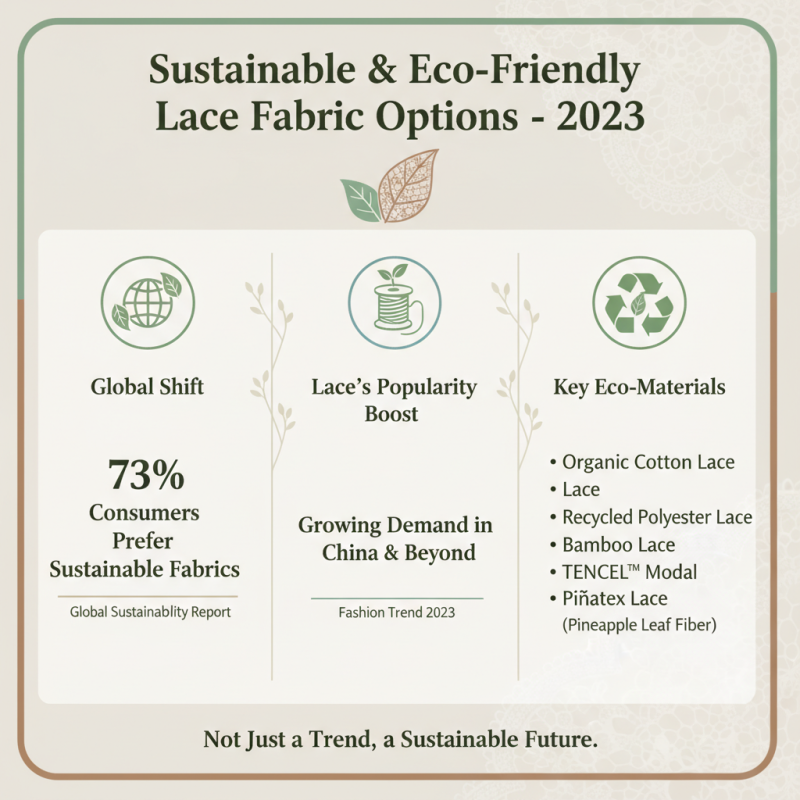
Lace fabric has gained immense popularity in recent years, particularly in China. In 2023, the trend is shifting towards sustainable and eco-friendly lace options. This shift is not just a passing trend; it's backed by data. According to the Global Sustainability Report, 73% of consumers prefer sustainable fabrics. This preference is reshaping the lace fabric market.
Eco-friendly lace fabrics can be made from organic cotton, recycled polyester, or even biodegradable fibers. Such materials help reduce environmental impact. In 2023, data shows that the demand for sustainable lace has increased by 30% in the fashion sector. As designers focus on sustainability, they often seek certifications to validate their materials. This adds credibility and builds consumer trust.
However, not all lace options labeled as eco-friendly are truly sustainable. The industry grapples with transparency issues. Many brands lack clear supply chain practices. Consumer awareness plays a critical role here. Educating shoppers to differentiate between genuine sustainable products and greenwashing is essential. Sustainable choices should be informed, not assumed. Increased scrutiny will elevate the overall standards in the lace fabric industry, pushing brands to adhere to eco-friendly practices more rigorously.

 +86 15968093247
 CONTACT NUMBER
 CONTACT e-mail