Top 10 Short Sleeve Tees Every Global Buyer Should Know?
The global apparel market has seen a significant rise in demand for Short Sleeve Tees. According to a recent report by Statista, the T-shirt segment alone is projected to reach over $200 billion by 2025. This growth is driven by changing fashion trends and a growing preference for casual wear. Short Sleeve Tees offer versatility, comfort, and style, making them a staple in wardrobes worldwide.
However, as the market expands, buyers face challenges. The saturation of designs and varying quality levels can overwhelm marketers. The American Apparel and Footwear Association emphasizes the importance of making informed decisions. Quality and production practices are crucial for brand loyalty and customer satisfaction.
This landscape requires a keen understanding of which Short Sleeve Tees stand out. Buyers must identify unique designs that resonate with target demographics while ensuring ethical sourcing. As the market evolves, staying ahead requires keen insight into consumer preferences and industry trends.
Key Characteristics of High-Quality Short Sleeve Tees
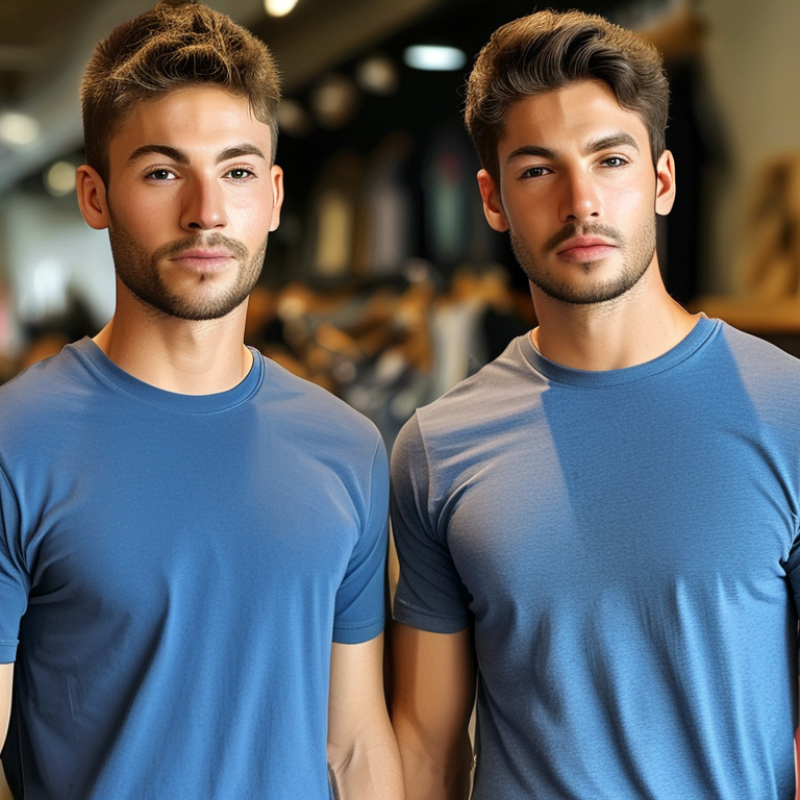
When selecting high-quality short sleeve tees, several key characteristics stand out. Fabric choice is vital. Look for breathable materials like cotton or cotton blends. These fabrics can improve comfort, especially in warm climates. Construction quality also plays a significant role. Pay attention to stitching and seam finishes. Double-stitched seams tend to be more durable and withstand regular wear.
Another important aspect is fit. A well-fitted tee enhances the overall appearance. Consider both regular and slim fits. This ensures a variety of body types can find their ideal match. Color retention is also crucial. High-quality dyes can prevent fading, keeping the tee looking fresh after multiple washes.
It's helpful to evaluate these characteristics critically. Sometimes, seemingly minor details can indicate overall quality. For instance, a label that emphasizes proper care instructions may reflect the product’s longevity. Choosing the right tee involves balancing comfort, durability, and style. High-quality options may have a higher initial price tag, but they often prove to be better investments.
Popular Fabrics and Materials Used in Short Sleeve Tees
The choice of fabric significantly influences the quality of short sleeve tees. Cotton remains the most popular fabric due to its breathability and softness. According to industry reports, around 65% of short sleeve tees are made from cotton. This natural fiber is favored for its comfort and durability, making it ideal for everyday wear.
However, cotton isn't the only option. Polyester blends have gained traction. They account for approximately 25% of the market share. This fabric is lightweight and quick-drying, appealing to active consumers. Yet, some might find polyester less comfortable against the skin.
Sustainable alternatives are also rising in popularity. Fabrics like bamboo and organic cotton are emerging, with a market growth rate projected at 8% annually. These materials appeal to eco-conscious buyers. Organic cotton uses 91% less water than conventional cotton, making it a more sustainable choice. Despite the benefits, these fabrics often come at a higher price point. Balancing quality and cost can be challenging for buyers.
Top 10 Short Sleeve Tees Every Global Buyer Should Know
| Rank |
Fabric Type |
Key Features |
Popular Uses |
| 1 |
Cotton |
Soft, breathable, durable |
Casual wear, fitness |
| 2 |
Polyester |
Moisture-wicking, lightweight |
Athletic wear, travel |
| 3 |
Spandex |
Stretchable, contour-fitting |
Yoga, activewear |
| 4 |
Bamboo |
Eco-friendly, soft, anti-bacterial |
Casual, eco-conscious markets |
| 5 |
Linen |
Cool, breathable, natural texture |
Summer wear, upscale markets |
| 6 |
Rayon |
Soft, drapes well |
Trendy styles, casual wear |
| 7 |
Modal |
Luxuriously soft, breathable |
Comfort wear, everyday tees |
| 8 |
Hemp |
Durable, eco-friendly, anti-bacterial |
Sustainable fashion |
| 9 |
Cotton-Polyester Blend |
Comfortable, wrinkle-resistant |
Uniforms, casual wear |
| 10 |
Jersey |
Stretchy, smooth |
Sportswear, loungewear |
Top Brands Leading the Short Sleeve Tee Market Globally
In the competitive landscape of short sleeve tees, several brands stand out as leaders. Each brand brings something unique to the table. Some focus on sustainable materials, while others emphasize comfort and style. The rise of eco-friendly choices has reshaped consumer expectations. People are willing to pay more for tees made from organic cotton or recycled fibers.
Innovation is key. Brands explore new technologies in fabric production. Techniques like moisture-wicking and antimicrobial treatments are becoming standard. These features enhance the appeal of short sleeve tees. However, not all brands effectively communicate these advancements. Transparency in sourcing and production remains a concern. Customers want to know where their clothes come from.
Consumer preferences are shifting rapidly. What was popular last season may not be in vogue now. Additionally, some brands struggle to keep up with trends. They often face criticism for lack of variety. Buyers appreciate versatility in color and design. A limited selection can deter potential customers. Addressing these gaps is essential for maintaining relevance in the market.
Top 10 Short Sleeve Tees Market Share
Trends in Short Sleeve Tee Design for the Current Season
The current season has brought exciting trends in short sleeve tee designs.
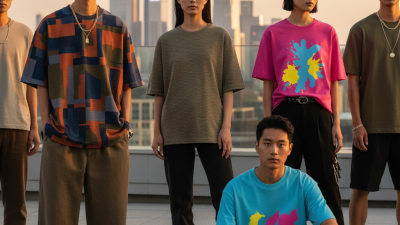
This year, comfort meets style. Loose fits are gaining popularity.
Lightweight fabrics that breathe well are essential. Bold colors and playful graphics define the vibe.
Natural dyes and eco-friendly materials are also in demand.
People care more about sustainability.
When selecting tees, buyers should consider versatility.
A good tee transitions well from day to night. Look for pieces that incorporate unique textures or prints.
Layering options can add depth to the outfit. Accessories, like
statement jewelry, elevate the overall look. Think outside the box.
Another important trend includes a focus on inclusivity.
Styles for every body type are crucial. Designers are embracing diverse sizes and shapes.
This shift reflects a broader cultural movement. It is important that everyone feels included.
Tips: Explore local markets for unique designs.
Don't shy away from vintage finds. Quality is often hidden in small shops.
Remember to check fabric labels. Understanding the materials helps ensure the right choice.
Sustainability Practices in Short Sleeve Tee Production
The production of short sleeve tees has seen a significant shift toward sustainability in recent years. According to the Global Fashion Agenda, the fashion industry generates over 92 million tons of waste annually. This alarming statistic has prompted brands to reconsider their manufacturing processes. Many are now using organic cotton and recycled materials to reduce their environmental footprint. In fact, the use of organic cotton can save up to 91% in water usage compared to conventional cotton.
Yet, the pursuit of sustainability is not without challenges. Some eco-friendly practices can still rely heavily on energy-intensive processes. For instance, while recycled polyester reduces dependency on virgin materials, it can require a significant amount of energy for recycling. The Ellen MacArthur Foundation reports that less than 1% of clothing is recycled into new garments. This raises questions about the true sustainability of these practices and highlights the need for improvement.
As consumers demand transparency, brands face mounting pressure to disclose their sustainability efforts. The Fashion Revolution's annual "Fashion Transparency Index" indicates that 60% of brands publish some information on their supply chains. However, the depth and accuracy of this information often remain vague. Continued collaboration across the industry is crucial to enhance accountability and drive meaningful change in short sleeve tee production.

 +86 15968093247
 CONTACT NUMBER
 CONTACT e-mail