China Top Flannel Clothing Trends You Need to Know?
Flannel clothing has long been a staple in both casual and stylish wardrobes. As trends evolve, flannel continues to hold its ground. Its soft texture and warmth make it perfect for colder months, especially in China.
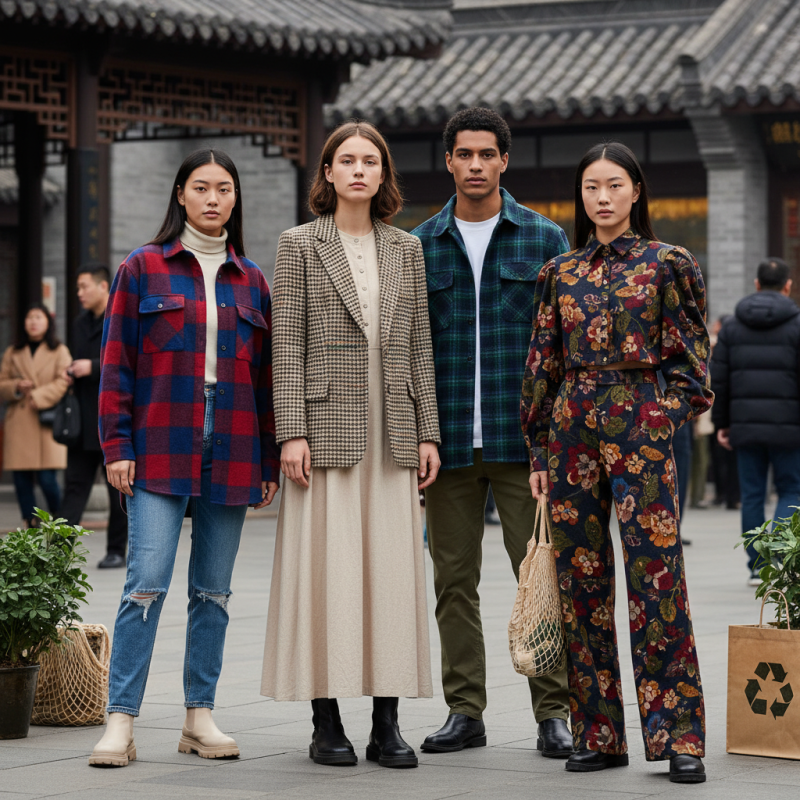
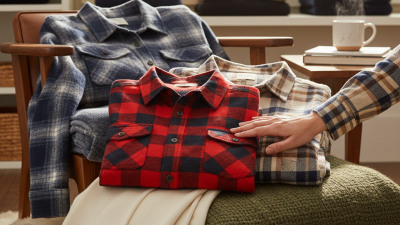
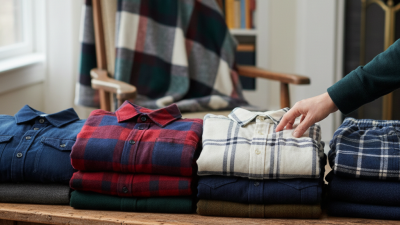
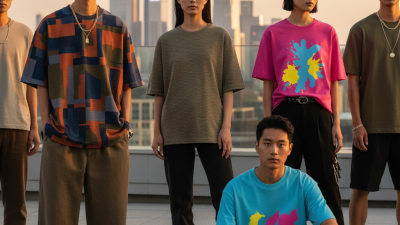
This year's top flannel clothing trends feature bold patterns and unique cuts. From oversized shirts to tailored jackets, the versatility is striking. The rich hues of red, blue, and green dominate, adding a vibrant touch.
The sustainability aspect is gaining attention. Many brands focus on eco-friendly materials. However, the journey towards sustainable fashion is imperfect. As consumers, we must reflect on our choices. Embracing flannel clothing can be both a style statement and a step toward a more responsible wardrobe.
China's Flannel Clothing: An Overview of Current Trends
Flannel clothing in China is experiencing a renaissance, influencing wardrobes across various demographics. This soft, warm fabric is now embraced for its versatility. People wear it in casual settings and even in semi-formal events. Flannel shirts, jackets, and even dresses showcase this fabric's adaptability. The Chinese market is seeing a surge in various patterns and colors, appealing to younger consumers.
Street style is becoming a key influencer of flannel trends. Many fashion enthusiasts mix flannel with denim or layer it over simple tees. Influencers post about their unique combinations on social media, sparking interest. However, it’s essential to consider sustainability. Many flannel products rely on synthetic materials, raising concerns about environmental impacts. Consumers are increasingly drawn to eco-friendly brands.
Another trend is the rise of flannel loungewear. Comfortable yet stylish, these pieces are perfect for home settings. But this trend has its downsides. Some designs are flimsy and don’t last long. Quality varies widely, making mindful purchasing crucial. As flannel culture evolves, consumers must pay attention to the sustainability and quality of their choices.
Popular Flannel Styles Among Chinese Consumers in 2023
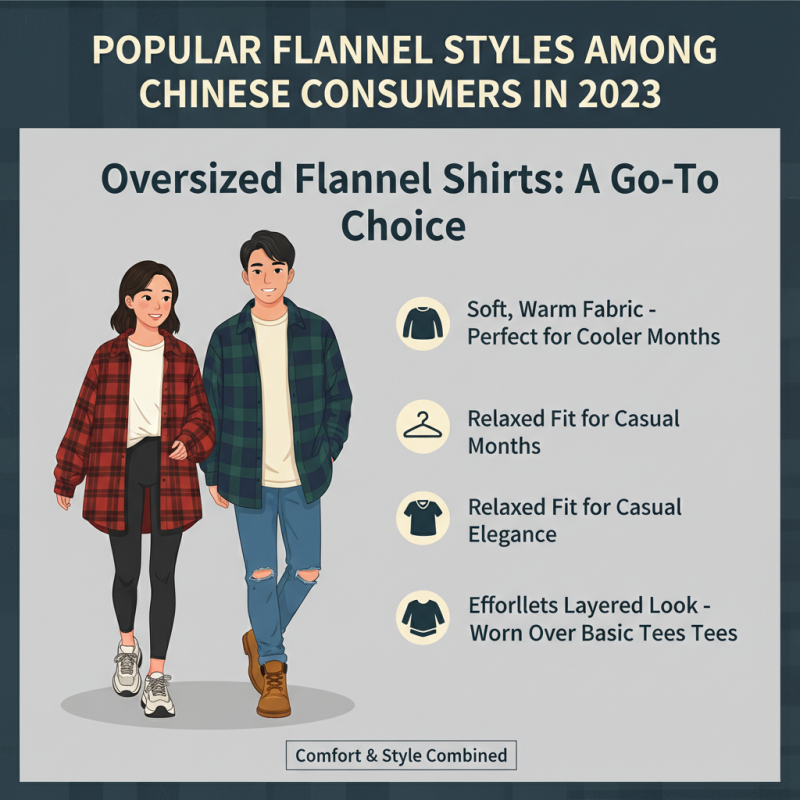
Flannel clothing has surged in popularity among Chinese consumers this year. The soft, warm fabric is perfect for the cooler months. Many people appreciate its comfort and style. In 2023, oversized flannel shirts have become a go-to choice. Their relaxed fit appeals to those seeking casual elegance. Often worn over basic tees, these shirts create an effortless layered look.
Plaid patterns dominate the scene. Vibrant colors like red, blue, and green are widely favored. These patterns evoke a sense of nostalgia. They remind consumers of classic styles, yet feel modern. Some trends also include flannel outerwear, like jackets. These pieces provide warmth while remaining stylish. However, shoppers sometimes struggle with fit and proportions. It’s essential to choose styles that flatter individual body types.
In terms of accessories, flannel garments are often paired with distressed jeans or leggings. This combination emphasizes comfort without sacrificing style. Footwear choices vary, too—from sneakers to boots. Many consumers seem to be experimenting with mixing textures. Some combinations are more successful than others. It’s an ongoing journey to find the perfect balance. Flannel continues to evolve in China, symbolizing both tradition and modern fashion exploration.
Key Factors Influencing Flannel Clothing Trends in China
Flannel clothing has seen a surge in popularity across China. A mix of comfort, warmth, and style appeals to many consumers. The changing climate largely influences this trend. As urban areas experience colder winters, flannel provides an ideal solution. People are looking for outfits that can transition from outdoor adventures to cozy indoor gatherings.
Moreover, cultural influences play a significant role. Young Chinese consumers are drawn to Western fashion trends. Social media platforms showcase flannel in various styles, fueling interest. Influencers often wear flannel in casual settings. This visibility creates desire. And yet, as the market expands, quality control sometimes falls short. Consumers notice inconsistencies in fabric and durability. This reality leads to reflections on sourcing and manufacturing practices.
Sustainability has also become a consideration. Many consumers seek environmentally-friendly options. They are questioning where and how clothing is made. Brands that endorse eco-friendly materials gain trust. However, the challenge remains to maintain affordability while improving sustainability. Balancing these factors will be key in shaping future flannel clothing trends in China.
Sustainable Practices in China's Flannel Clothing Industry
Sustainable practices are becoming essential in China's flannel clothing industry. As consumers increasingly value eco-friendly options, manufacturers are adapting. They focus on using organic materials and reducing waste. Many brands are shifting to natural dyes, enhancing the appeal of their products. This transition not only protects the environment but also boosts the quality of flannel fabric.
Producing flannel sustainably involves challenges. Sourcing eco-friendly materials can be costly. Some manufacturers struggle to find suitable suppliers. This issue highlights the need for innovation in textile production. Brands must collaborate with local farmers and suppliers to create a stable network for sustainable resources.
Tips for eco-conscious shoppers: Look for certifications that guarantee sustainability. Support brands that disclose their practices. Small changes in purchasing habits can drive real change in the industry. Choose timeless styles that last, reducing the need for frequent replacements. By nurturing a connection to sustainable clothing, consumers empower a shift towards a greener future.
Leading Brands and Designers in China's Flannel Fashion Scene
Flannel clothing has seen a significant rise in popularity in China. Many emerging designers are redefining this classic fabric. They experiment with textures, colors, and styles, appealing to a diverse audience. The warmth of flannel makes it ideal for layering in colder months.
Leading brands showcase unique interpretations of flannel. Some focus on sustainable practices, using eco-friendly materials. Others highlight craftsmanship, emphasizing intricate details and handmade elements. This blend of innovation and tradition is captivating consumers.
However, the market is competitive. Not all designs resonate with shoppers. Some brands struggle to balance aesthetics and functionality. Consumers increasingly seek authenticity, pushing designers to reflect genuine stories through their collections. Successful flannel fashion must connect with the wearer’s identity and lifestyle.
China Top Flannel Clothing Trends

 +86 15968093247
 CONTACT NUMBER
 CONTACT e-mail