inquiry
Leave Your Message

How to Choose the Best Suit Jackets in 2026?

Choosing the right Suit Jackets in 2026 is less about chasing a trend and more about finding a jacket that works with your body, wardrobe, and daily routine. A sharp-looking style can still feel uncomfortable if the shoulders pull, the sleeves cover your hands, or the fabric traps heat. Small details matter. Start with fit, then consider construction, material, color, and price.

For everyday wear, look for a jacket that sits smoothly across the shoulders and allows easy movement when buttoned. Wool offers structure and year-round versatility, while linen feels lighter but wrinkles more readily. A half-lined jacket may be comfortable in warm weather; a fuller lining can help it slide over shirts. Check the buttons, seams, and pockets in person when possible. Online, compare the garment’s measurements with a jacket you already own, and review the return policy before ordering. Size labels vary.

Not every useful jacket needs to be perfectly tailored. That may be an imperfect compromise, but it can be practical. A modest alteration to the sleeves or waist may improve the fit without turning a sensible purchase into an expensive project. Consider how often you will wear the jacket, what trousers and shoes you already own, and whether the care instructions suit your routine. The best choice is not automatically the most expensive or fashionable. It is the one that feels comfortable, looks appropriate, and earns a place in your wardrobe.
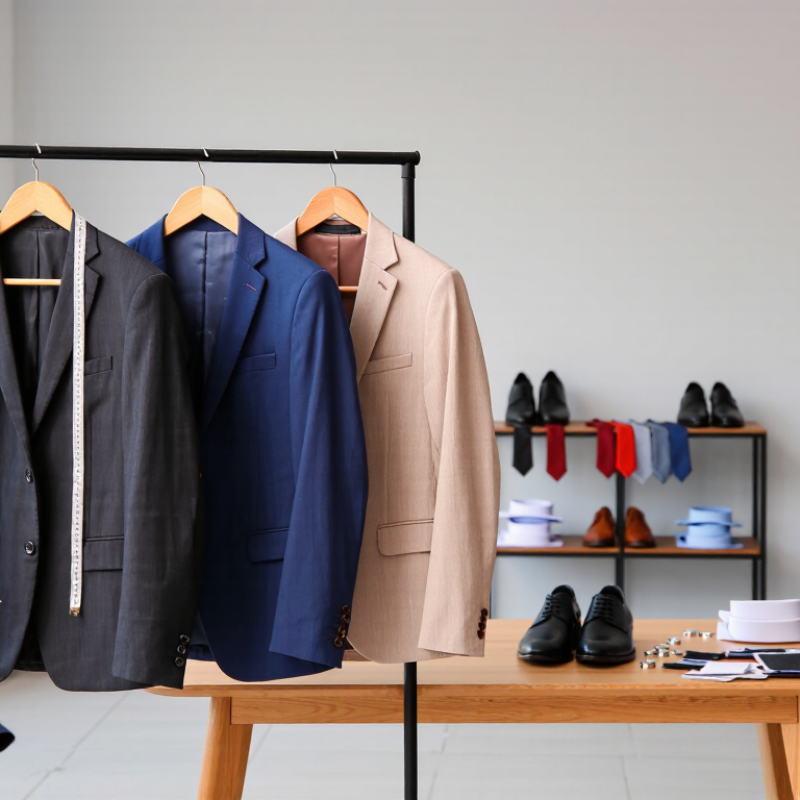
How to Choose the Best Suit Jackets in 2026?

Identify the Jacket’s Purpose and Wear Occasions

A suit jacket should match the work it needs to do, not just look sharp on a hanger. For client meetings or formal ceremonies, choose a more structured jacket with defined shoulders and a clean lapel. It will look composed under office lighting and in photographs. For dinners, creative workplaces, or frequent travel, a softer, less padded jacket can feel easier to wear. Check the fabric against the climate and the occasion: a lightweight weave may suit a warm room, while a denser fabric feels more comfortable outdoors in cool weather. Fit matters, too. The jacket should close without pulling across your chest, and its sleeves should reveal a little shirt cuff.

Tips: Picture a real day in the jacket. Will you sit, commute, or carry a phone? Test those movements before buying. A pocket that looks neat but cannot hold your essentials may not be practical.

Consider how often you will wear it and what it must pair with. A versatile jacket should work with at least two outfits you already own, such as tailored trousers and a fine-knit sweater. For a wedding, confirm the dress code before choosing a bold texture or color. For everyday use, comfort deserves equal weight with appearance. One detail is easy to overlook: a jacket can feel perfect standing still, then pinch when you reach forward. Try that movement. If the fit is close but not quite right, alterations may help, though not every shoulder can be adjusted well.

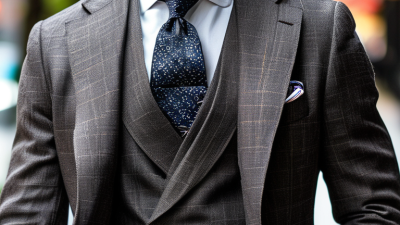
Assess Fit, Proportions, and Comfort

How to Choose the Best Suit Jackets in 2026? Assess Fit, Proportions, and Comfort

A jacket can look sharp on a hanger and feel restrictive in motion. Check the shoulder seam: it should meet your shoulder edge without dimpling or extending past it. Button the jacket, then sit, reach forward, and lift your arms. The chest should stay smooth, with no sharp pulling around the button. A mirror can flatter. Movement is less forgiving.

Fit is personal because bodies do not follow one standard pattern. The SizeUSA national anthropometric survey recorded 3D body scans for roughly 10,000 adults, documenting wide variation in body measurements. ASTM’s D5585 and D5586 standards also provide separate measurement tables for adult women and men. Use size labels only as a starting point. Compare shoulder width, chest ease, jacket length, and sleeve length against your own proportions. A slightly shorter jacket may balance a longer torso; a fuller chest may need more room without excess fabric at the waist.

Comfort matters throughout the day. Try the jacket over the shirt you expect to wear, and check that the collar rests against your neck when you move. Sleeves should reveal a small, consistent amount of shirt cuff. Walk, sit, and take a deep breath. If the lining catches or the back pulls, the fit needs reconsideration. I would not trust a perfect-looking front alone. A jacket should feel easy, not merely photograph well.

Compare Fabrics, Construction, and Seasonal Needs

A suit jacket earns its place through fabric, construction, and climate comfort—not a label. For warm months, look for breathable wool, linen, or a lightweight blend, with enough open weave to release heat. A tropical-weight fabric can feel cooler, though it may crease more readily.

Textile Exchange’s Materials Market Report 2024 estimates global fiber production reached 124 million tonnes in 2023, with polyester accounting for 57%. That figure describes the wider textile market, not jacket quality; fiber choice alone cannot tell you how a garment will wear.

Construction matters just as much. A half-lined jacket often feels less restrictive in summer, while a fuller lining can help a jacket slide over knitwear in colder weather. Check the shoulder seams, lapel roll, and button area: puckering or pulling can signal poor fit or finishing.

Fit tells the truth. For winter, a denser wool cloth and a softly structured shoulder can add warmth without making movement difficult. In spring and autumn, a midweight fabric offers flexibility across changing temperatures. I would not assume “unlined” always means cooler; weave, fit, and your daily commute all affect comfort.

Sit, reach forward, and wear the jacket over the shirt or sweater you actually plan to use. Small details matter.

Choose a Style, Color, and Level of Formality

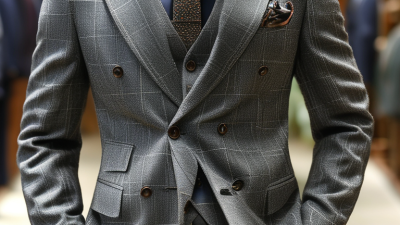
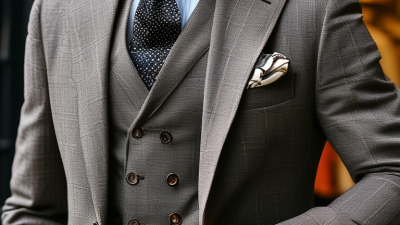
A suit jacket should fit your usual settings, not just look impressive on a hanger. A single-breasted style works for many offices and events; a double-breasted cut feels more formal and makes a stronger visual statement. For relaxed days, an unstructured jacket with softer shoulders pairs easily with chinos. Fit comes first. Check that the shoulder seam sits near your shoulder edge and the collar lies flat when you move.

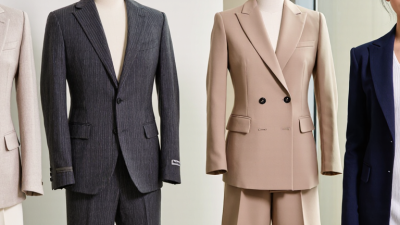
Color shapes how often you will wear the jacket. Navy and charcoal are dependable choices for work, interviews, and evening occasions. A medium-brown or olive jacket can add warmth, especially in textured fabrics like tweed. Try it in daylight: indoor lighting can make a shade look different. I once favored a striking pattern that rarely matched my trousers. It was a useful reminder that versatility matters.

Let the event guide the level of formality. A smooth, dark wool jacket with a crisp shirt suits a formal meeting; a textured jacket and open-collar shirt feel less rigid. Pay attention to the details: shiny buttons, sharp lapels, and a structured shoulder can make a jacket read dressier. Check the dress code, then consider what you already own. A jacket that coordinates with your shoes and trousers will earn more wear than one chosen for appearance alone. Fits vary, so sit, reach, and button it before deciding.

Evaluate Versatility, Care, and Long-Term Value

For a suit jacket in 2026, start with the week you actually have. A navy or charcoal jacket with simple buttons can work with matching trousers, chinos, or dark denim. Check the shoulders in daylight, then sit and reach forward. If the sleeves pull or the collar lifts, frequent wear will feel like a compromise. Fit matters most.

Care affects long-term value. Look for a clear care label, durable lining, and seams that allow modest alterations. Brush off dust after wearing, air the jacket overnight, and avoid unnecessary cleaning. WRAP’s Valuing Our Clothes report estimated that extending clothing use by nine months could cut its carbon, water, and waste footprints by around 20–30%. That estimate covers clothing broadly, not suit jackets alone, so treat it as useful context rather than a jacket-specific guarantee.

Compare cost per wear, not just the ticket price: divide the price by realistic wears over several years. A jacket worn weekly may justify better construction; an occasional-event piece may not. Check whether buttons, lining, and hem allowances can be repaired locally. There is a trade-off: a versatile jacket may see more use, but a delicate fabric can demand more care. I would not assume “premium” means durable without inspecting the stitching and fabric.