7 Essential Tips for Buying Suit Jackets
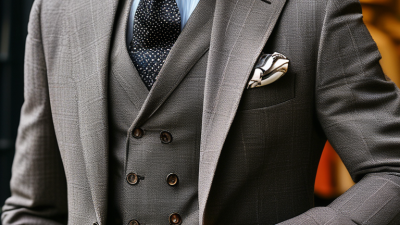
A suit jacket can sharpen an outfit, but a polished look starts with comfort and proportion. Many shoppers focus on the label or color and overlook the fit. Check how the shoulders sit, whether the collar rests close to your neck, and whether the front closes without pulling. Sleeves should reveal a little shirt cuff, not cover your hands. Small details matter. A jacket that looks impressive on a hanger may feel stiff once you move.
These seven essential tips for buying Suit Jackets will help you assess fit, fabric, construction, and value before you commit. Consider where you will wear the jacket, how often, and what you already own. A lightweight wool option may suit a warm office, while a textured fabric can feel more relaxed for casual settings. Inspect the seams, buttons, lining, and lapels, but do not assume a higher price guarantees better workmanship. Try sitting, reaching, and buttoning the jacket; comfort can change with movement. No checklist replaces a proper fitting. Even careful shoppers can miss a small issue, and some details are easier to judge after a second look. Use these practical checks to narrow your options and choose a jacket that feels right for your body, wardrobe, and budget.

Determine the Occasion and Dress Code
Before choosing a suit jacket, identify where you will wear it and what the invitation actually says. A jacket for a weekday office may need to look polished under bright lights and feel comfortable through a long commute. A wedding, interview, or evening event can call for a different level of formality. Check the dress code wording, venue, time of day, and season. If the invitation is vague, ask the host or organizer rather than guessing.
For business settings, a dark, solid jacket usually pairs easily with tailored trousers and a light shirt. For a relaxed gathering, softer fabric or a subtle pattern may feel more natural. Black-tie events generally require formal eveningwear, not an ordinary business suit jacket. Details matter. Look at the lapels, buttons, fabric weight, and how the jacket sits when you move. Try it with the shoes and trousers you plan to wear; a jacket can look right on a hanger and wrong as a full outfit.
Fit still matters, but occasion comes first. A sharply fitted jacket may feel out of place at a casual outdoor event, while a loose, textured one may seem underdressed at a formal dinner. There is some judgment involved. Dress codes are not always clear, and people sometimes interpret them differently. When unsure, choose a modestly more formal option that suits the setting, then check that you can sit, walk, and raise your arms without pulling at the shoulders.
Choose a Suit Jacket That Matches the Occasion
Use this editorial guide to gauge how formal your outfit should be: 1 is relaxed and 5 is most formal. Check the invitation’s dress code first, then choose your jacket style, fabric, and accessories accordingly. Ratings are practical guidance, not survey results.
Choose a Suitable Fabric and Season
Choose fabric for the weather you actually face, not just the season on the calendar. In cool months, a medium-weight wool jacket offers warmth and a clean drape. Heavy cloth may feel comfortable outdoors but stifling in a heated office. Too warm, too soon. For warmer days, lightweight wool breathes well and resists wrinkles better than many natural alternatives. Linen feels airy, though it creases quickly; cotton is versatile but can feel heavier in humidity.
Think about where you will wear the jacket, too. A long commute, crowded train, or sunny walk can make fabric choice matter more than the forecast suggests. Hold the cloth toward a light source and feel its weight; check whether the lining adds unnecessary warmth. A breathable half-lining can help in mild weather, while a fuller lining may suit colder conditions. Fabric labels are useful, but blends vary, so do not rely on the fiber name alone. It is easy to choose a crisp-looking summer jacket and regret it after an hour in the sun. Consider your local climate, indoor temperature, and how often you will wear the jacket before deciding.
Check the Fit Across Key Measurements
A suit jacket can look sharp on a hanger and still feel wrong when you move. Check the shoulders first: the seam should sit near your natural shoulder edge, without dimples or overhang. The chest should close smoothly, with no X-shaped pulling around the button. You should be able to slide a flat hand inside, but excess room can make the front look loose. Fit varies with posture and personal preference, so use these checks as guides, not rigid rules.
Tip: Button the jacket and sit down. If the front strains or the armholes pinch, try another size or cut. Raise your arms gently, too. A little movement is useful; a jacket that rides up sharply may be too tight.
Next, check sleeve and jacket length. With your arms relaxed, the sleeve should usually show a small strip of shirt cuff. The jacket should cover your seat without making your legs appear unusually short. I’ve seen people focus so closely on sleeve length that they miss a tight back. That’s an easy mistake. Reach forward and hug yourself lightly; the fabric should allow movement without bunching hard across your shoulder blades. If most measurements work but one area feels off, a tailor may be able to refine it. Try the jacket with the shirt you expect to wear, since fabric thickness changes the feel.
Compare Construction, Details, and Versatility
A suit jacket can look polished on a hanger and still feel wrong after an hour of wear. Compare its construction first: a half-canvas or full-canvas front often moves more naturally with the body, while a fused front can feel firmer and may suit a tighter budget. Neither choice guarantees a good fit. Check whether the shoulders lie flat, the collar touches your shirt, and the jacket closes without pulling across the chest. A few careful movements in the fitting room can reveal more than a mirror pose. I have caught myself focusing on the fabric and missing a tight armhole. Small details matter.
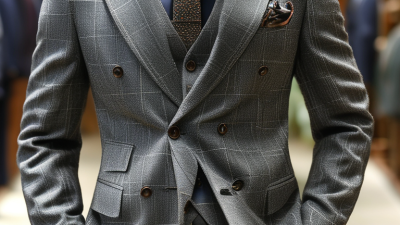
Look closely at the lapel shape, button placement, lining, and pocket style. Neat stitching and buttons sewn securely are practical signs of care, though they do not tell the whole story. Then consider versatility: a dark navy or charcoal jacket with restrained details can work with matching trousers, but also with chinos or a fine-knit sweater. A bold pattern may be appealing, yet harder to wear across different settings. Not always. Think about your usual week, the climate, and whether you need room for a layer underneath. Even a well-made jacket can sit unused if it feels too formal for your everyday clothes.
Set a Budget and Inspect Before Buying
Set a firm budget before browsing, and include alterations in the amount you can spend. Sleeve or waist adjustments may be manageable, but major shoulder changes can be costly or difficult. Leave room for that expense. A low price can look tempting, yet it means little if the jacket needs extensive work. Not just the price.
Inspect the jacket in bright, natural light. Check the seams for loose threads, the buttons for wobbling, and the lining for tears or pulled stitches. Look closely at the collar and lapels; they should lie flat rather than buckle or twist. Small details matter. Run your hand over the fabric to notice thin spots, rough patches, or uneven wear, especially around the cuffs and pockets.
Try it on with a shirt similar to the one you expect to wear. Fasten the front, then sit and reach forward. The jacket should feel comfortable without pulling sharply across your back or chest. Check that the shoulder seams end near your natural shoulders, though body shapes vary. A mirror can help, but it is not a fitting expert. I sometimes find that a jacket looks fine standing still and feels restrictive after a few minutes. Take your time. If a flaw is hard to judge, ask a tailor before buying.

 +86 15968093247
 CONTACT NUMBER
 CONTACT e-mail