How to Choose the Perfect Suit Jackets for Your Business Needs?
Choosing the right suit jackets can dramatically impact your business attire. Fashion expert John Taylor once stated, “The perfect suit jacket speaks before you do.” This highlights the importance of making a strong impression in a professional setting.
Suit jackets come in various styles and materials, which can suit different business needs. For instance, a tailored wool jacket offers a classic look. On the other hand, a lightweight linen option is great for warmer climates. The fit is crucial. A well-fitted jacket enhances your silhouette and boosts your confidence.
However, selecting suit jackets can be overwhelming. With many choices, it's easy to feel lost. Consider your workplace culture. A conservative environment may require traditional colors, while a creative space allows bolder options. Balancing style and professionalism is key, but don’t hesitate to experiment. It's essential to reflect on your personal style, ensuring your suit jackets remain authentic to you.
Understanding Suit Jacket Fabrics for Different Business Settings
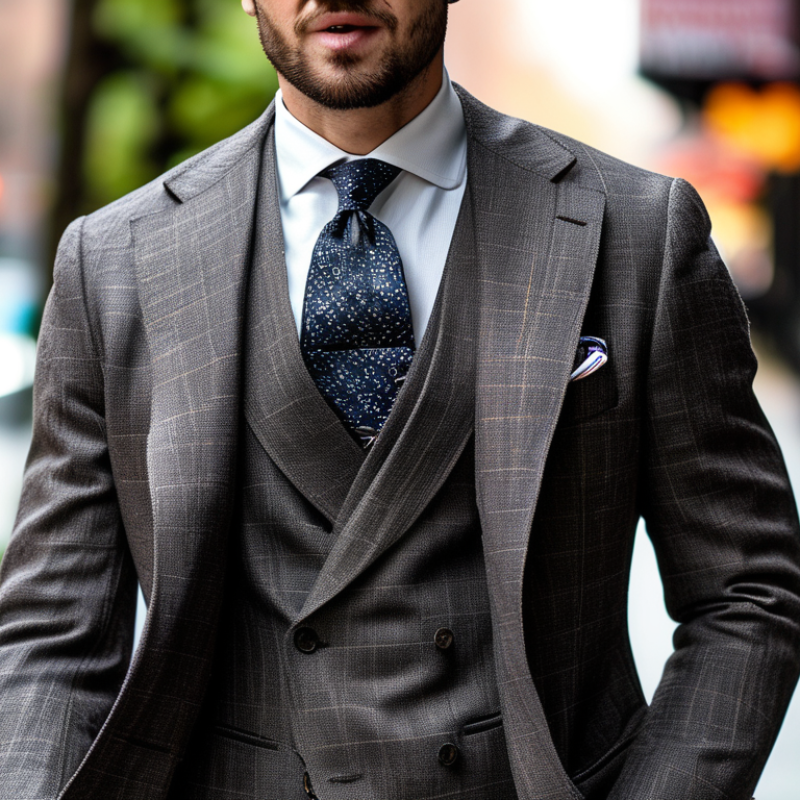
Choosing the right fabric for suit jackets can immensely impact your business image. Wool is a traditional favorite, known for its versatility and durability. It breathes well in various climates and maintains its shape. According to a recent survey by the Textile Society, over 50% of professionals prefer wool for its enduring quality and comfort.
Cotton is another popular option, especially in casual business settings. It offers breathability and a softer feel. However, it tends to wrinkle more than wool, which may require more frequent ironing. Reports show that 30% of office workers believe cotton suits are more comfortable but less formal.
There's also the emerging trend of blended fabrics. These combine the best features of different materials. They can be lighter and more resistant to wrinkles. However, they may lack the classic silhouette that pure wool offers. Reflecting on these aspects can help you decide what to prioritize for your needs. What suits one individual might not work for another. Keeping your specific business environment and personal style in mind is crucial.
Suit Jacket Fabric Types for Business Settings
Identifying the Right Fit: Tailored vs. Off-the-Rack Suit Jackets
When choosing between tailored and off-the-rack suit jackets, the fit is paramount. Tailored jackets offer a customized experience. They are made specifically for your body shape and size, ensuring a perfect fit. According to a study by the Savile Row Bespoke Association, 85% of surveyed clients stated that tailored suits enhanced their overall confidence. Tailoring can accommodate unique body dimensions, making it an excellent choice for those who struggle with standard sizing.
On the other hand, off-the-rack jackets provide convenience and varying styles. They are readily available in stores and often cost less. Data from the Market Research Institute shows that around 70% of professionals prefer off-the-rack options due to their affordability. However, such jackets may not cater well to individual proportions. The fit can be uneven, sometimes leaving excess fabric in places like the shoulders or torso. Many buyers are often disappointed after trying on multiple styles but not finding that perfect match.
Both styles have their advantages and drawbacks. It's essential to consider how often you'll wear the suit. For frequent use, investing in tailored options might be wise. Think about situations where impression matters most. Sometimes, a stylish off-the-rack jacket may suffice for less formal settings. Ultimately, the decision rests on your specific needs and preferences.
Choosing the Appropriate Color and Pattern for Your Professional Image
Choosing the right color and pattern for your suit jacket is essential for creating a professional image. According to a report by the Journal of Fashion Marketing, nearly 70% of hiring managers believe that attire influences their perception of candidates. Colors convey different messages. For example, blue symbolizes trust and dependability, while gray represents professionalism.
Patterns can also impact how you are perceived. Subtle patterns, like pinstripes, can add depth. However, bold patterns may distract from your message. A study by the American Psychological Association indicated that people wearing solid colors are often taken more seriously in business settings. It's crucial to consider the context. Some industries may value creativity over conformity, allowing for more vibrant choices.
However, be mindful of overcomplicating your wardrobe. Choosing too many colors or loud patterns can confuse your audience. Reflect on whether your choices align with your brand image. The right jacket should enhance, not detract from your professionalism. Seek out fit and fabric quality as well. Every detail matters in crafting a compelling presence. This will require ongoing adjustments as trends evolve.
How to Choose the Perfect Suit Jackets for Your Business Needs? - Choosing the Appropriate Color and Pattern for Your Professional Image
| Color |
Pattern |
Occasion |
Recommended Fit |
| Navy Blue |
Solid |
Business Formal |
Tailored |
| Charcoal Gray |
Pinstripe |
Client Meetings |
Slim Fit |
| Light Gray |
Checkered |
Networking Events |
Regular Fit |
| Black |
Solid |
Formal Events |
Classic Fit |
| Beige |
Windowpane |
Casual Fridays |
Comfort Fit |
Selecting Features: Pockets, Lining, and Buttons for Functionality
Selecting the right suit jacket involves careful consideration of features that enhance functionality. Pockets are essential. Consider the type and placement of pockets. A classic jacket might have flap pockets, while a more modern design could incorporate welt pockets for a sleeker look. Ensure the pockets are accessible, but not too bulky. They should enhance the jacket’s silhouette, without adding unnecessary weight.
Lining plays a crucial role in comfort and movement. A well-constructed lining allows for breathability. Check if it’s made from a smooth fabric that glides over your shirt. This can prevent unwanted bunching and enhance your overall look. However, be cautious. Some linings may not hold up over time, leading to a less polished appearance.
Buttons also affect the jacket’s style and functionality. Opt for buttons that are easy to fasten and unfasten. Consider their placement, as this affects the jacket's fit. Experiment with different styles. Some find two-button jackets offer versatility, while others may prefer three-buttons for tradition. It’s all about personal preference. Aim to choose what feels right for you.
Budgeting Tips: Finding Quality Suit Jackets Within Your Price Range
When selecting a suit jacket, budgeting is key. Research indicates that high-quality suit jackets can range from $300 to $1,500. Yet, finding the right balance between quality and affordability is essential. Many professionals delegate suit shopping to high-end brands, overlooking alternatives that provide excellent craftsmanship at a fraction of the price.
Tip: Set a budget that reflects your income and needs. Analyze your work environment. For example, if you wear a suit daily, consider investing more. In contrast, occasional wear allows for a tighter budget. A survey by the American Apparel & Footwear Association reveals that 65% of consumers want quality over price. Use this mindset when hunting for deals.
Exploring lesser-known retailers may reveal undiscovered gems. Pay attention to fabric quality and fit. A well-fitted jacket can elevate any outfit. But remember, price tags can be misleading. Some inexpensive options offer durability and style. Use peer reviews and expert testimonials to guide purchases. Always ask for return policies if the fit isn't right.

 +86 15968093247
 CONTACT NUMBER
 CONTACT e-mail