2026 How to Choose the Best Fleece Clothing for Your Outdoor Adventures?
Choosing the right fleece clothing for outdoor adventures can significantly impact your experience. According to a report by the Outdoor Industry Association, sales of fleece clothing have grown by over 12% in recent years, highlighting its popularity among outdoor enthusiasts. Fleece clothing offers warmth, breathability, and moisture-wicking properties, crucial for various weather conditions.
Expert Mark Harris, a renowned outdoor gear specialist, emphasizes, "Quality fleece clothing can elevate your outdoor experience." This highlights the importance of selecting the right materials and designs. Many consumers face challenges in differentiating between various fleece types. With so many options available, it's easy to feel overwhelmed.
Look for fleece clothing with features tailored to your needs, such as weight, durability, and fit. While fleece is generally a reliable choice, not all products offer the same level of performance. It's essential to reflect on what works best for you and your specific adventures. More than just a fashion choice, fleece should serve a functional purpose in your outdoor gear arsenal.
Understanding Fleece Materials: Types and Their Properties
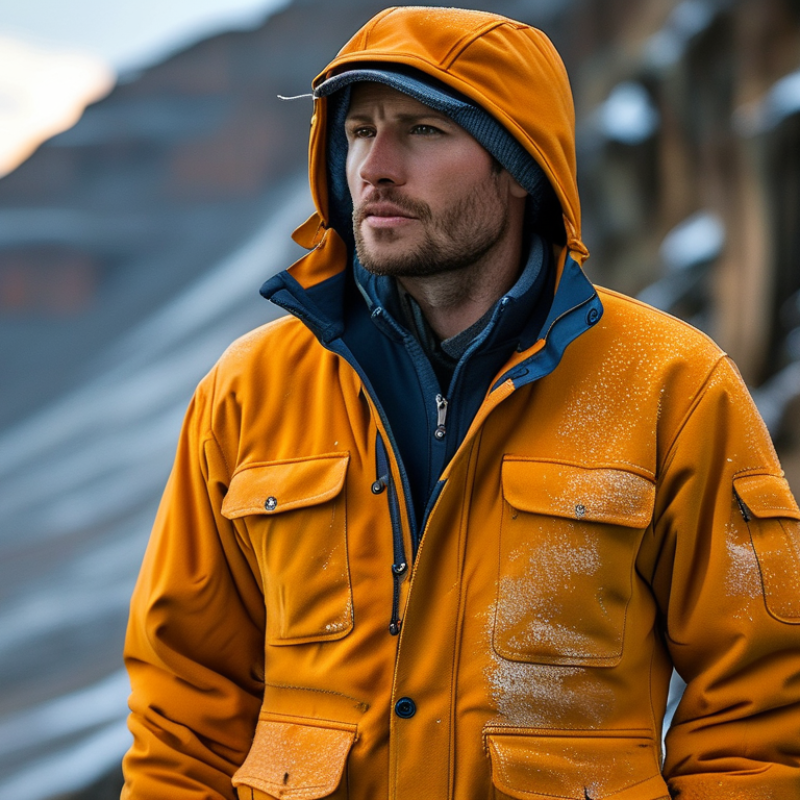
When choosing fleece clothing for outdoor adventures, understanding the materials is crucial. Fleece is known for its warmth and lightweight properties. There are different types of fleece that serve various needs. For example, Microfleece is soft and breathable. It is perfect for layering in cool temperatures. On the other hand, Heavyweight fleece provides more insulation, making it ideal for colder climates.
Different fleece fabrics have unique properties. Some are moisture-wicking, which helps keep you dry during strenuous activities. Others are designed to be wind-resistant, adding extra protection against the elements. Consider how you will be using the fleece. If you're hiking, look for options that allow freedom of movement. If you plan to sit by the campfire, something cozier might be better.
Not all fleece is created equal. Some may pill after multiple washes, impacting durability. You might encounter issues with breathability or weight, depending on the type. Choosing fleece with the right characteristics can make a difference. Consider your needs carefully before making a decision. Ensure the fabric aligns with your adventure goals. Reflecting on past experiences can inform better choices for the future.
Identifying Your Outdoor Activity Needs for Fleece Clothing
Choosing the right fleece clothing for outdoor adventures starts with understanding your specific needs. Are you hiking, camping, or engaging in winter sports? Different activities require varying levels of insulation and breathability. For instance, if you’re hiking in mild weather, a lightweight fleece is ideal. It offers warmth without adding bulk. In contrast, for colder climates, a thicker fleece would be more suitable.
Consider the layer system in your choices. A good base layer made from moisture-wicking fabric will keep you dry and warm. Mid-layers should be versatile and may include fleece jackets or pullovers. These pieces should provide adequate warmth without restricting movement. Pay attention to the fit. If it’s too tight, it may hinder your mobility; if it’s too loose, it may not retain heat effectively.
Reflect on past experiences as well. Have you been too cold on a trip? Did excess sweating ruin your comfort? It's key to learn from these situations. Look for fleece clothing that allows for ventilation, especially during high-energy activities. Remember, it’s not just about warmth; it’s about comfort and functionality in diverse outdoor settings. Making educated choices will enhance your outdoor experience significantly.
Evaluating Fleece Clothing Features: Warmth, Breathability, and Weight
When choosing fleece clothing for outdoor adventures, three features are crucial: warmth, breathability, and weight. According to the Outdoor Industry Association, lightweight fleeces weigh between 150 to 300 grams per square meter, providing a balance between insulation and comfort. Warmer fleeces, however, can be substantially heavier. Selecting the right weight depends on your specific needs and activities. For example, if you’re hiking in cold conditions, a heavier fleece might be necessary.
Breathability is another important characteristic. Good fleece should allow moisture to escape, keeping you dry. A study by the Journal of Textile Science found that fabrics with higher breathability prevent overheating during strenuous activities. Look for fleeces with a moisture-wicking ability, especially if you're planning to engage in high-energy pursuits.
Tips for choosing the right fleece: Opt for a fabric with at least 85% polyester for durability. Test the fit; too loose may trap air, while a tight fit can restrict movement. Don’t overlook the maintenance; some fleeces lose insulation after washing. Reflecting on these factors can improve your outdoor experience significantly.
2026 How to Choose the Best Fleece Clothing for Your Outdoor Adventures?
| Fleece Type |
Warmth (Rating) |
Breathability (g/m²) |
Weight (g) |
Best Use |
| Micro Fleece |
3 |
300 |
250 |
Layering, cool weather |
| Midweight Fleece |
4 |
250 |
500 |
Hiking, outdoor activities |
| Heavyweight Fleece |
5 |
150 |
700 |
Cold weather, camping |
| Polartec® Fleece |
4.5 |
350 |
450 |
Performance activities |
Fit and Comfort: How to Choose the Right Size in Fleece Gear
Selecting the right fleece clothing is crucial for comfort during outdoor adventures. Fit and comfort are often overlooked but can significantly affect your experience. According to a report from the Outdoor Industry Association, 60% of outdoor enthusiasts consider comfort their top priority when choosing gear. Fleece layers should provide insulation while allowing freedom of movement.
When selecting fleece gear, pay close attention to sizing. Different brands and styles can vary widely. A survey by the American Society for Testing and Materials found that 70% of consumers wear a size smaller than expected. To avoid the frustration of ill-fitting gear, measure your chest, waist, and hips before making a purchase. You want a snug fit that doesn’t constrict movement.
Consider the type of outdoor activity you'll engage in. Hiking requires more flexibility than sitting by a campfire. With fleece, think about layering. Too tight can lead to overheating while too loose may expose you to the elements. Take time to try various options and reflect on how each feels in action. Comfort can make or break your outdoor experience.
Fleece Clothing Fit and Comfort Ratings for Outdoor Activities
Care and Maintenance Tips for Longevity of Fleece Clothing
Caring for fleece clothing is crucial to maintain its warmth and performance. Regular washing is essential. Use cold water and a gentle detergent. Hot water can harm the fabric. Avoid fabric softeners; they can reduce breathability. When drying, choose low heat or air dry. High heat damages fleece fibers and causes pilling.
Storage is another key aspect. Keep fleece clothing in a cool, dry place. Avoid damp areas, as moisture can lead to mildew. Fold fleece instead of hanging it. This helps retain its shape. Check for wear and tear periodically. Small holes can worsen if ignored.
Not all cleaning methods suit every fleece. Some fleece may need special care. Test a small area with a new detergent first. If unsure, consult the care label. Taking time to care for your fleece extends its life. It enhances your outdoor adventures, keeping you warm and comfortable.

 +86 15968093247
 CONTACT NUMBER
 CONTACT e-mail