How to Choose the Best Winter Coats for Global Buyers?
Choosing the right winter coat is essential for comfort and style. The winter coats market offers a variety of options, catering to different tastes and climates. Renowned fashion expert Jane Smith once said, "A good winter coat is an investment in both warmth and confidence." Her insight emphasizes the importance of selecting a coat that balances practicality and aesthetics.
This decision can be overwhelming. With countless styles, fabrics, and brands to consider, buyers may feel lost. Quality materials ensure durability. Look for insulation types like down or synthetic. These details can make a significant difference in performance. Additionally, pay attention to fit. An oversized coat may lack warmth, while a tight fit could restrict movement.
Winter coats are more than just protection against cold; they reflect personal style. However, it's crucial to avoid impulse purchases. Some coats may look great but fail to provide the needed warmth or function. Reflecting on what truly matters can enhance both comfort and confidence in winter attire.
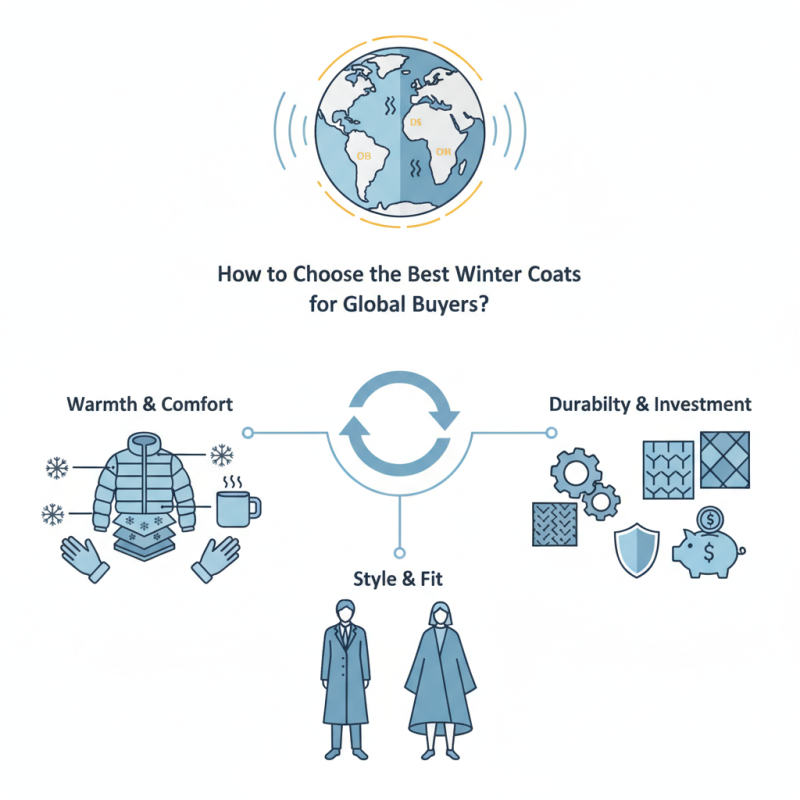
Understanding Different Types of Winter Coats Available on the Market
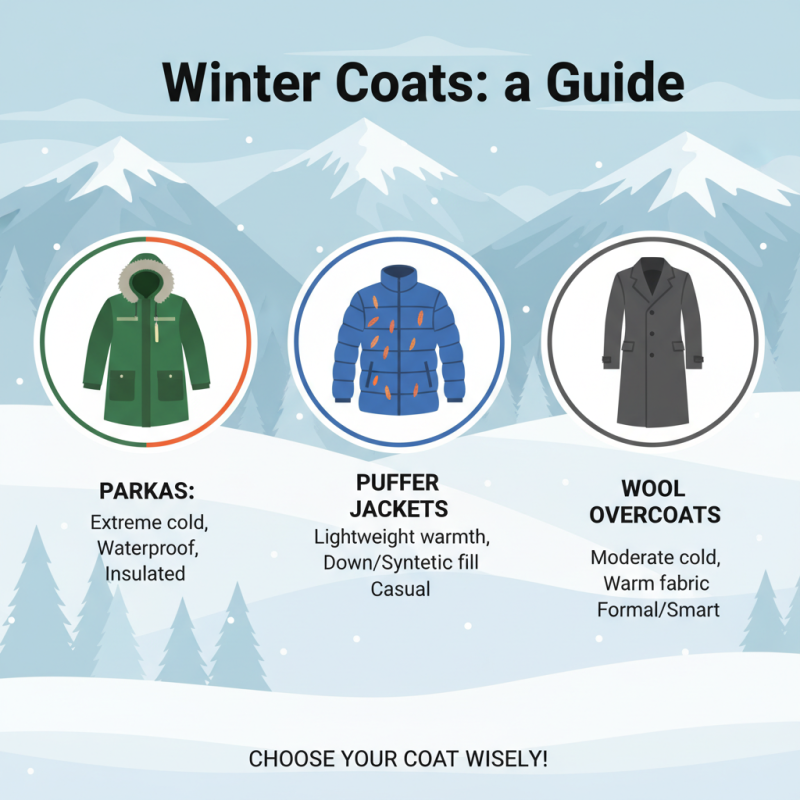
When choosing the best winter coats, it's essential to understand the various types available. Key coat styles include parkas, puffer jackets, and wool overcoats. Each style offers different features suitable for various climates and activities. For instance, parkas typically provide excellent insulation and are often waterproof. Conversely, puffer jackets, filled with down or synthetic materials, offer lightweight warmth, perfect for casual outings.
Research indicates that global coat sales are projected to reach $25 billion by 2025, highlighting the importance of making informed choices. Many buyers prioritize functionality and style, leading to a diverse market. Wool overcoats are favored for formal occasions due to their classic appearance, while urban dwellers might opt for trendy, insulated designs that offer both warmth and fashion.
Tip: Consider your primary use for the coat. Whether for outdoor activities or daily commuting, the right features matter.
It's essential to note the importance of fit and comfort. A coat that fits well keeps warmth in and cold out. Buyers sometimes overlook this aspect, leading to dissatisfaction. Trying coats in-store can help gauge comfort levels effectively.
Tip: Always check the layerability of your chosen coat. Will it accommodate thicker sweaters beneath? This is a crucial factor in maximizing warmth without sacrificing mobility.
Key Factors to Consider When Selecting a Winter Coat
When selecting a winter coat, consider your climate and activities. Different environments demand different levels of insulation. For instance, a coat suitable for a humid winter might not work in a dry, snowy region. Look for breathable materials that maintain warmth without causing overheating.
Fit is crucial. A well-fitting coat traps heat effectively. Ensure it allows for layering underneath. Take your measurements or try on several styles to find what suits your body type. A coat that is too tight or too loose will not provide the protection you need.
Tips: Always test the coat's insulation by feeling the material. Look for zippers and buttons that function smoothly. Don’t overlook details like pockets, hoods, and cuffs. Functionality makes a good coat great. Make a checklist of what features are essential for your lifestyle. This can prevent impulse buying and lead to a more satisfying purchase.
Materials and Insulation: What Keeps You Warm?
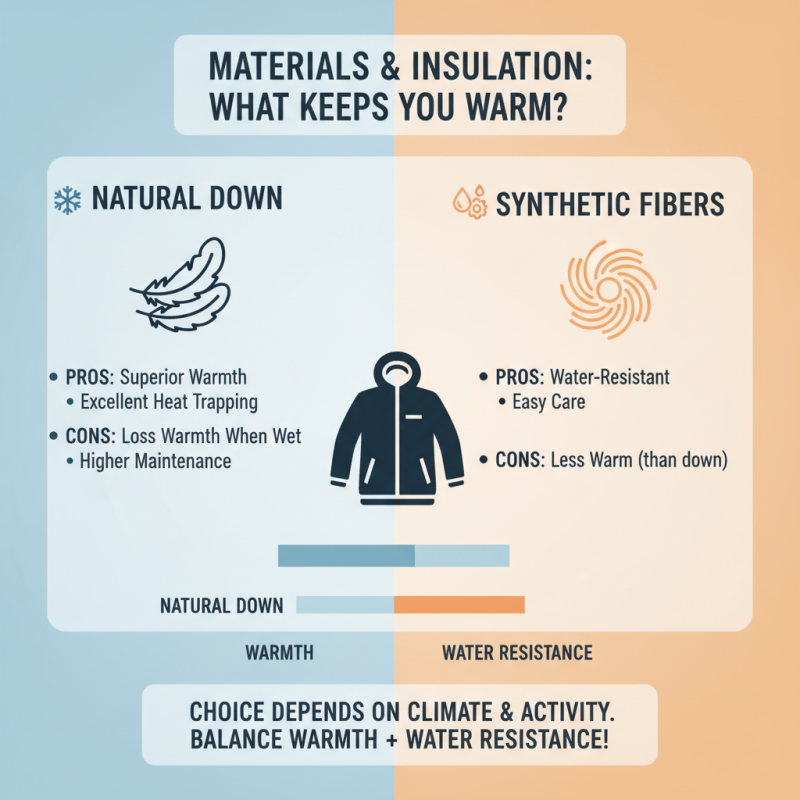
When selecting a winter coat, the choice of materials and insulation is vital for warmth and comfort. Natural materials like down provide excellent insulation, trapping heat efficiently. However, they may lose insulating properties when wet. Synthetic options, while not as warm, offer better water resistance and are often easier to care for. Balancing these factors is crucial for different climates.
Another aspect to consider is the coat's construction. Some coats feature additional insulation layers or thermal linings for extra warmth. Pay attention to the weight of the coat as well. Heavier coats can feel bulky, sometimes restricting movement. Opting for a lightweight option might sacrifice some warmth but enhance mobility.
Lastly, individual preferences vary. A coat that works for one person may not suit another. Personal experiences shape these choices. Reflecting on your needs will guide you. Consider the typical weather in your area and your daily activities. Being honest about what you require will lead to a more satisfying purchase.
Sizing and Fit: Ensuring Comfort in Cold Weather Gear
Choosing the right winter coat is vital for comfort in cold weather. One of the most important factors to consider is sizing and fit. A coat should not be too tight or too loose. Overly tight coats restrict movement. Loose coats may let in cold air. Finding the right balance is key.
When trying on coats, pay attention to the shoulder fit. The seams should align with your actual shoulders. The sleeves should allow for movement without feeling bulked up. Length matters too. A coat that’s too short can leave your midsection exposed. A longer coat should cover your rear while still allowing for mobility.
Consider how many layers you will wear underneath. If you plan on wearing bulkier sweaters, choosing a size up may be wise. Be mindful of the fabric. Some materials may not stretch, while others provide more flexibility. Remember, comfort is personal. Take your time to find what works for you.
Winter Coats Size Distribution Among Global Buyers
Evaluating Style and Functionality for Wintry Conditions
Choosing the right winter coat involves more than just style. Functionality is crucial, especially in harsh conditions. According to a report by the Outdoor Industry Association, 54% of consumers prioritize warmth over fashion when selecting winter gear. Understanding insulation types is vital for effective cold-weather wear. Down insulation offers excellent warmth but can be less effective when wet. Synthetic alternatives, however, provide moisture resistance and retain heat even when damp.
The fit and design of a coat matter too. A snug but comfortable fit can enhance warmth retention. Layering potential is essential for versatility; you might need to add layers in extreme conditions. The fabric's breathability impacts comfort during physical activity. The right coat should balance warmth, style, and practicality. A survey by Statista found that 66% of consumers consider windproof and waterproof features essential. This functionality ensures that the coat performs well under various weather conditions.
Moreover, while aesthetics can attract buyers, it's wise to reflect on the coat’s longevity. The best choices are not always the most expensive. Many buyers overlook the importance of material durability. Investing in a coat designed to withstand wear can lead to better long-term value. In a market flooded with options, balancing these elements is key to a satisfying purchase.
How to Choose the Best Winter Coats for Global Buyers?
| Coat Type |
Material |
Insulation Type |
Style |
Water Resistance |
Price Range |
| Puffer Coat |
Nylon |
Down/Feather |
Casual |
High |
$100 - $300 |
| Trench Coat |
Wool Blend |
Synthetic |
Formal |
Medium |
$150 - $400 |
| Parkas |
Polyester |
Down |
Casual |
High |
$120 - $350 |
| Peacoat |
Wool |
Synthetic |
Semi-Formal |
Medium |
$100 - $250 |
| Overcoat |
Cashmere Blend |
None |
Formal |
Low |
$200 - $600 |

 +86 15968093247
 CONTACT NUMBER
 CONTACT e-mail