How to Choose the Best Velvet Fabric for Your Project?
Choosing the right velvet fabric can profoundly impact your project’s outcome. Expert designer Sarah Davis notes, “The texture of velvet can elevate any design when chosen wisely.” Velvet fabric is known for its luxurious feel and unique shimmer, making it a popular choice in fashion and interior design. However, not all velvet is created equal. The qualities vary greatly, leading to potential pitfalls for those unfamiliar with this material.
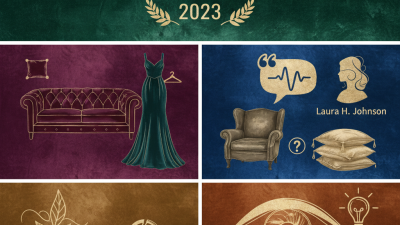
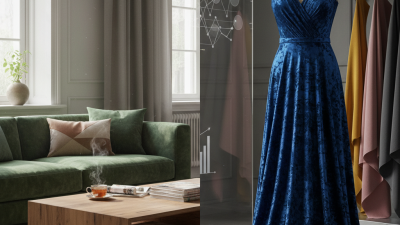
When selecting velvet fabric, consider the weight and composition. Heavier options provide more structure, while lighter ones drape elegantly. Additionally, the dyeing process affects the fabric's luster and durability. It’s essential to visualize how the velvet will function in your design. Is it a dress or a sofa? Each application demands a different quality of velvet.
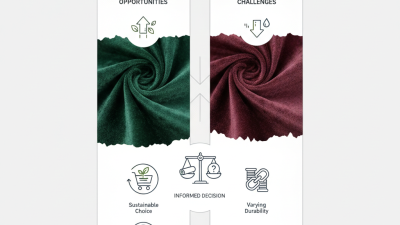
Mistakes can occur, such as choosing the wrong color or texture, which may lead to disappointment. Learning about velvet fabric requires time and experience. Reflecting on your choices will enhance your understanding and yield better results. Embrace the journey of selecting the perfect velvet fabric for your creative endeavors.
Understanding Different Types of Velvet Fabrics Available in the Market
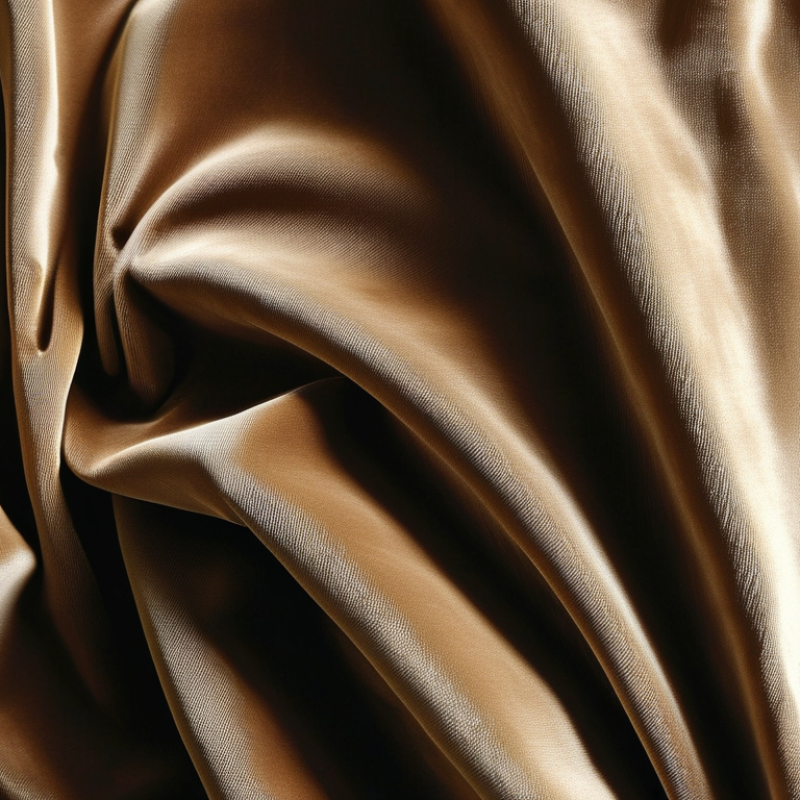
When choosing velvet fabric, it’s essential to understand the different types available. Velvet can be classified into several categories, including cotton, polyester, and silk. Each type has its own characteristics and uses. Cotton velvet, for instance, is soft and breathable, making it ideal for upholstery. Polyester, on the other hand, is durable and resistant to wrinkling, which is why it is often used in clothing and drapes.
Reports indicate that velvet fabric has seen a resurgence in popularity, particularly in home decor. According to a market analysis by Research and Markets, the global velvet market size is projected to reach $1.08 billion by 2027. This growth is fueled by increased consumer interest in luxury and texture in design. However, relying solely on market trends may overlook individual project needs.
Understanding the weight and pile of the velvet is also crucial. A heavier velvet can provide more structure, but it may be difficult to work with. In contrast, lightweight velvet offers fluidity but can lack durability. It’s vital to factor in how the final product will be used. This consideration may not always align with consumer trends, but practical usage should steer your choice.
Assessing the Texture and Weight of Velvet for Your Specific Project Needs
Choosing the right velvet fabric requires a deep understanding of its texture and weight. Velvet comes in various types, including crushed, stretch, and panne. Each type has a distinct feel, which can significantly impact your project. A report by the American Textile Manufacturers Institute highlights that the texture influences how light reflects off the fabric. This can affect the overall aesthetic of your finished piece.
When selecting velvet, consider the weight. Heavier velvets—often over 300 gsm—provide a luxurious drape, ideal for upholstery. However, lighter varieties, weighing around 200 gsm, are more suitable for garments. A study from the Textile Research Journal emphasizes that weight impacts durability and comfort. Upholstery projects benefit from denser fabrics, while lightweight options suit flowing dresses. Assessing these elements can lead to unexpected challenges.
Texture is subjective. Some may prefer a plush finish, while others might find it overwhelming. This personal preference should guide your choice. It’s crucial to feel the fabric and envision its application. Are you aiming for elegance or practicality? Ultimately, your project's demands will lead you to the right velvet. Think critically about how the fabric aligns with your vision.
Evaluating Color Options and Patterns in Velvet Fabric for Aesthetic Appeal
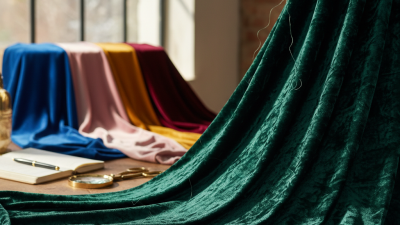
When selecting velvet fabric, color options and patterns play a crucial role in achieving aesthetic appeal. Velvet is revered for its luxurious texture and ability to enhance a space. According to recent industry reports, 65% of consumers prioritize color when choosing fabric, highlighting its importance. Deep hues like emerald green and rich burgundy remain trending choices, offering sophistication and warmth.
Patterns in velvet can dramatically alter a project’s vibe. Geometric designs are popular, especially in modern decor. A study by the Fabric Institute reveals that textured patterns can increase visual interest by over 40%. However, one must approach pattern selection carefully. Overly bold patterns may clash with existing decor, leading to visual chaos.
Additionally, it's essential to consider the fabric's weight. Heavier velvets add depth but may limit versatility. Lighter-weight options provide ease of use in diverse projects. According to design experts, a well-balanced selection between color, pattern, and weight ensures a harmonious outcome. Yet, the process of choosing might lead to confusion or regret if one isn’t well-informed. Each decision should reflect both personal style and practical needs. Choosing the best velvet requires thoughtful consideration.
Evaluating Color Options in Velvet Fabric
Considering Durability and Care Requirements of Velvet Fabrics
When selecting velvet fabric, durability and care requirements are crucial factors. Velvet is made from various fibers, such as cotton, silk, and polyester. Each type has different durability levels. For instance, polyester velvet is highly durable, with a wear resistance of around 100,000 rubs on the Martindale scale. This makes it ideal for high-traffic areas or frequent use.
On the other hand, silk velvet, while luxurious, has lower durability, often requiring special care to maintain its appearance.
Care requirements also vary significantly among velvet fabrics. Cotton velvet can typically be machine washed, making it easier to maintain. In contrast, silk velvet often needs dry cleaning to prevent damage. A study by the Textile Institute emphasizes that improper care can lead to shrinkage and discoloration. Cleaning methods must be chosen based on the fiber type to ensure the longevity of the fabric.
Choosing the right velvet involves understanding these nuances, as overlooking them can be detrimental to your project. In practice, durability and care should influence your selection process. While a softer, luxurious fabric might appeal to you, consider the long-term implications.
Evaluate wear needs, moisture exposure, and cleaning options. Reflecting on these aspects can lead to better decisions, ultimately enhancing the lifespan and beauty of your velvet project.
Budgeting and Sourcing: Finding Quality Velvet Within Your Price Range
When selecting velvet fabric for your project, budgeting is a critical factor. According to industry reports, velvet prices can vary from $10 to $100 per yard. This range depends on the quality and source. Quality velvet, characterized by its texture and durability, typically sits at the higher end of the spectrum. Allocating a realistic budget is essential.
Sourcing is another crucial aspect. Many retailers offer discounts on bulk purchases. Reports indicate that buying in larger quantities can reduce costs by up to 30%. However, always assess the fabric before committing. Not every bulk offering guarantees the best quality. Explore local fabric shops and online platforms for the best deals.
Material sourcing can also be affected by seasonal trends. Velvet often experiences price fluctuations dependent on demand during fashion seasons. Staying informed about market trends can help you anticipate changes. Look for sales during off-peak times to find better prices. Balancing quality and cost requires diligence. Always review fabric samples carefully before making a choice.

 +86 15968093247
 CONTACT NUMBER
 CONTACT e-mail