Top 10 Striped Fabric Trends You Need to Know About?
In the vibrant world of textiles, striped fabric stands out as a timeless staple. According to textile expert Sophia Rayner, “Striped fabric adds a dynamic edge to any design.” This insight highlights the importance of stripes in contemporary fashion and interior design.
Stripes have evolved, embracing various widths, colors, and textures. From bold nautical themes to subtle pastel patterns, striped fabric offers versatility. Designers explore innovative combinations, often reflecting personal styles and cultural influences. Each stripe tells a story, yet not every design resonates with everyone.
As we dive into the top ten trends in striped fabric, it’s vital to acknowledge the constant shifts in consumer preferences. Some may find themselves drawn to classic styles, while others chase the latest fashions. No single trend fits all, and understanding these nuances can lead to more thoughtful design choices. Embrace the power of stripes, but don’t forget to reflect on your own preferences too.
The Evolution of Striped Fabrics in Fashion History
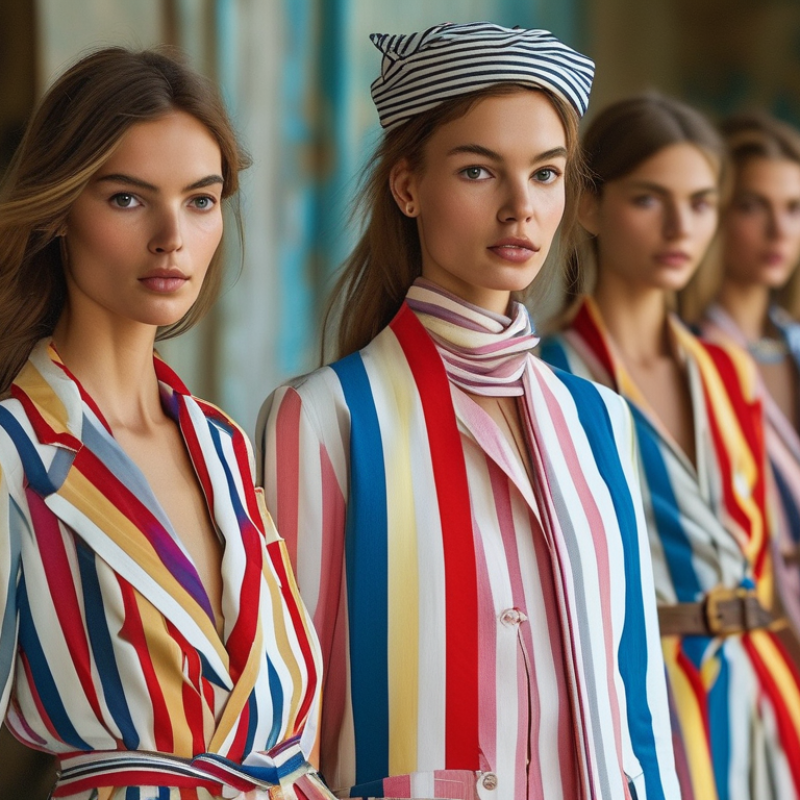
Striped fabrics have a rich history in fashion, evolving from naval traditions to high fashion runways. Initially popular in the 19th century, stripes were worn by sailors to increase visibility at sea. Over the decades, stripes transitioned to symbolize rebellion and elegance. In the 1920s, flappers embraced bold stripes, while the 1960s saw stripes as a symbol of counterculture. Today, their versatility continues to inspire designers.
According to a recent industry report, the global market for striped fabrics is expected to grow at a rate of 5% annually. This indicates a growing interest in timeless patterns, marrying tradition and modern trends. Stripes are not just a fashion statement; they reflect cultural shifts and consumer behavior.
Tips for incorporating stripes into your wardrobe: Start with simple pieces like striped tees or scarves. Experiment with mixing stripes of different widths for a bold look. Be cautious with vertical stripes, as they can sometimes create an overwhelming appearance. Consider fit and color coordination; not all stripes will complement your body shape.
Key Characteristics of Striped Fabrics: Patterns, Colors, and Textures
Striped fabrics are making a significant impact in the textile industry. Their key characteristics include bold patterns, vibrant colors, and varied textures. Patterns in striped fabrics can range from subtle pinstripes to bold, contrasting lines. Each design tells a unique story, adapting to various styles and preferences. This versatility allows stripes to fit into both casual and formal settings.
Colors play a crucial role in the appeal of striped fabrics. Classic black and white stripes never go out of style. However, brighter hues are becoming increasingly popular. Think of deep blues paired with warm oranges or soft pastels combined elegantly. The choice of color can influence the mood and vibe of the fabric.
Textures add another layer of complexity to striped designs. Smooth, sleek weaves bring a modern flair, while textured fabrics evoke a more rustic feel. The interplay of textures can enhance the visual appeal, drawing attention to the stripes themselves. Some fabrics may feel stiff, while others flow effortlessly. This variety may lead to challenges in selecting the right texture for specific projects. Ultimately, understanding these elements can elevate your fabric choices, inspiring creativity in your designs.
Top 10 Striped Fabric Trends You Need to Know About
Popular Uses of Striped Fabrics in Home Decor and Interior Design
Striped fabrics have become a staple in home decor and interior design. Their versatility can transform any space, adding both depth and character. Stripes can create a bold statement on accent walls or provide subtle elegance in upholstery. The right stripe can define a style, from nautical to modern chic.
Living rooms often benefit from striped curtains or cushions. These elements can introduce color and texture without overwhelming the space. For example, a striped sofa may serve as a focal point while harmonizing with the rest of the decor. In bedrooms, striped bedding offers a refreshing twist. It can evoke a sense of calm without sacrificing style.
Using stripes in smaller spaces, such as entryways, can also be rewarding. Vertical stripes may enhance the perception of height, making rooms feel more spacious. Yet, balance is key. Too many stripes can lead to chaos. It’s crucial to choose complementary colors and patterns. Reflecting on your choices can yield better results.
Current Trends in Striped Fabric Patterns for Clothing and Accessories
Striped fabric patterns continue to dominate the fashion scene in 2023. According to a recent trend report by the Global Textile and Apparel Research Group, striped designs have seen a 25% increase in consumer preference this year. This surge highlights a shift towards bold and versatile styles in both clothing and accessories.
In casual wear, broad stripes are particularly popular. They add a playful touch to basic styles. Meanwhile, fine stripes are often favored in more formal attire. This contrast encourages consumers to blend comfort with professionalism. Accessories, such as bags and scarves, are also embracing varied stripe widths. This reflects a consumer desire for unique fashion statements.
Despite the trend's popularity, it’s crucial to approach clothing choices mindfully. Not every stripe suits everyone. The silhouette and body shape play vital roles in how stripes appear on the wearer. Industry experts recommend testing different styles to find the most flattering options. Ultimately, striped fabrics offer many exciting choices for those willing to explore and experiment.
Sustainable Striped Fabric Options: Eco-Friendly Choices and Brands
Sustainable striped fabric options are gaining traction in the fashion industry. According to a recent report from the Ellen MacArthur Foundation, the global textile industry produces over 92 million tons of waste each year. This staggering figure highlights the urgent need for eco-friendly fabric choices. Consumers are increasingly seeking sustainable alternatives. Striped fabrics made from organic cotton or recycled polyester are becoming popular.
Several brands focus on using eco-friendly materials. They aim to reduce their carbon footprint. For example, organic cotton requires 91% less water than conventional cotton. This statistic shows the significant impact of choosing sustainable materials. Moreover, recycled polyester helps divert plastic waste from landfills. Stripes made from these materials can be stylish and responsible.
However, not all sustainable options are perfect. Some fabrics may still require chemical dyes or complex production processes. This raises questions about their true environmental impact. Consumers should consider investigating the entire supply chain. Transparency is vital in the quest for genuine sustainability. The stripe pattern can be a delightful style element, but the eco-friendliness of the fabric is crucial.

 +86 15968093247
 CONTACT NUMBER
 CONTACT e-mail