Top Lace Fabric Trends for Global Buyers in 2026?
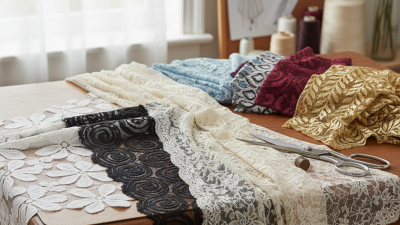
The world of fashion is ever-evolving, and the lace fabric industry is no exception. As we approach 2026, global buyers are keenly observing emerging trends that mold the future of lace fabric design. With its intricate patterns and delicate texture, lace fabric remains a staple in couture, ready-to-wear, and even home décor. Buyers must tap into both innovation and tradition to stay ahead.
Lace fabric is not merely about aesthetics; it represents craftsmanship and heritage. Designers experiment with colors, textures, and sustainability, making choices that influence how lace is perceived worldwide. However, this growing complexity calls for careful consideration. Trends may shift rapidly, leaving buyers grappling with the need for adaptability in their inventory.
As we examine the top lace fabric trends for 2026, it becomes essential to reflect on the direction of industry practices. Many companies face challenges in sourcing quality materials. Understanding these dynamics is crucial for informed decision-making. Buyers must balance style with reliability, ensuring their collections resonate with consumers while staying true to the essence of lace fabric.

Emerging Lace Fabric Designs Predicted to Dominate the Market in 2026
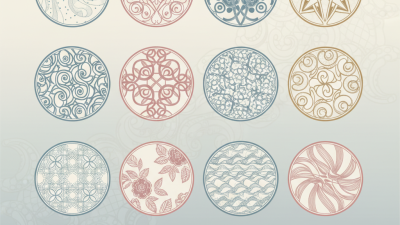
As we look ahead to 2026, the lace fabric market is poised for exciting transformations. Emerging designs promise to captivate global buyers. Patterns reflecting nature will gain popularity. Floral motifs and leaf-inspired textures will dominate. These designs evoke a sense of connection with the environment. Buyers will seek fabrics that tell a story, blending tradition with modern aesthetics.
Innovation in lace technology is also on the rise. 3D lace designs will offer a new dimension to fabric. These intricate layers will enhance visual appeal. The use of sustainable materials is becoming crucial. Fabrics made from organic fibers will attract eco-conscious consumers. This shift not only meets demand but also encourages ethical practices.
However, not all trends will be perfect. The balance between creativity and practicality can be challenging. Some designs may lack versatility for everyday wear. Buyers must carefully assess their choices. Trends are exciting, but they require mindful consideration. The lace fabric landscape in 2026 will be a blend of innovation and reflection, shaping the future of fashion.
Key Color Trends in Lace Fabrics for Fashion and Home Décor Buyers
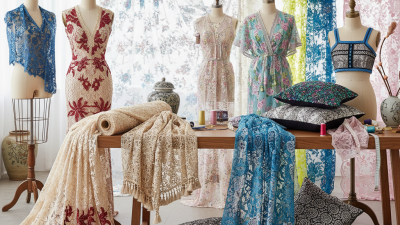
As we look ahead to 2026, lace fabrics are set to embrace a palette that reflects both nature and contemporary design. Soft pastels and vibrant hues intertwine, creating a spectrum that caters to varied aesthetics. Shades like lavender, seafoam, and coral will pop in fashion while offering soothing vibes for home décor. These colors invite warmth and tranquility into any space, establishing an inviting atmosphere.
The textures of lace will play a significant role in color appeal. Delicate, sheer styles will contrast against deeper, bolder colors. A mix of intricate patterns combined with simplicity will create visual interest. Think of how layering different lace styles can enhance a room or outfit, making it truly unique. Yet, this trend raises questions about balance. Too many colors might overwhelm the senses. Striking the right harmony is essential for achieving the desired effect.
Sustainability trends will also impact color choices. Earthy tones could gain traction as consumers seek more eco-friendly options. The challenge will be sourcing materials that align with these values while retaining vibrant color quality. Experimentation in dying techniques may be necessary. Buyers must navigate these complexities to select the right lace that captures beauty and ethics simultaneously.
Sustainable Lace Fabric Innovations: Eco-Friendly Trends to Watch
Sustainable lace fabric is paving the way for eco-friendly fashion. Manufacturers are exploring innovative materials that reduce environmental impact. Organic cotton and recycled fibers are now key players in lace production. These materials not only minimize waste but also enhance the overall quality of lace fabrics.
As buyers seek sustainable options, it is crucial to assess the sourcing of lace materials. Look for suppliers who prioritize ethical practices. Transparency in production processes builds trust in the products. Eco-friendly dyes and sustainable finishes can set a collection apart, catering to conscious consumers.
Evaluate how your designs incorporate these sustainable elements. Fabrics should not only be beautiful but also tell a story of environmental responsibility. A focus on sustainability could lead to unique collaborations and creative solutions. But remember, the challenge lies in balancing aesthetics and eco-friendliness in production.
Top Lace Fabric Trends for Global Buyers in 2026
The chart below represents the projected trends in sustainable lace fabric innovations that global buyers are expected to prioritize in 2026. Each category indicates a percentage of market interest.
Cultural Influences Shaping Lace Fabric Trends Globally in 2026
Cultural influences play a significant role in shaping lace fabric trends across the globe. In 2026, we can expect intricate designs inspired by traditional patterns from various cultures. For example, African prints, with their bold colors, will be integrated into lace designs, creating a vibrant fusion that appeals to modern sensibilities. These patterns often reflect stories and histories, adding layers of meaning to the fabric.
Regional craftsmanship will also gain prominence. Artisans from Asia will showcase their unique weaving techniques, blending contemporary styles with age-old practices. Buyers will seek authenticity, favoring handmade lace that carries the essence of its origin. As sustainability rises in importance, this preference reinforces the value of local artisanship. However, achieving this balance can be challenging, as market demand may push producers to prioritize speed over quality.
Moreover, global events will continue to influence design trends. Fashion weeks and cultural festivals serve as melting pots of ideas. However, trends can sometimes oversimplify complex cultural narratives. The challenge is to honor these influences while avoiding stereotypes. Instead of merely replicating styles, designers should focus on a respectful interpretation. The interplay of culture and fashion will lead to innovative lace designs that resonate deeply with buyers seeking meaningful connections.
Technological Advancements in Lace Fabric Production and Design Techniques
The lace fabric industry is witnessing remarkable advancements due to technology. In recent years, innovations in production techniques have transformed design possibilities. High-speed embroidery machines and laser cutting technology allow intricate patterns to be created with precision and efficiency. According to the Global Textile Industry Report, the market for lace fabric is projected to grow by 6% annually from 2024 to 2029. This growth reflects the increasing demand for high-quality, customizable lace options.
Digital design tools are also shaping the future of lace fabrics. Designers can now visualize and alter their creations rapidly. Computer-aided design (CAD) software enables the exploration of complex patterns. A report from Statista indicates that the global market for CAD software in the textiles industry is anticipated to reach over $2 billion by 2027. This means more options for buyers and a faster turnaround time for production.
However, challenges remain in balancing sustainability with technological progress. The fast-paced nature of production can lead to environmental concerns. Buyers should consider the ecological impact as trends shift. Sustainable practices need to be prioritized to ensure the industry's long-term health. Transparency in sourcing and production methods will become crucial for maintaining consumer trust.

 +86 15968093247
 CONTACT NUMBER
 CONTACT e-mail