Top 10 Fleece Clothing Suppliers in China for Global Buyers?
The global demand for fleece clothing is on the rise. As buyers seek reliable suppliers, China stands out as a key player in this market. The versatility and comfort of fleece make it a popular choice for consumers. However, not all suppliers provide the same quality or service.
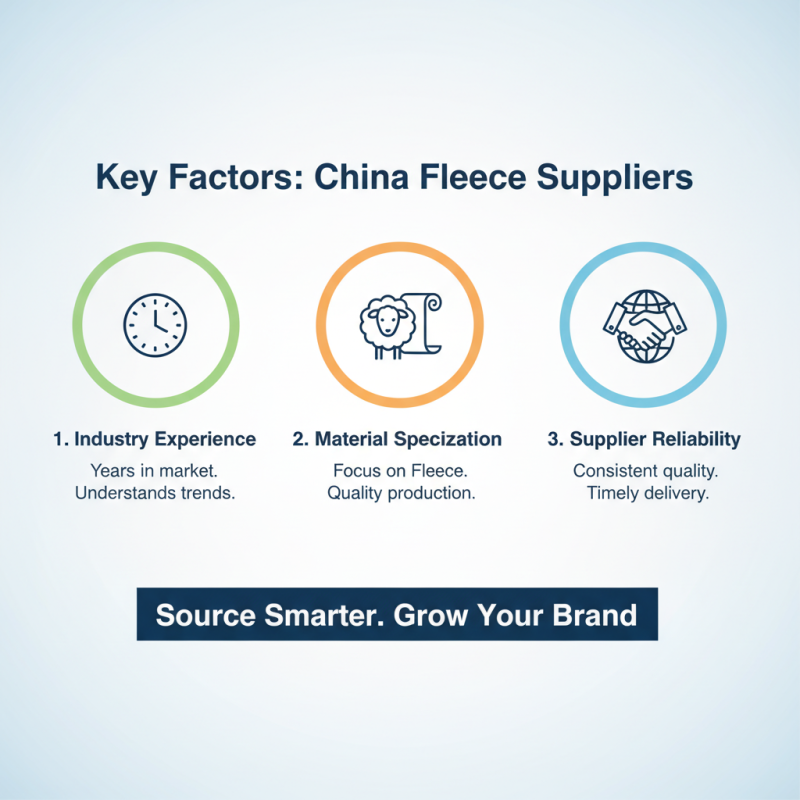
When considering fleece clothing suppliers, it's essential to evaluate their experience and reputation. Some companies excel in product variety, while others focus on sustainable practices. This diversity can lead to confusion for buyers. Finding the right partner can require careful research and attention to detail.
Buyers should also reflect on their specific needs. Are they looking for bulk orders or custom designs? What are the standards for material quality? These questions are crucial. By examining suppliers based on these aspects, buyers can make informed choices. This guide aims to highlight top fleece clothing suppliers in China, providing essential insights for global buyers.

Overview of the Fleece Clothing Market in China
The fleece clothing market in China has witnessed significant growth in recent years. According to a recent market report, the global fleece fabric market was valued at approximately $3.2 billion in 2022 and is expected to reach $5.1 billion by 2028. This surge indicates an increasing demand for warm, lightweight, and durable clothing, especially in colder regions globally.
Chinese manufacturers have been pivotal in this expansion. They offer various fleece products, from basic jackets to high-performance outdoor gear. Statistics reveal that around 30% of fleece clothing is exported, highlighting China's role as a key supplier in the global market. However, this rapid growth has led to increased competition among local suppliers. Quality inconsistencies are sometimes an issue, prompting buyers to carefully vet suppliers.
Tip: When sourcing fleece clothing, consider visiting factories or requesting samples to assess quality firsthand.
Furthermore, sustainability has become a priority within the industry. Many consumers now demand eco-friendly fleece, often made from recycled materials. It's essential for suppliers to adapt to these trends. Like any market, challenges remain, including fluctuating raw material prices and evolving consumer preferences. Buyers must stay informed about these dynamics.
Tip: Engage in regular market research to stay ahead of trends and shifts in buyer behavior.
Top 10 Fleece Clothing Suppliers in China
Top 10 Fleece Clothing Manufacturers in China
In recent years, fleece clothing has gained popularity due to its comfort and insulation properties. The global fleece market is expected to surpass $30 billion by 2025, driven by rising demand in regions like North America and Europe. This surge emphasizes the need for reliable suppliers, primarily in China, which dominates fleece production.
China remains a key player in fleece clothing manufacturing. Several factors contribute to this trend. The country has access to advanced textile technologies and a skilled workforce. Reports indicate that 50% of the world's fleece products are sourced from China. Many manufacturers prioritize sustainable practices, as consumer awareness of eco-friendly materials increases.
Despite these advantages, challenges exist. Quality control can vary significantly among suppliers. Some manufacturers may struggle with meeting international standards. Buyers must conduct thorough research to find reputable suppliers that align with their quality expectations. Understanding manufacturing capabilities is crucial. Buyers should verify compliance with safety and ethical guidelines.
Top 10 Fleece Clothing Suppliers in China for Global Buyers
| Supplier Rank |
Location |
Year Established |
Annual Revenue (USD) |
Employee Count |
Product Range |
Certifications |
| 1 |
Guangdong |
2005 |
$5 million |
150 |
Fleece jackets, Pants, Hoodies |
ISO 9001 |
| 2 |
Zhejiang |
2008 |
$3 million |
100 |
Fleece blankets, Throws |
BSCI |
| 3 |
Jiangsu |
2010 |
$4.5 million |
200 |
Fleece apparel, Accessories |
OEKO-TEX |
| 4 |
Shandong |
2015 |
$2 million |
80 |
Sports fleece, Jackets |
ISO 14001 |
| 5 |
Fujian |
2003 |
$6 million |
250 |
Outdoor fleece, Liners |
WRAP |
| 6 |
Shanghai |
2018 |
$1.8 million |
50 |
Custom fleece products |
GOTS |
| 7 |
Sichuan |
2012 |
$3.2 million |
120 |
Kids fleece, Pajamas |
ISO 45001 |
| 8 |
Hebei |
2000 |
$4 million |
300 |
Fleece suits, Sets |
SA8000 |
| 9 |
Anhui |
2016 |
$1.5 million |
70 |
Eco-friendly fleece |
FSC |
| 10 |
Tianjin |
2011 |
$2.7 million |
90 |
Industrial fleece |
ISO 9001, BSCI |
Comparison of Quality and Pricing Among Leading Suppliers
When evaluating fleece clothing suppliers in China, quality should be a priority for buyers. Many manufacturers have varying standards. Fabric composition, stitching quality, and durability differ significantly. Some suppliers offer fleece that peels easily, while others ensure a long-lasting product. Buyers must assess materials carefully. The lack of consistency can be frustrating.
Pricing is another critical factor for global buyers. While some suppliers provide low-cost options, it often reflects inferior quality. Higher-priced fleece may feature superior materials and construction. However, not every expensive option guarantees better quality. Manufacturers sometimes inflate prices without justifying the cost. A comprehensive comparison is essential.
Buyers should consider both quality and pricing together. It’s not only about finding the lowest price. Reliable suppliers should offer clear information on quality standards. Transparency in pricing can also indicate a supplier’s integrity. Careful inspection of samples can prevent unexpected issues later. Making an informed choice requires diligent research.
Tips for Establishing Partnerships with Chinese Suppliers
Building strong partnerships with Chinese fleece clothing suppliers requires a strategic approach. Successful collaborations often stem from understanding cultural nuances and maintaining clear communication. Recent industry reports show that 70% of supply chain disruptions arise from miscommunications. To mitigate this, setting clear expectations during initial discussions is vital.
When establishing partnerships, it is crucial to conduct thorough research. Engaging in regular audits can help ensure that suppliers adhere to quality standards. A report from the Textile Industry Association indicated that 61% of buyers consider regular evaluations essential. Additionally, visits to production facilities can foster transparency. Transparency builds trust, and trust is the foundation of long-term relationships.
However, challenges remain. Many buyers overlook the importance of local market trends. Understanding regional preferences can significantly impact product success. Industry studies reveal that products tailored to specific demographics see a 40% higher acceptance rate. Assessing these trends can lead to innovative ideas that both parties can benefit from.

 +86 15968093247
 CONTACT NUMBER
 CONTACT e-mail