+86 15968093247


Casual Clothing is entering 2026 with a stronger focus on comfort, versatility, and personal identity. Shoppers want pieces that move easily from home to work, cafés, and weekend plans. Soft tailoring, relaxed denim, breathable layers, and practical footwear are likely to shape everyday wardrobes. Yet comfort no longer means looking careless.
Visible industry signals support this direction. Runway collections, street-style photography, and retail assortments increasingly show wider trousers, cropped jackets, textured knits, and understated colors. Garments with adjustable waists, useful pockets, and durable fabrics may become especially valuable. Small details matter. A clean collar can sharpen a sweatshirt. A structured bag can balance loose trousers.
Some predictions will miss. Fashion is unpredictable. A trend may look impressive online but feel awkward during a crowded commute. That difference deserves attention. This guide will examine the leading Casual Clothing trends for 2026 through practical styling, fabric performance, and real-world wearability. It will also consider responsible purchasing, including garment longevity, transparent material claims, and care requirements. A lower-impact label is not automatically a better product. Evidence matters.
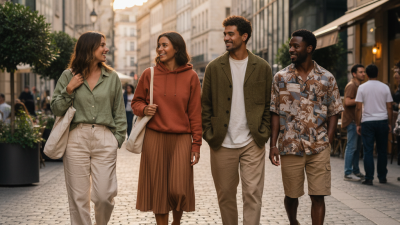
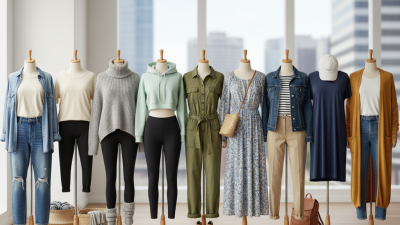
The strongest looks may combine familiar basics with one noticeable update. Think a white T-shirt, relaxed overshirt, and technical sneakers. Or a simple knit with flowing trousers and a compact crossbody bag. These combinations are easy to test, adapt, and repeat. Personal comfort remains the final measure. Trends can suggest direction, but your daily routine should make the decision.
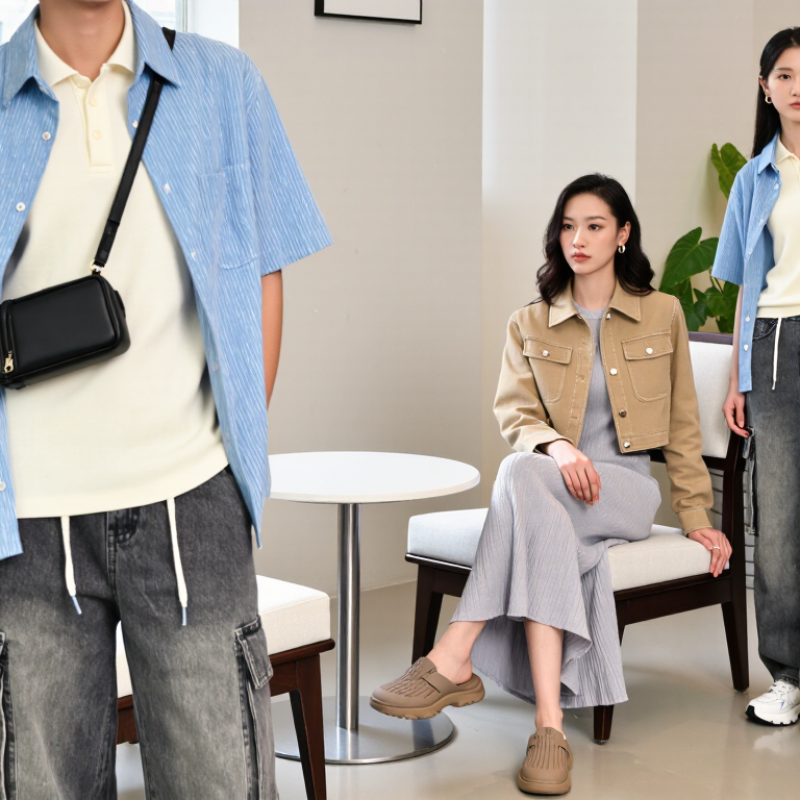
Casual clothing in 2026 is becoming more purposeful, not simply looser. Everyday wardrobes are moving toward relaxed tailoring, soft utility, and adaptable layers. Wide-leg trousers may pair with neat knit tops, while lightweight overshirts replace formal jackets. Comfort remains important, but polished proportions now signal confidence.
McKinsey’s State of Fashion 2025 report describes a value-conscious market facing cautious consumer spending. This pressure may strengthen demand for versatile garments that work across commuting, travel, and home routines. A cotton-blend shirt with reinforced seams can serve several settings. Neutral shades, subtle stripes, and textured fabrics also support repeated wear without looking careless. Small details matter.
Material choices will define the trend more clearly. Textile Exchange reported 124 million tonnes of global fiber production in 2023, highlighting the scale of clothing consumption. Its data also showed recycled fibers represented about 12% of total fiber output. These figures do not make every recycled garment automatically responsible. That assumption needs challenge. Better casual design should include durability, repairable construction, and clearer material information. Some predictions may miss the mark, too. Consumers do not always choose the most sustainable option when prices rise. In practice, 2026 casualwear will likely balance softness, utility, longevity, and visual restraint. Slight imperfection may even feel more authentic than overly perfected clothing.
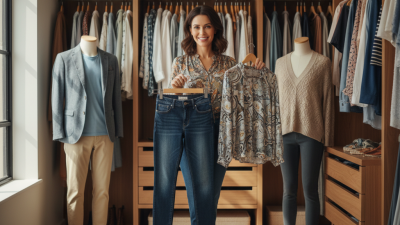
Everyday clothing in 2026 will favor comfort with visible structure. The 2025 State of Fashion report from McKinsey and The Business of Fashion found that about 80% of fashion executives expected conditions to remain flat or worsen. That pressure encourages practical design. Shoppers may choose a dense cotton T-shirt, a washed twill overshirt, or trousers with a flexible waist. Small details matter.
Fabric choices will show stronger responsibility claims, but progress remains uneven. Textile Exchange reported that global fiber production reached 124 million tonnes in 2023, while polyester represented 57% of output. That figure explains the continued use of smooth synthetics in lightweight jackets and stretch trousers. Recycled fibers, linen blends, hemp, and traceable cotton should gain attention. Yet “better” fabric labels can confuse buyers. Verification still matters.
Color palettes will soften. Mineral blue, oat, faded olive, and muted plum can replace loud seasonal tones in daily wardrobes. These shades work with sneakers, knit layers, and simple outerwear. Silhouettes will become relaxed without looking careless. Think straight-leg denim, softly boxy shirts, longer shorts, and cropped utility jackets. Comfort leads. Fit still needs testing. A forecast can miss real life, especially across climates, body shapes, and work routines.
Casual clothing in 2026 is moving beyond oversized softness. Comfort now has a job: supporting movement, temperature changes, and long daily schedules. Grand View Research valued the global athleisure market at $358.27 billion in 2023. It projects a 9.3% compound annual growth rate through 2030. That figure signals demand, although forecasts can miss sudden economic or cultural shifts.
Functionality will appear in quiet details. Think lightweight layers, secure pockets, adjustable cuffs, and washable fabrics that recover their shape. The State of Fashion 2025 report from McKinsey and The Business of Fashion describes a low-growth, value-conscious environment. That pressure may favor garments serving several settings, from remote work to evening travel. Versatility becomes measurable: one overshirt, three temperatures, fewer outfit decisions.
Yet comfort is not automatically better. Very loose cuts can look careless, and synthetic blends may trap heat. The 2024 Textile Exchange Materials Market Report recorded polyester as 59% of global fiber production in 2023. The number raises an awkward question about durability and microfiber pollution. Designers should test breathability, repairability, and end-of-life options, not merely add stretch. A pocket that closes securely matters more than another decorative seam.
Popular Casual Styles for Work, Travel, and Social Settings
Casual clothing in 2026 is becoming more adaptable and practical. Relaxed tailoring works well for offices with flexible dress codes. Try an unstructured overshirt over a plain knit top and straight-leg trousers. Soft cotton, breathable linen blends, and lightweight recycled fibers can improve comfort during long days. Neutral shades remain reliable, while muted green, clay, and faded blue add personality without looking loud. Keep the fit neat. Oversized pieces can quickly appear careless.
For travel, coordinated layers are gaining attention. A lightweight jacket, stretch trousers, and a compact crossbody bag make airport changes easier. Look for hidden pockets, adjustable waistbands, and fabrics that resist light creasing. Clean sneakers or simple slip-on shoes support long walking days. I have found that dark trousers hide travel marks better, although they can feel warmer in direct sunlight. That trade-off matters.
Social settings invite more texture and contrast. A textured polo with loose trousers feels polished but relaxed. Short-sleeved camp shirts, fine-gauge cardigans, and simple overshirts can shift from daytime coffee to an evening gathering. Earthy colors work especially well with off-white or charcoal basics. Small accessories, such as a woven belt or practical watch, can finish the outfit without overdoing it. Less is often better. Still, personal style is not perfectly predictable. A carefully planned outfit may feel wrong after an entire day, so comfort deserves equal attention.
What Are the Top Casual Clothing Trends for 2026?
Sustainable practices are shaping casual fashion in practical ways. In 2026, shoppers are likely to value durable fabrics, repairable details, and transparent production records. Organic cotton, recycled fibers, hemp, and responsibly sourced wool may appear more often in everyday shirts, trousers, and lightweight jackets. Fabric choice still matters, but it is not the whole story. A recycled material can lose value if the garment wears out quickly.
Designers are responding with reinforced seams, replaceable buttons, and simpler construction. These details support longer use and easier repairs. From my experience, a well-made cotton overshirt can serve across several seasons when washed gently and stored properly. Clothing rental and resale may also influence casual wardrobes, especially for occasional items. Yet these systems are not automatically perfect. Delivery, cleaning, and frequent returns can create additional environmental costs. Better data is still needed.
Tips: Check the care label before buying. Choose dense, comfortable fabric and strong stitching. Wear garments repeatedly before replacing them. Air-dry when possible, and mend small holes early. Keep a simple record of cost per wear. It can reveal surprising habits. Ask where materials came from, but accept that supply chains remain complex. No product is impact-free. A thoughtful wardrobe may be more realistic than a flawless one.
| 2026 Casual Fashion Trend | Sustainable Practice | Typical Materials or Design Features | Consumer Value | Key Environmental Consideration | 2026 Outlook |
|---|---|---|---|---|---|
| Relaxed Utility Wear | Designing garments for repeated use, repair, and long service life | Overshirts, cargo trousers, chore jackets, reinforced seams, functional pockets, adjustable hems | Versatility and fewer replacement purchases | Durability can reduce replacement demand, but extra trims and hardware may make recycling more difficult | Strong growth as consumers favor practical, seasonless wardrobes |
| Monomaterial Casual Basics | Reducing fiber blends and simplifying construction to support recycling | Single-fiber T-shirts, sweatshirts, knitwear, and trousers with limited mixed components | Simple styling, easier care, and improved end-of-life options | Recyclability also depends on dyes, finishes, elastane content, labels, zippers, and available collection systems | Increasingly important as textile-sorting and recycling systems develop |
| Recycled-Fiber Everyday Wear | Replacing part of the demand for virgin fibers with verified recycled inputs | Recycled polyester fleece, recycled nylon outerwear, recycled cotton blends, recycled wool knitwear | Lower reliance on new raw materials and familiar performance characteristics | Mechanical recycling may shorten fibers; synthetic recycled textiles can still release microfibers during washing | Continued adoption, with greater emphasis on traceability and recycled-content verification |
| Preferred Natural-Fiber Basics | Using certified or traceable agricultural fibers and improving farming practices | Organic cotton, linen, hemp, responsibly sourced wool, and durable cellulosic fibers | Breathability, comfort, and potential biodegradability under suitable conditions | Water, land use, chemical inputs, animal welfare, and processing impacts vary significantly by fiber and location | Demand is expected to favor materials supported by credible certification and supply-chain evidence |
| Low-Impact Dyeing and Finishing | Reducing water, energy, hazardous chemicals, and wastewater pollution during processing | Undyed or naturally toned garments, cold-dyed products, digital printing, and low-liquor-ratio dyeing | Soft colors, understated styling, and potentially lower processing impacts | Natural dyes are not automatically low impact; durability, wastewater treatment, and chemical management remain essential | Muted palettes and verified wet-processing improvements are likely to gain visibility |
| Repairable and Modular Clothing | Offering replaceable components, spare parts, repair instructions, and accessible alterations | Replaceable buttons, patch panels, adjustable waists, reinforced knees, and repair-friendly seams | Longer use, personalization, and lower cost per wear | The environmental benefit depends on actual use, repair access, and whether the product is designed to remain desirable | A major design principle as durability and product-life extension receive more policy attention |
| Secondhand and Resale-Inspired Styling | Extending the active life of existing garments through resale, swapping, rental, and recombination | Vintage-inspired denim, pre-owned outerwear, repaired knitwear, and mixed-era layering | Individuality, affordability, and access to durable older garments | Benefits are strongest when secondhand purchases replace new purchases and additional transport or cleaning is limited | Resale and reuse are expected to remain central to circular casual wardrobes |
| Seasonless Layering | Creating adaptable garments that work across temperatures, occasions, and seasons | Lightweight overshirts, breathable base layers, reversible pieces, and adjustable silhouettes | More outfit combinations from fewer garments | Fewer purchases can lower impacts, while complex reversible constructions may complicate repair and recycling | Likely to support capsule wardrobes and more efficient use of existing clothing |
| Traceable and Information-Rich Products | Providing reliable information about fiber content, origin, care, repair, and end-of-life handling | Digital product information, scannable care details, material passports, and supply-chain documentation | Greater transparency and clearer care or disposal decisions | Digital information improves accountability only when data is accurate, accessible, and maintained throughout the product life | Expected to expand alongside European product-design, traceability, and anti-greenwashing requirements |
Data note: The outlook statements are evidence-based directional assessments rather than guaranteed market forecasts. Environmental performance varies by material source, manufacturing process, garment lifetime, consumer care, logistics, and end-of-life infrastructure.