inquiry
Leave Your Message

How to Source Denim Skirts from Reliable Suppliers?

Sourcing Denim Skirts from reliable suppliers requires more than comparing the lowest quotation. Fabric weight, stitching quality, wash consistency, and delivery performance can strongly affect your margins. A dependable supplier should provide clear product specifications, realistic production timelines, and verifiable business information. These details help buyers reduce surprises before placing a larger order.

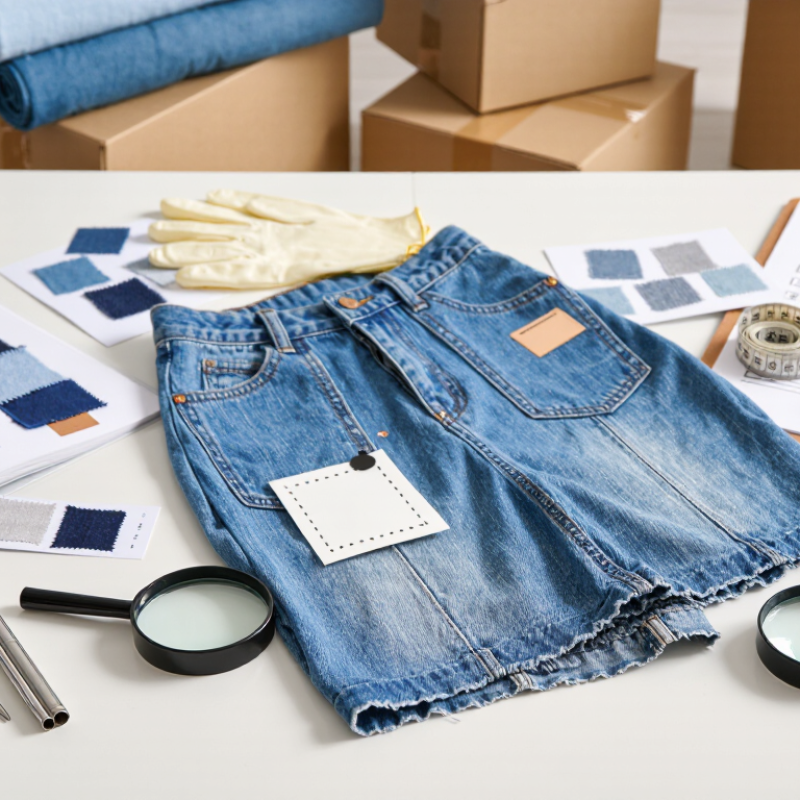
Experienced sourcing teams usually begin with a focused supplier shortlist. They review factory capabilities, sample quality, communication speed, and previous export experience. Ask for fabric composition, size measurements, colorfastness results, and inspection procedures. A sample should be examined under normal lighting and after washing. Check the waistband, zipper, pockets, seams, and hem. Small flaws often become expensive at scale.

Do not trust attractive photos alone. Request recent production images, reference samples, and transparent pricing. Independent inspections can confirm workmanship before shipment, although they cannot replace careful supplier research. I have found that clear written specifications prevent many avoidable disputes. Still, no sourcing process is perfect. Samples may differ slightly from bulk production, and delivery estimates can change during busy seasons. Build reasonable time buffers and document every decision. Reliable partnerships develop through evidence, consistent communication, and honest review—not promises made during the first conversation.
How to Source Denim Skirts from Reliable Suppliers?

Define Your Denim Skirt Sourcing Requirements

Define Your Denim Skirt Sourcing Requirements

A reliable sourcing process starts with a precise product brief. Specify the skirt length, waist position, silhouette, pocket design, closure type, and size range. Record denim weight in ounces, fiber composition, stretch percentage, color standard, and approved wash effect. A difference of only one ounce can change drape and comfort. Include measurement tolerances, usually in centimeters, because vague sizing creates costly revisions.

Textile Exchange’s Materials Market Report 2024 states that global fiber production reached 124 million tonnes in 2023. It may rise to 160 million tonnes by 2030. This growth makes material traceability more important during supplier evaluation. Ask for fiber documentation, dyeing information, test reports, and production location details. Require colorfastness, dimensional stability, seam strength, and restricted-substance testing before bulk approval. Keep the requirements practical.

Do not judge a supplier from a polished sample alone. A sample can conceal weak bartacks, uneven hems, or excessive shrinkage after washing. Request a pre-production sample using the final fabric and wash recipe. Confirm minimum order quantity, sample timing, bulk lead time, payment terms, inspection stages, and corrective-action procedures. Textile Exchange also reports that recycled fibers remain a small share of total fiber production, so recycled-denim claims need supporting evidence. Some specifications may need revision after fitting. That is normal, and worth admitting.

How to Source Denim Skirts from Reliable Suppliers?

Define Your Denim Skirt Sourcing Requirements

Use these practical target benchmarks to compare denim skirt suppliers before sampling. Confirm fabric weight, minimum order quantity, production lead time, dimensional stability, and colorfastness through technical documents, samples, and pre-shipment inspections.

Identify and Evaluate Potential Denim Skirt Suppliers

When sourcing denim skirts, I begin with production evidence, not polished photos. Ask for factory details, monthly capacity, and recent skirt samples. A reliable supplier should explain fabric weight, fiber content, washing methods, and shrinkage results clearly. Request a measurement chart with tolerances for waist, hip, length, and hem opening. Small gaps matter. A sample may look excellent, yet its waistband can twist after washing. I learned this after approving a visually attractive sample too quickly. That mistake made later corrections expensive.

Evaluate at least three potential suppliers with the same checklist. Compare stitching density, seam strength, zipper movement, pocket alignment, and color consistency. Request test reports for shrinkage, colorfastness, and fabric composition from recognized testing facilities. Visit the factory when practical, or arrange an independent production audit. Check whether recorded capacity matches the workers, machines, and warehouse space you observe. Speak with trade references, but verify their comments through documents and recent orders. Ask about lead times, defect handling, replacement procedures, and payment milestones. Do not accept vague answers. One supplier offered a low price but could not explain its inspection process.

Communication also reveals operational maturity. Send a detailed technical pack and measure the response time and accuracy. A simple scorecard can track quality, consistency, capacity, communication, and cost. I record every promise in writing, including fabric approval and packing details. Some evaluations still remain imperfect because production conditions change. My judgment can be wrong. Rechecking samples before bulk production is worthwhile, even when deadlines feel uncomfortable.

How to Source Denim Skirts from Reliable Suppliers? - Identify and Evaluate Potential Denim Skirt Suppliers

Anonymous supplier-screening dataset for comparing denim skirt manufacturers. Confirm all commercial, compliance, quality, and capacity information with current documents, samples, factory audits, and purchase-order references before approval.

Potential Denim Skirt Supplier Evaluation Matrix
Supplier Code Production Region Core Product Fit Fabric Composition Fabric Weight Minimum Order Quantity Sample Lead Time Bulk Lead Time Indicative FOB Price Quality System Evidence Social Compliance Evidence Customization Capability Weighted Score Recommended Action
Supplier 01 South Asia Women’s five-pocket denim skirts 98% cotton, 2% elastane 10.5 oz 500 pieces per color 7 days 45 days US$8.80–10.20 In-line and final inspection records available Third-party social audit available Wash, trim, label, grading, and fit adjustments 86/100 Shortlist
Supplier 02 East Asia Rigid denim A-line and mini skirts 100% cotton 12 oz 800 pieces per style 10 days 50 days US$9.60–11.40 Needle control and fabric inspection procedures documented Workplace policy and audit report provided Pattern development, embroidery, patch, and wash development 84/100 Shortlist
Supplier 03 Southeast Asia Stretch denim pencil and midi skirts 72% cotton, 26% polyester, 2% elastane 9.5 oz 300 pieces per color 6 days 38 days US$7.90–9.30 Basic inspection checklist provided; calibration records pending Self-assessment completed; independent audit pending Basic color, label, trim, and measurement customization 76/100 Conditional Review
Supplier 04 North Africa Commercial denim skirts with short replenishment cycles 99% cotton, 1% elastane 11 oz 1,000 pieces per style 8 days 35 days US$8.40–9.80 Final inspection, measurement, and needle-control records available Policy available; current third-party audit not supplied Wash recipes, trims, labels, and size grading 79/100 Conditional Review
Supplier 05 Eastern Europe Premium washed and finished denim skirts 98% cotton, 2% elastane 10 oz 250 pieces per style 9 days 42 days US$12.20–14.80 Documented quality manual and final audit reports available Current social compliance documentation available Complex washes, laser effects, trims, and fit development 91/100 Priority Shortlist
Supplier 06 South Asia Basic denim skirts for value retail 100% cotton 8.5 oz 1,500 pieces per color 12 days 55 days US$6.20–7.40 Inspection checklist available; process-control evidence limited No current independent audit supplied Limited to standard patterns, labels, and basic washes 62/100 Hold
Supplier 07 Latin America Workwear-inspired denim skirts 100% cotton 13 oz 600 pieces per style 10 days 48 days US$10.40–12.60 Fabric, seam-strength, and final inspection records available Workplace audit documentation available Heavyweight fabric, rivets, utility pockets, and reinforced seams 83/100 Shortlist
Supplier 08 Southeast Asia Fashion denim skirts with seasonal detailing 80% cotton, 18% recycled cotton, 2% elastane 10.8 oz 400 pieces per style 8 days 46 days US$9.80–11.70 Quality manual, inspection reports, and testing records available Supplier code of conduct available; audit renewal due Recycled-content fabrics, embroidery, washes, trims, and labels 81/100 Conditional Review
Suggested scoring: Product quality and fit 25%, compliance 20%, price 15%, MOQ and capacity 15%, lead time 10%, customization 10%, communication 5%.
Verification priority: Compare approved samples with the measurement chart, test fabric weight and composition, review colorfastness and seam strength, and confirm shrinkage after washing.
Commercial control: Request a pre-production sample, define acceptable quality limits, approve bulk fabric and wash standards, and include inspection and corrective-action terms in the purchase order.

Verify Supplier Quality, Capacity, and Business Credentials

Sourcing denim skirts safely begins with supplier verification, not attractive photos. I ask for recent fabric details, sample measurements, and production records. The denim should show consistent weight, shade, stretch, and recovery. I inspect waistband stitching, hem tension, zipper movement, and pocket reinforcement. Small flaws matter. A loose thread can reveal weak quality control.

Request a sample made from the same fabric planned for bulk production. Test shrinkage after washing, color transfer, seam strength, and dimensional stability. Record measurements before and after washing. I once trusted a strong sample but ignored uneven dyeing near the side seams. That mistake taught me to inspect under natural light. A polished sample can mislead me.

Capacity checks require specific evidence. Ask about monthly output, current orders, machinery, workforce, and peak-season lead times. Compare promised capacity with floor space and production schedules. Confirm whether subcontractors will handle cutting, washing, or finishing. Business credentials also deserve careful review. Check the registered company name, operating address, years in business, export experience, and trade references. Relevant quality documents should be current and independently verifiable. Do not accept certificates without checking their issuing organization. Keep written records of every claim, because memory becomes unreliable during negotiations.

Compare Samples, Pricing, Minimum Orders, and Production Terms

How to Source Denim Skirts from Reliable Suppliers?

Sourcing denim skirts requires more than a low unit price. Request three identical samples from each supplier. Compare fabric weight, stretch recovery, seam strength, zipper movement, and wash consistency. Measure the waist, hip, skirt length, and hem after washing. Textile Exchange’s Materials Market Report 2024 states that global fiber production reached 124 million tonnes in 2023. This scale makes material traceability increasingly important. Ask for fiber composition records, recycled-content evidence, and test reports.

Compare pricing with a clear cost sheet. Separate fabric, washing, trims, packaging, sampling, and shipping costs. A cheaper quote may hide weaker hardware or excessive finishing fees. The USDA Cotton: World Markets and Trade report can help buyers monitor cotton supply and price conditions. However, market data is only a reference. Denim costs can change with weight, dye depth, order volume, and wash complexity. Request prices at several quantities, such as 300, 800, and 1,500 pieces.

Minimum orders need practical testing. A low MOQ is useful, but it may increase fabric and production costs. Ask whether the MOQ applies per color, size range, or total order. Confirm sample charges, approval deadlines, payment stages, lead time, defect tolerance, and rework procedures. Put every term in writing. Production promises can sound convincing. I have seen details remain vague. That is a warning. Review the pre-production sample under natural light and after one home wash before approving bulk production.

Manage Orders, Inspections, Shipping, and Supplier Relationships

Sourcing denim skirts from reliable suppliers requires more than comparing unit prices.

Check factory experience, fabric capability, production capacity, and communication speed. Request a detailed quotation covering fabric composition, denim weight, wash method, trims, packaging, and lead time.

A clear purchase order should include approved measurements, color references, sewing details, and acceptable tolerances.

Keep everything in writing.

During production, manage clear checkpoints.

Review the pre-production sample before bulk cutting. Inspect fabric for shade variation, weaving faults, and unexpected shrinkage.

During sewing, check waistband alignment, zipper function, pocket placement, seam strength, and loose threads.

A final inspection should use agreed sampling standards, carton counts, measurements, and photographs.

Do not release the full payment before receiving inspection results. Small errors become expensive after shipment.

Shipping needs the same discipline.

Confirm carton dimensions, weight limits, shipping marks, loading dates, and required commercial documents. Use moisture protection when the route includes humid ports.

Track each milestone instead of waiting for the supplier’s final message.

Supplier relationships also need practical honesty. Share realistic forecasts, respond to questions quickly, and discuss defects with evidence rather than emotion.

One production lesson is easy to remember: approving a rushed sample can create weeks of correction later.

I still make mistakes. A missing measurement note or unclear wash description can disrupt an otherwise capable factory. Review every order after delivery, record recurring problems, and adjust the next specification before repeating them.