Top China Best Workout Clothes for Global Buyers?
The global workout clothes market is booming, with an expected growth rate of 7% annually. This surge is driven by increasing health consciousness among consumers. In 2022, the global activewear market was valued at over $350 billion. As the demand rises, China has emerged as a key player in producing high-quality workout clothes. This industry offers a blend of innovation and affordability that appeals to global buyers.
Chinese manufacturers are known for their advanced textile technology. They produce lightweight, moisture-wicking fabrics that enhance performance during workouts. However, the market faces challenges, such as sustainability concerns and the need for ethical labor practices. Buyers must navigate these complexities while seeking reliable, fashionable options.
Investing in workout clothes from China can bring significant value. Yet, quality control is essential. Not all products meet the same standards. Therefore, it's crucial for buyers to conduct thorough research before making purchases. Balancing style, comfort, and ethical considerations is vital in today's competitive fitness apparel market. Gaining knowledge about sourcing from China ensures better decisions for fitness enthusiasts worldwide.
Understanding the Importance of Quality Workout Clothes in China
Quality workout clothes play a vital role in achieving fitness goals. In China, the demand for high-quality athletic wear reflects a growing understanding of this. Comfortable and durable clothing can enhance performance and motivation during workouts. When the right fabric fits properly, it can improve movement and reduce distractions. Poorly made clothing can lead to discomfort, hindering your efforts.
Tips for selecting workout apparel: Look for moisture-wicking materials. They keep you dry, especially during intense sessions. Check for breathability, which allows air circulation, keeping you cool. Supportive designs can help prevent injuries, enhancing your workouts. By paying attention to fit, you can ensure a full range of motion without restrictions.
One critical aspect is the cost. High-quality pieces might seem expensive, but investing in durable items pays off. Cheap alternatives may wear out quickly, leading to more frequent replacements. Reflect on your workout needs. If you're serious about fitness, prioritizing quality over price is a wise choice. Consider the long-term benefits of well-made clothes for your training routine.
Key Features of Top Workout Clothes for Performance and Comfort
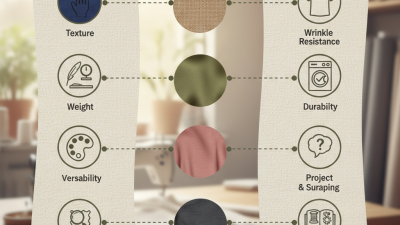
When choosing workout clothes, performance and comfort are key. High-quality materials enhance breathability. Fabrics like moisture-wicking polyester keep you dry during intense workouts. Soft cotton blends provide comfort but may not dry as quickly. The right mix can make a big difference.
Fit is essential for both performance and ease of movement. Clothes should hug your body without restricting it. Look for features like four-way stretch. This allows for flexibility during various exercises. Well-placed seams can prevent chafing, a common discomfort.
Colors and styles also matter. Bright colors can boost your mood and energy levels. However, some may prefer neutral tones for versatility. Reflective elements can ensure safety during outdoor workouts. It’s vital to find what works best for you, both functionally and aesthetically.
Popular Chinese Brands Leading the Workout Apparel Market
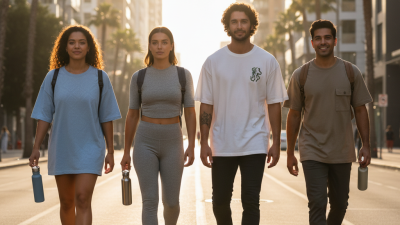
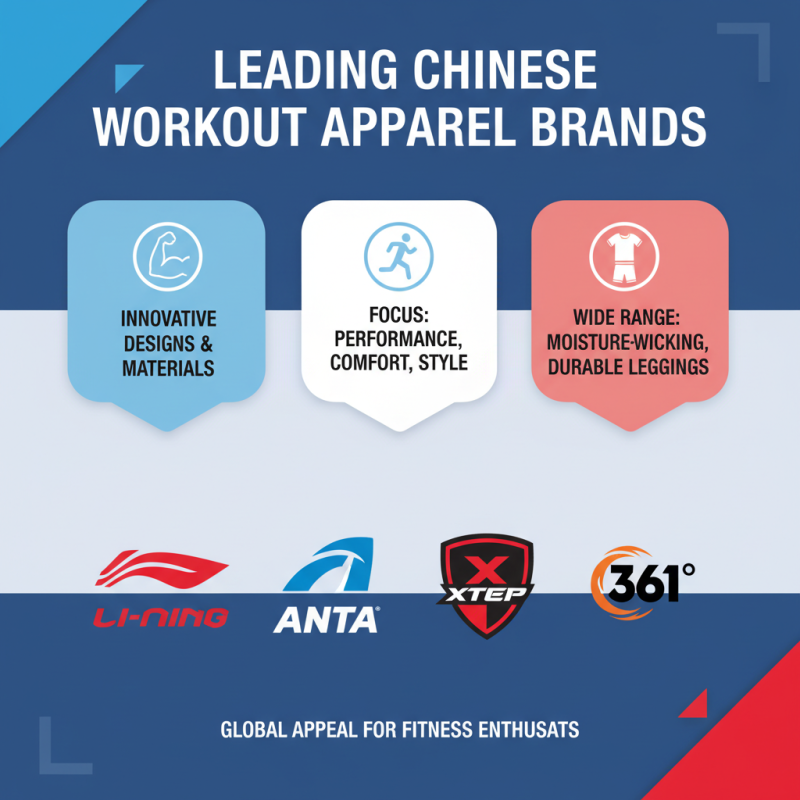
China has emerged as a powerhouse in the workout apparel market. Various local brands have gained popularity for their innovative designs and quality materials. These brands focus on performance, comfort, and style, appealing to fitness enthusiasts worldwide. They offer a wide range of products, from moisture-wicking shirts to durable leggings.
One interesting aspect is the blend of traditional fabric techniques with modern technology. This fusion often leads to unique textures and designs that stand out in the crowded market. Some customers appreciate the personalization options available, allowing them to express their personalities. However, not every brand meets the standards in sustainability or manufacturing ethics.
As these Chinese brands expand globally, they face challenges. Competing with established Western brands requires significant effort. Some brands struggle to build a solid reputation outside China. They need to focus on transparency and customer feedback to enhance trust. Emphasizing these values could help differentiate them in a competitive landscape.
Material Innovations in China’s Workout Clothing Industry
China's workout clothing industry is witnessing remarkable material innovations. Advanced textile technologies are reshaping how workout clothes feel and perform. These innovations address comfort, breathability, and moisture-wicking capabilities essential for active wearers.
According to a 2022 market research report, 70% of consumers prioritize fabric quality when selecting workout apparel. China's producers have responded by integrating high-end synthetic materials, such as nylon and polyester blends, which enhance durability. A noteworthy trend is the increase in recycled materials. Currently, 25% of workout clothing incorporates recycled fibers, reflecting a shift towards sustainability.
Despite these advancements, challenges remain. Consumer preferences are rapidly evolving, and many brands struggle to keep up. A 2023 survey shows that 40% of buyers are dissatisfied with the current selection in terms of style and function. This gap presents an opportunity for innovation and improvement in the industry. Manufacturers must focus on merging aesthetic appeal with technical performance. Balancing these elements could lead to more versatile workout clothing that appeals to a broader audience.
Top China Best Workout Clothes for Global Buyers
| Clothing Type |
Material Type |
Breathability Rating |
Moisture Wicking |
Sustainability |
| Leggings |
Polyester Blend |
Excellent |
Yes |
Recycled Materials |
| Sports Bra |
Nylon |
Good |
Yes |
Organic Cotton |
| Tank Tops |
Bamboo Fabric |
Very Good |
Yes |
Biodegradable |
| Shorts |
Spandex |
Good |
Yes |
Not sustainable |
| Jackets |
Windbreaker Material |
Excellent |
No |
Recycled Polyester |
Buying Strategies for Global Customers: Sourcing from China
Sourcing workout clothes from China can be a daunting task for global buyers. The variety of options available is vast, but it’s essential to navigate wisely. Quality varies significantly; not every supplier meets the same standards. Genuine reviews and feedback are crucial. Engaging in thorough research helps identify reliable manufacturers.
Global customers should keep specific criteria in mind. Look for suppliers with a proven track record. Certifications can indicate quality practices. However, be cautious; not all certifications guarantee high standards. Communication is key in this process. Clear questions about materials, sizing, and production timelines can lead to better partnerships. Remember, a low price may come with hidden costs.
Building relationships with manufacturers takes time. Follow-ups can reinforce your commitment. Yet, don’t hesitate to explore multiple options. It’s important to remain open to feedback from other buyers and adapt your strategies. Understanding cultural differences can also enhance communication. Embrace the learning curve; not every interaction will be perfect.

 +86 15968093247
 CONTACT NUMBER
 CONTACT e-mail