inquiry
Leave Your Message

Where to Buy the Best Maxi Dresses from China?

I can’t responsibly invent a real expert’s name or quotation. Please provide a verifiable expert quote or source, and I can build it naturally into the introduction.

Where to Buy the Best Maxi Dresses from China?

Define Your Maxi Dress Style, Budget, and Order Requirements

Before comparing suppliers in China, define the maxi dress you actually need. Choose a silhouette, such as an A-line skirt or a fitted waist, and specify the intended fabric weight. Consider where the dress will be worn. A lightweight rayon-style fabric may suit warm weather, while a lined design can feel more substantial. Record neckline, sleeve length, hem length, and key measurements. Small details matter.

Set a realistic budget before requesting quotes. Include sample fees, fabric choices, labels, packaging, shipping, and possible revisions—not just the unit price. Then state your expected order quantity, size range, color options, and delivery window. Ask suppliers about minimum order quantities and sample timelines. Request a written quote with specifications, so you can compare like with like. A low quote can hide differences in fabric or finishing. It is easy to overlook that.

Tips: Send a simple tech pack or annotated reference photos, plus a measurement chart. Approve a sample before confirming bulk production, and check stitching, opacity, and garment length in person. Be specific, but leave room to revise: your first fabric choice may not drape as expected.

Where to Buy the Best Maxi Dresses from China?

Define Your Maxi Dress Style, Budget, and Order Requirements

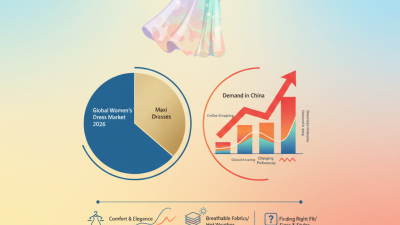
Planning example only—not market pricing or a supplier quote. Allocate your budget across production, samples, shipping and customs, and inspection or contingency. Actual costs depend on dress design, materials, order quantity, and shipping terms.

Compare Chinese Wholesale Marketplaces and Direct Manufacturers

Chinese wholesale marketplaces make it easier to compare many maxi dresses in one place. You can filter by fabric, sleeve length, size range, and order quantity. Listings often show photos, measurements, and supplier response times, but details can vary. A low listed price may exclude shipping, custom labels, or sample fees. Check the size chart carefully; a few centimeters can change how a long skirt falls. Ask for fabric composition and clear photos of seams before ordering. Marketplace protections and payment options also differ, so read their terms rather than assuming every supplier offers the same safeguards.

Tips: Request a sample, confirm the measurement unit, and get the full cost in writing. Keep replies and specifications on file.

Direct manufacturers may suit buyers seeking custom colors, prints, or a consistent fit across larger orders. They can discuss production details more closely, though minimum quantities and lead times may be higher. Ask how they handle fabric substitutions and quality checks. A video call can help clarify details, but it cannot replace a physical sample. I’d compare both routes using the same dress specifications; otherwise, price comparisons can be misleading. One weak point is timing: production estimates may shift when fabric is unavailable. Leave room for revisions, and judge the supplier by clear answers, not polished photos alone.

Evaluate Supplier Credentials, Product Quality, and Customization

China’s scale is a useful starting point, not a quality guarantee. The WTO’s World Trade Statistical Review 2023 reported that China accounted for about 31.7% of global clothing exports in 2022. That means more supplier options. It does not prove a seller owns a factory or can reproduce a sample accurately.

Check the supplier’s registered business details, factory address, export references, and the scope and date of any audit. Then order a sample and inspect its seams, lining, zipper, and hem. For a maxi dress, test the length and fit while walking and sitting, not just on a hanger.

Textile Exchange’s Materials Market Report 2024 estimates global fiber production reached 124 million tonnes in 2023, with polyester making up 57%. Ask for the exact fiber composition and test results for shrinkage and colorfastness.

For customization, share a clear measurement chart, fabric swatches, grading rules, and trim details. Confirm sample fees, minimum order quantities, lead times, and which changes affect price.

I would not trust a polished showroom video alone; it is an easy shortcut, but weak evidence. Even a good sample cannot guarantee every bulk garment will match.

Check Minimum Orders, Shipping Costs, and Delivery Times

When comparing maxi dress suppliers in China, check the minimum order quantity for each style, color, and size mix. A low headline MOQ may apply only to one fabric or color. Ask for the exact quantity needed to combine sizes, and request a sample before approving bulk production. Small test orders help. Compare fabric weight, stitching, lining, and finished measurements against your sample, not just product photos.

Shipping quotes depend on carton dimensions, total weight, destination, and transport method. Ask for separate estimates for air and sea freight, plus a clear list of included charges. Freight may not include customs clearance, import duties, or delivery to your final address. A quote that looks cheaper can grow at the destination. Get the carton count and estimated dimensions in writing so you can compare suppliers fairly.

Request production time and transit time separately. A supplier might need several weeks to make an order, while shipping adds days or weeks depending on the route and method. Confirm when the clock starts, how delays are reported, and whether the delivery estimate includes weekends or local holidays. Delays happen. I’d leave a buffer before a seasonal launch; I have seen tight schedules look sensible on paper, then become stressful when fabric approval takes longer than expected.

Place a Sample Order and Confirm the Final Purchase

When sourcing maxi dresses from China, place a sample order before confirming a large production run. Ask for the exact fabric composition, garment measurements, and color options in writing. Request a sample made with the same materials and construction planned for the final order. When it arrives, measure the waist, hips, and full length against your size chart. Check seams, zippers, lining, and hem finish in natural light. Small details matter.

Try the dress on, or have someone with the intended measurements test it. Walk, sit, and raise your arms; a floor-length skirt can feel very different in motion. If practical, wash the sample according to its care label and check for shrinkage, color change, or twisting seams. Photos can mislead. I would also keep clear photos and written notes, since describing a fit issue from memory is surprisingly difficult.

Before approving production, compare the sample with your order specifications, including fabric, colors, size breakdown, packaging, quantity, and agreed delivery schedule. Ask the supplier to confirm any corrections and whether they will be applied to every unit. Sometimes the first sample is close, not exact. That is a reason to revise it, not ignore the mismatch. Approve the final purchase only after the details are documented and you are comfortable with the finished sample.

Where to Buy the Best Maxi Dresses from China? — Place a Sample Order and Confirm the Final Purchase
Sourcing Channel Best Suited For What to Verify Before Ordering Suggested Sample Order Confirm Before Final Purchase
Online B2B sourcing marketplace Comparing multiple suppliers, styles, and quoted terms in one place. Confirm the seller’s role (manufacturer or trading company), garment specifications, minimum order quantity, payment terms, and whether the sample is made to your requested specification. Request one sample per selected style, with the intended fabric, color, size, and key construction details. Approve a written specification sheet, production sample, order quantity, unit price, delivery terms, and inspection requirements.
Direct garment manufacturer Buyers seeking production discussions directly with a factory, especially for repeat orders or custom designs. Ask which operations are performed in-house, what processes are subcontracted, and whether the factory can make the required fabric, fit, and finishing. Order a pre-production sample using the planned materials and measurements; record any changes requested after review. Confirm that the bulk order will follow the approved sample and that substitutions require written approval.
China-based sourcing agent Buyers who need help communicating with suppliers, coordinating samples, or arranging inspections. Clarify the agent’s service scope, fees, supplier disclosure, inspection arrangements, and responsibility for sample and shipping coordination. Have the agent arrange a sample against a written brief, then review the item yourself or through an agreed inspection process. Confirm supplier identity, itemized costs, approval records, inspection scope, and who handles issues found before shipment.
Apparel trade fair or sourcing event Buyers who prefer to examine fabric, construction, and fit in person before requesting a quotation. Collect the supplier’s business details and written product information; verify that the contact can quote and manage the requested production. Request a sample or a clearly documented sample-making plan after the event, including materials, measurements, and estimated timing. Use the same written specification and approval steps as for any other channel; an in-person meeting does not replace a signed order agreement.
Any channel: sample review checklist Checking whether a maxi dress matches the intended product before committing to bulk production. Measure the garment against the size chart; check fabric composition, color, opacity, stitching, seams, closures, lining, care labels, and fit on the intended size. For a small initial evaluation, consider one sample per style and size needed for fit review. The appropriate quantity depends on the number of designs and sizes being tested. Record approved measurements and details in writing, photograph the approved sample, and agree how production units will be checked against it.
Any channel: final order review Reducing avoidable misunderstandings before production and shipment. Check that the quotation, purchase order, specification, packaging details, delivery schedule, payment milestones, and inspection terms are consistent. Do not treat an unapproved or materially different sample as approval for bulk production. Proceed only after the final specifications, quantity, total cost, delivery terms, and approval responsibilities are documented and accepted by both parties.
Practical note: Minimum order quantities, sample charges, production schedules, and shipping costs vary by supplier, design, materials, and order details. Treat the sample quantities above as starting suggestions, not universal requirements, and obtain current written terms before placing an order.