 +86 15968093247
Leave Your Message
-
CONTACT WhatsApp
-
 CONTACT NUMBER
 -
 CONTACT e-mail
Global buyers are asking a sharper question: which Maxi Dresses deserve space in a changing wardrobe?
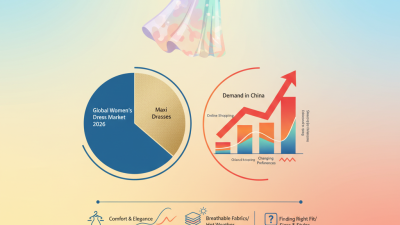
The State of Fashion 2025 report by The Business of Fashion and McKinsey describes cautious consumers, slower growth, and stronger demand for value. That matters. A maxi dress must now justify its price, fabric, shipping space, and repeat wear. Statista Market Insights estimates that global apparel revenue will remain above US$1.7 trillion in 2025. Yet broad market size does not guarantee demand for every silhouette. Buyers still compare comfort, climate suitability, fit consistency, and supplier reliability.
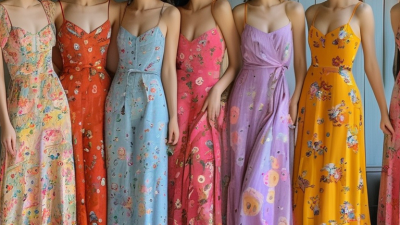
A useful principle comes from designer Diane von Furstenberg: “Feel like a woman, wear a dress!” Maxi Dresses can deliver that feeling with a breathable cotton blend, adjustable straps, and a hem that moves around city pavements. Linen works in hot markets. Jersey supports travel. Recycled polyester may reduce care demands, but its environmental claims require evidence. Labels alone are not enough.
This guide evaluates the 2026 best Maxi Dresses through a global buying lens. It considers fabric performance, seasonal color, inclusive sizing, wholesale practicality, and visual appeal. It also questions easy assumptions. A dramatic floor-length style may photograph beautifully, yet create returns when petite shoppers face excessive fabric. A low-cost dress may sell quickly, but weak stitching can damage buyer trust.
WGSN fashion intelligence highlights versatility and longevity as important consumer priorities. That direction feels credible, though forecasts can miss sudden weather, freight, or cultural shifts. The strongest 2026 choices will balance beauty with proof: clear specifications, tested samples, honest sourcing, and wearability beyond one photograph.

Defining the best maxi dresses for global buyers in 2026 requires more than predicting a popular color. Fit comes first. A reliable design should offer inclusive grading, adjustable straps, and a waist that suits different body proportions. During product reviews, buyers should measure garment length, hem width, opacity, and shrinkage after washing. Regional testing matters because a floor-skimming hem may fail for shorter customers or create movement problems on stairs.
PwC’s 2024 Voice of the Consumer Survey found that 46% of consumers buy more sustainable products. Respondents also showed willingness to pay an average premium of 9.7% for sustainability. This supports fabrics with traceable composition, tested colorfastness, and clear care labels. Textile Exchange’s 2024 Materials Market Report recorded global fiber production at 124 million tonnes in 2023. It projects 160 million tonnes by 2030. Recycled fibers deserve attention, but they are not automatically the best choice.
For international sourcing, the strongest maxi dress balances breathability, coverage, packability, and repairability. Cotton-linen blends suit warm climates, while a light lining improves opacity without excessive weight. Linen can crease heavily. Viscose may require careful washing. That choice is imperfect. Buyers should also compare landed cost, carton efficiency, and return risks. A beautiful sample means little if sizing varies between production batches. That is where professional inspection earns its value.
| Maxi Dress Profile | Recommended Fabric Composition | Best Use and Climate | Approx. Fabric Weight | Typical Wholesale Target | Suggested Size Coverage | Key Buyer Benefit | Important Quality Checks | Global Compliance Considerations |
|---|---|---|---|---|---|---|---|---|
| Breathable Cotton Poplin Maxi Best for everyday wear | 100% cotton poplin, or 97% cotton / 3% elastane for added comfort | Warm and temperate climates; daily wear, travel, and casual markets | 110–150 g/m² | US$12–22 per unit | XS–3XL; optional petite and tall lengths | Natural hand feel, good breathability, and broad consumer acceptance | Check shrinkage after washing, colorfastness, seam strength, opacity, and pocket construction | Fiber-content labeling, care instructions, restricted-substance controls, and country-of-origin marking |
| Viscose Printed Wrap Maxi Best for resort and occasion retail | 100% viscose; a more durable option may use 70% viscose / 30% polyamide | Hot climates, holidays, beach destinations, and vacation wardrobes | 90–130 g/m² | US$11–21 per unit | XS–2XL; adjustable waist recommended | Fluid drape, lightweight construction, and strong print flexibility | Test color bleeding, wet strength, print alignment, seam slippage, and twisting after laundering | Accurate fiber labeling, colorant safety documentation, and care labeling for delicate washing |
| Linen-Blend A-Line Maxi Best for premium summer assortments | 55% linen / 45% cotton, or 70% linen / 30% viscose | Warm, dry, and coastal climates; premium casual and summer collections | 135–190 g/m² | US$17–31 per unit | XS–3XL; relaxed fit improves cross-market sizing | Breathable natural-fiber appearance with less wrinkling than pure linen | Check fabric slubs, dimensional stability, seam puckering, transparency, and wash appearance | Fiber percentages must be declared accurately; verify chemical and finishing compliance |
| Recycled Polyester Pleated Maxi Best for low-maintenance travel | 100% recycled polyester, preferably with documented recycled-content inputs | Variable climates, travel, work-to-evening dressing, and online retail | 100–160 g/m² | US$13–25 per unit | XS–3XL; elastic waist and flexible bust design recommended | Lightweight, crease resistant, quick drying, and suitable for compact packing | Check pleat recovery, pilling, static, colorfastness, lining quality, and odor after production | Substantiate recycled-content claims; include fiber, care, and flammability information where required |
| Jersey T-Shirt Maxi Best for volume basics | 95% cotton / 5% elastane, or 60% cotton / 40% modal for a softer drape | Everyday wear in mild and warm climates; value and mid-market channels | 170–220 g/m² | US$9–18 per unit | XS–4XL; stretch construction supports broader fit tolerance | Comfortable, easy to style, and suitable for repeat-season replenishment | Check spirality, pilling, stretch recovery, neckline stability, and hem distortion | Correct fiber labeling, wash-care instructions, colorant testing, and children’s-safety review if applicable |
| Modest Long-Sleeve Maxi Best for modest-fashion markets | Polyester crepe, cotton voile with lining, or 70% viscose / 30% polyester | Warm and mixed climates; modest fashion, family events, and formal daywear | 125–190 g/m² | US$14–27 per unit | XS–4XL; full-length, higher neckline, and adjustable cuffs | Greater coverage, versatile styling, and strong regional adaptability | Check opacity under strong light, sleeve mobility, lining comfort, zipper quality, and hem balance | Provide accurate garment measurements, fiber labels, care labels, and any market-specific safety details |
| Satin Slip Maxi with Lining Best for evening collections | Polyester satin with polyester lining; premium versions may use silk-blend fabric | Eveningwear, celebrations, weddings, and occasion-focused retail | 80–120 g/m² shell fabric | US$15–30 per unit | XS–2XL; adjustable straps and bias-cut ease recommended | High visual appeal, compact shipping volume, and strong occasion-wear positioning | Check snag resistance, seam strength, lining attachment, color consistency, and static control | Flammability, fiber-content, care, and embellishment safety requirements may vary by destination |
| UV-Resistant Active Maxi Best for outdoor lifestyle ranges | Polyester or nylon stretch knit with elastane; use verified UV-performance testing for claims | Outdoor travel, resort activities, warm climates, and athleisure markets | 160–230 g/m² | US$16–29 per unit | XS–3XL; body-mapped stretch and adjustable side opening recommended | Movement comfort, quick drying, and functional differentiation from standard casual dresses | Test stretch recovery, sweat colorfastness, pilling, chlorine or saltwater resistance, and UV claims | Performance claims require test evidence; include fiber, care, chemical, and labeling documentation |
Note: Wholesale targets are indicative planning ranges in U.S. dollars for standard-volume production and can change according to fabric sourcing, order quantity, workmanship, trims, testing, packaging, and destination requirements.