
inquiry
Leave Your Message

10 Tips for Sourcing Woven Wear Globally?

Sourcing Woven Wear globally is not simply a search for the lowest factory quotation. It is a careful investigation into materials, craftsmanship, capacity, and accountability. A fabric sample may look perfect under showroom lights, yet fail after washing, shipment, or repeated wear. Small details matter: yarn count, loom settings, shrinkage, colorfastness, and carton protection.

Kate Fletcher, a leading researcher in sustainable fashion and textiles, said, “Sustainability is not about doing less harm. It is about doing more good.” Her words offer a useful standard for global Woven Wear sourcing. Responsible buyers should examine each supplier’s production records, fiber origins, labor practices, environmental controls, and delivery history. Factory visits can reveal practical realities that documents miss, such as crowded storage areas or inconsistent inspection routines. Independent certifications may help, but they should not replace direct questions and continuous verification.

This guide explores ten practical tips for building stronger sourcing decisions across countries and supplier networks. It considers communication, sampling, quality control, traceability, pricing, logistics, and long-term partnerships. A transparent supplier should explain limitations, not only display polished samples. Buyers should also admit their own gaps. Forecasts change. Specifications become unclear. Delays happen.

No checklist is flawless.

Still, disciplined preparation reduces avoidable mistakes. It also creates fairer expectations between brands, mills, manufacturers, and customers. Global sourcing can be efficient without becoming careless. The real goal is dependable Woven Wear, supported by evidence, realistic timelines, and decisions that remain responsible beyond the first order.
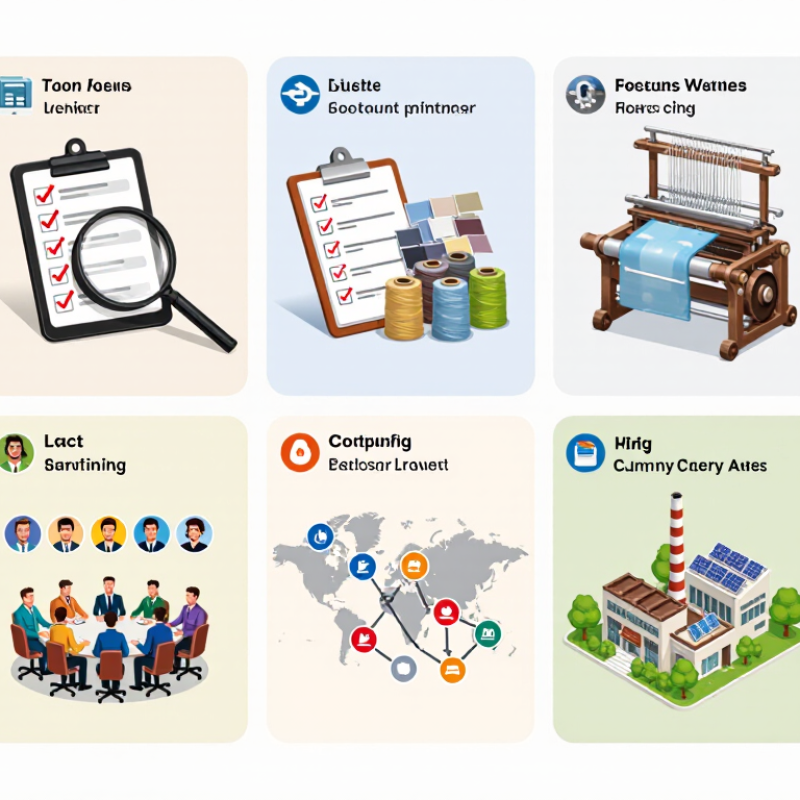
10 Tips for Sourcing Woven Wear Globally?

Define the Global Woven Wear Sourcing Scope

Define the Global Woven Wear Sourcing Scope

Define the product before contacting suppliers. Specify fiber content, weave structure, fabric weight, finish, color range, and target price. Separate shirts, trousers, jackets, and home textiles. Their testing needs differ. Textile Exchange’s Materials Market Report 2024 estimates global fiber production reached 124 million tonnes in 2023. It may approach 160 million tonnes by 2030. This scale increases material choice, but also complicates traceability. A narrow scope improves comparison.

Tip: Write a one-page sourcing brief. Include acceptable fiber percentages, width, GSM, shrinkage limits, colorfastness, order quantity, and delivery window. Add the destination market and required documentation. Do not assume every mill measures GSM identically. Request test methods and sample records. A perfect specification rarely survives the first supplier call. That is normal.

Tip: Map the supply chain beyond the factory. Identify the yarn source, weaving site, dyehouse, finishing unit, and testing laboratory. Ask which steps are subcontracted.

The WTO World Trade Statistical Review 2024 recorded a 1.2% decline in global merchandise trade volume during 2023. Demand can change quickly. Keep a primary route and a qualified backup route.

Tip: Score suppliers using quality, capacity, lead time, transparency, and corrective-action history. Price matters, but it should not dominate the score. My own sourcing judgment would remain provisional until production samples, wash tests, and shipment records agree.
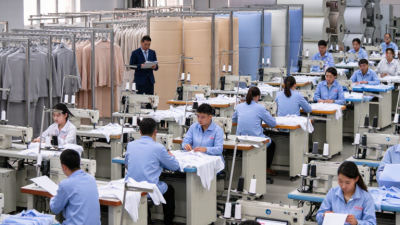

Assess Suppliers, Regions, and Production Capabilities

10 Tips for Sourcing Woven Wear Globally: Assess Suppliers, Regions, and Production Capabilities

Global sourcing starts with evidence, not a polished showroom. I request registration documents, factory ownership details, recent audit records, and customer references. A live video tour should show cutting tables, looms, sewing lines, inspection areas, and finished-goods storage. Ask for machine lists, monthly capacity, minimum order quantities, and overtime practices. Then compare these details with actual production samples. Textile Exchange’s 2024 Materials Market Report recorded 124 million tonnes of global fiber production in 2023. It projects nearly 160 million tonnes by 2030. This growth makes fiber traceability and supplier capacity more important. Certificates help, but they are not proof.

Region selection should match the fabric and delivery model. Review local access to yarns, dye houses, skilled operators, ports, and testing laboratories. The World Bank’s 2023 Logistics Performance Index compares customs, infrastructure, shipment quality, and delivery reliability across economies. Use it as a risk signal, not a final decision. WTO’s World Trade Statistical Review 2024 also separates textile and clothing trade data, helping buyers compare regional export strength. I usually request a pilot order before committing to volume. Test shrinkage, colorfastness, seam strength, and shade consistency after washing. Build a backup supplier early. I still get this wrong sometimes. A factory may pass an audit yet struggle with urgent woven orders, so production records deserve more attention than presentation materials.

10 Tips for Sourcing Woven Wear Globally: Assess Suppliers, Regions, and Production Capabilities

Use logistics performance as an initial regional screening indicator. Higher scores may support more predictable fabric, trims, and finished-garment movement, but supplier approval should also include factory audits, quality systems, minimum order quantities, machinery, lead times, labor compliance, and woven-product expertise.

Overall Logistics Performance Index scores, selected economies, 2023. Source: World Bank, Logistics Performance Index 2023. The index is a regional logistics indicator, not a supplier-quality rating.

Verify Quality Standards, Materials, and Compliance

10 Tips for Sourcing Woven Wear Globally

In practical sourcing reviews, fabric quality often fails before sewing begins. Request the fiber composition, yarn count, fabric weight, weave structure, and shrinkage results. Compare these details with a sealed production sample, not only a supplier’s photograph. Textile Exchange’s Materials Market Report 2024 reports that polyester represented about 57% of global fiber production in 2023. Therefore, recycled content claims need transaction records, not attractive wording. Check certificates, scope, validity dates, and product references. Small inconsistencies matter.

Ask an independent laboratory to test colorfastness, pilling, seam strength, dimensional stability, and restricted substances. ISO 3758 supports care-label information, while ISO 6330 provides washing procedures for textile testing. A report without the correct method may look professional but prove little. Require lot-specific testing before shipment. Inspect cartons, shade bands, and moisture protection at the loading site. I have seen excellent samples followed by uneven bulk fabric. That gap deserves attention.

Compliance must cover the entire supply chain. Map spinning, weaving, dyeing, finishing, and subcontracting locations. The UNEP report on the textile value chain estimates that textiles create 2–8% of global greenhouse-gas emissions. Ask factories for chemical inventories, wastewater records, worker-safety evidence, and corrective-action plans. OECD due-diligence guidance recommends identifying, preventing, and addressing supply-chain risks. Do not treat an audit as permanent proof. Conditions change. Your checklist may still miss something, and that is a reason to review it.

Compare Costs, Lead Times, and Shipping Conditions

10 Tips for Sourcing Woven Wear Globally

Compare Costs, Lead Times, and Shipping Conditions

A low unit price can hide expensive details. Request a full quotation covering fabric, trims, packaging, inspections, and inland transport. I also compare prices at the same quantity and specification. Otherwise, the comparison becomes misleading. A woven shirt priced at $6 may need stronger buttons, tighter stitching, or special folding. Those small changes can alter the final cost quickly.

Lead time needs more than a factory promise. Ask for sampling time, material booking, production days, quality checks, and dispatch dates. In my sourcing work, fabric availability often caused delays before sewing even began. Add a practical buffer for holidays, port congestion, and rework. Some suppliers dislike this question. Ask it anyway. A seven-day promise may sound attractive, but it may not reflect real production capacity.

Shipping conditions deserve equal attention. Compare EXW, FOB, CIF, and delivered quotations only when you understand the included services. Check carton measurements, gross weight, loading limits, insurance, and destination charges. Confirm whether the supplier can provide export documents accurately and on time. Air freight may protect a launch date, while sea freight usually reduces cost. However, a delayed vessel can erase that saving. I once underestimated port handling fees, and the final landed cost exceeded the original estimate. That mistake still influences how I review quotations today.

10 Tips for Sourcing Woven Wear Globally? – Compare Costs, Lead Times, and Shipping Conditions

Tip Sourcing Region Typical Woven Garments Indicative FOB Cost / Piece Sample Lead Time Bulk Production Lead Time Common Shipping Route Typical Transit Time Shipping Conditions to Confirm
1 China Woven shirts, dresses, jackets, trousers US$4.50–18.00 7–14 days 45–75 days Ocean freight to North America or Europe 25–45 days Confirm port, vessel schedule, export documents, carton limits, and Incoterms® 2020.
2 Bangladesh Cotton shirts, blouses, denim bottoms US$3.80–14.00 10–18 days 50–90 days Ocean freight through Bay of Bengal services 30–50 days Check cut-off dates, transshipment risk, inland transport, and port congestion allowances.
3 Vietnam Structured shirts, outerwear, tailored trousers US$5.50–20.00 7–15 days 45–75 days Container freight to East Asia, Europe, or North America 20–40 days Compare direct and transshipment services, peak-season surcharges, and container availability.
4 India Cotton dresses, linen-look shirts, embroidered garments US$5.00–19.00 10–20 days 50–85 days Ocean freight from western or eastern Indian ports 25–45 days Verify fabric shrinkage, customs classification, port handling, and documentation accuracy.
5 Türkiye Fashion shirts, jackets, skirts, trousers US$7.00–24.00 7–14 days 35–65 days Road or short-sea freight to Europe; ocean freight to other regions 5–20 days to Europe; 25–40 days by ocean farther away Clarify border procedures, road-freight liability, delivery appointment rules, and duty treatment.
6 Portugal and Eastern Europe Premium shirts, blazers, small-batch collections US$10.00–32.00 5–12 days 30–60 days Road freight within Europe; short-sea freight for selected lanes 2–12 days within Europe Confirm delivery windows, pallet standards, VAT responsibilities, and cross-border insurance.
7 Morocco Fast-fashion dresses, shirts, lightweight jackets US$6.50–22.00 7–14 days 35–65 days Road freight to Europe or short-sea shipping across the Mediterranean 3–15 days to Europe Check ferry schedules, customs clearance, origin documents, and seasonal capacity.
8 Indonesia Rayon dresses, casual shirts, printed woven apparel US$5.00–18.00 10–18 days 50–85 days Ocean freight through Southeast Asian transshipment hubs 25–45 days Allow for island-based inland movement, feeder services, humidity protection, and booking delays.
9 Pakistan Cotton shirts, workwear, twill trousers US$4.00–15.00 10–20 days 50–90 days Ocean freight from the Arabian Sea to destination ports 30–50 days Confirm energy-related production schedules, container availability, inspection timing, and port charges.
10 Mexico and Central America Short-run shirts, uniforms, denim, replenishment items US$7.00–25.00 5–12 days 30–60 days Truck or rail to North America; ocean freight for other markets 2–10 days by road to nearby markets Compare duty preferences, border crossing times, truck appointment rules, and cargo insurance limits.
Data note: Cost ranges are indicative FOB estimates in U.S. dollars for standard woven garments and can vary by fabric composition, order quantity, construction, trims, certifications, labor requirements, and quality standards. Lead times exclude public holidays, material approval delays, testing, and unexpected logistics disruptions. Freight transit times are port-to-port or border-to-border estimates and exclude customs clearance and final delivery.

Build Reliable Partnerships and Manage Sourcing Risks

10 Tips for Sourcing Woven Wear Globally

Build Reliable Partnerships and Manage Sourcing Risks

Global woven-wear sourcing needs more than competitive quotations. Textile Exchange’s Materials Market Report 2024 recorded 124 million tonnes of global fiber production in 2023. That scale increases pressure on mills, dye houses, and transport networks.

Begin with a narrow supplier shortlist. Verify factory ownership, production capacity, machine lists, lead times, and subcontracting controls. Ask for recent audit evidence, test reports, and corrective-action records.

Documents can be polished. Factory conversations reveal more.

Use a shared technical pack. Define yarn count, weave structure, fabric weight, shrinkage limits, color tolerance, and inspection points. Request a small lab dip and a pre-production sample. Record every approval in one system.

Agree on payment milestones, delay notices, quality remedies, and exit procedures before production begins. A relationship should survive bad news, not only successful shipments.

The World Bank’s Logistics Performance Index 2023 assessed 139 economies through 4,090 trade professionals. It highlights customs, infrastructure, and shipment reliability as separate risks.

Build backup routes and qualify a second mill for critical fabrics.

Monitor port congestion, currency movements, weather exposure, and raw-material availability monthly.

Keep safety stock for core articles, but do not overproduce without demand evidence.

I have seen teams trust one inspection report too much. That is a weakness. Independent testing, unannounced visits, and worker interviews provide stronger signals.

No scorecard catches every failure.