What is the Appeal of Graphic Tees in Global Fashion Market?
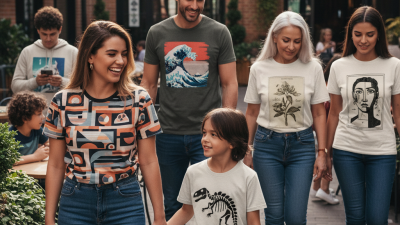
The graphic tees market is a vibrant segment within global fashion, exhibiting remarkable growth. Research indicates that the global graphic tees segment is expected to reach $250 billion by 2025, driven by youthful demographics. As consumers seek self-expression through fashion, graphic tees have become a canvas for personal identity and creativity.
Fashion expert Dr. Sarah Lindley highlights this trend, stating, “Graphic tees represent more than just clothing; they embody culture and individuality.” This assertion underlines the appeal of graphic tees, as they allow wearers to showcase their passions and beliefs boldly. With diverse designs, graphic tees cater to various interests, making them a staple in everyday wardrobes.
However, this popularity brings challenges. The industry faces concerns about sustainability and ethical production practices. As brands respond to consumer demand for responsible choices, the journey of graphic tees remains complex. Balancing style, individuality, and environmental consciousness will define the future of graphic tees in the global market.
The Historical Context of Graphic Tees in Fashion Evolution
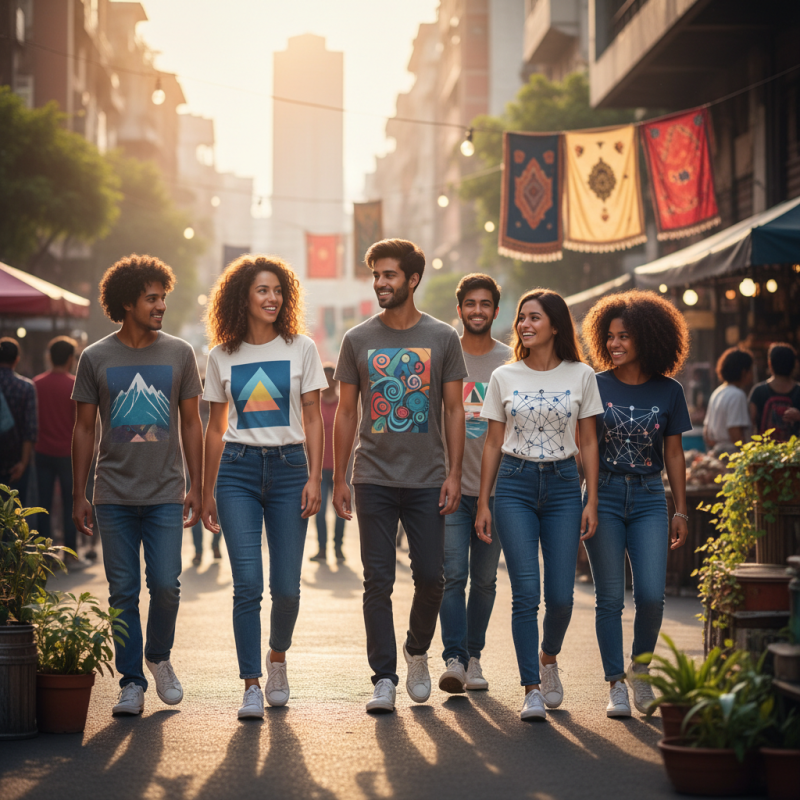
Graphic tees have become a staple in global fashion. Their roots trace back to the 1960s when young people began using clothing as a form of self-expression. In the era of rock music and counterculture, these shirts conveyed messages that resonated with rebellion and individuality. They often featured bold graphics and slogans that challenged social norms.
Over the years, graphic tees have evolved significantly. Initially seen as casual wear, they began to showcase art and political messages. The rise of mass production made these tees accessible to the masses. This shift allowed diverse voices to be heard, turning an item of clothing into a canvas for creativity. Today, you can find tees that reflect various cultures, movements, and personal beliefs.
However, the market is not without its challenges. As graphic tees gain popularity, authenticity can be questioned. Many consumers are drawn to designs without understanding their origins. This raises concerns about cultural appropriation and responsible fashion practices. It's essential to reflect on the implications of our choices in fashion, particularly when wearing history on our sleeves.
Market Trends: Growth Statistics in Graphic Tee Sales Globally
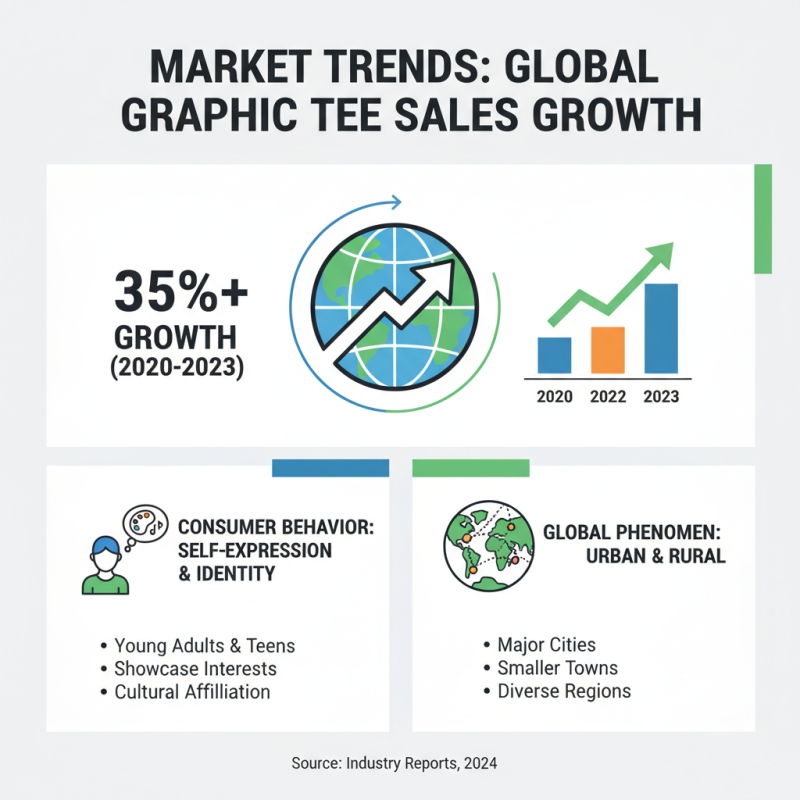
The global market for graphic tees has shown significant growth in recent years. This popularity can be attributed to various factors influencing consumer behavior. Young adults and teens are particularly drawn to these designs, often viewing them as a means of self-expression. They enjoy showcasing personal interests and cultural identities through unique graphics. This trend is evident in various regions, from urban centers to smaller towns.
Sales statistics reveal an upward trajectory. In the past few years, the graphic tee sector has outperformed traditional clothing categories. Reports indicate that the market value is expected to exceed several billion dollars in the coming years. This growth reflects changing fashion dynamics. Online shopping has contributed to this increase, making graphic tees more accessible. It also allows for a wider variety of designs to reach consumers worldwide.
However, not all brands are succeeding equally. Some struggle to keep up with trends and customer preferences. Many graphic tees have become overly generic and lack originality, leading to consumer fatigue. The challenge lies in innovation and understanding what resonates with audiences. As the market evolves, brands must keep exploring fresh ideas to stay relevant in this competitive landscape.
Target Demographics: Who Buys Graphic Tees and Why
The global demand for graphic tees spans various demographics, primarily driven by younger consumers. A report by Grand View Research indicates that the graphic t-shirt market is expected to reach $3.64 billion by 2025. Millennials and Gen Z represent a significant portion of this growth, valuing self-expression through unique designs. They often seek items that reflect personal beliefs, interests, or humor, making graphic tees an ideal choice.
The appeal of graphic tees also lies in their accessibility. They are affordable fashion items. According to Statista, approximately 30% of consumers aged 18-34 purchase graphic tees for casual wear. This price point allows for frequent purchases, fostering brand loyalty. While some designs resonate well, others occasionally miss the mark, failing to connect with audiences. This variability can lead to consumer disappointment, prompting brands to refine their offerings.
Moreover, the rising trend of sustainability is influencing graphics tee purchases. According to McKinsey, 67% of consumers consider environmental impact when buying clothes. Young buyers are drawn to brands that prioritize ethical practices. Yet, there is a gap. Many brands claim sustainability without transparent practices. This reality raises questions about consumer trust and brand integrity in a saturated market.
Cultural Impact: The Role of Graphic Tees in Fashion Statements
Graphic tees have carved out a significant niche in the global fashion market, transcending mere clothing to make impactful cultural statements. According to a report from Allied Market Research, the graphic T-shirt market is projected to reach $2.4 billion by 2026, signaling strong consumer interest. These tees often feature provocative designs, artistic expressions, and messages that resonate with current socio-political issues. Such attributes encourage people to express personal beliefs and lifestyles through their fashion choices.
The impact of graphic tees on cultural dialogue is profound. They serve as wearable art, reflecting trends, music, and movements that matter. A survey published by Grand View Research indicated that 54% of respondents feel that clothing can influence their mood and self-expression. Many wear graphic tees not only for comfort but as a way to engage in conversations around identity, community, and activism. The message depicted can inspire, provoke thought, or foster a sense of belonging within subcultures.
However, the accessibility of graphic tees can dilute their intended message. Mass production risks turning a form of self-expression into a commodity, leading to a scenario where meaning is lost. Consumers may struggle to find authenticity in designs that feel overly commercialized. Engaging critically with what's worn can help individuals navigate the intersection of fashion and social commentary more thoughtfully. The allure of graphic tees remains potent, but their value demands deeper reflection on their cultural significance.
Sustainability Practices: Eco-Friendly Innovations in Graphic Tee Production
The demand for graphic tees in today's global fashion market is largely driven by sustainability practices. Eco-friendly innovations in production are reshaping this segment. According to a 2022 report by McKinsey, 67% of consumers consider sustainability when making fashion purchases. This shift is now evident in graphic tee manufacturing.
Many brands are exploring organic cotton and recycled fabrics. Research shows that using recycled polyester can save up to 60% in energy consumption compared to virgin polyester. Additionally, water usage is reduced significantly. Yet, challenges remain. The cost of sustainable materials is often higher, leading to debates around pricing versus eco-friendliness.
Furthermore, many brands face hurdles in implementing transparent supply chains. Certification processes can be lengthy and complex. A 2021 survey found that 55% of companies struggle to maintain sustainability standards across their supply chains. It is crucial to rethink these practices to ensure brands genuinely contribute to the environment. The journey towards sustainable fashion is still evolving.
What is the Appeal of Graphic Tees in Global Fashion Market? - Sustainability Practices: Eco-Friendly Innovations in Graphic Tee Production
| Category |
Sustainability Initiative |
Impact on Production |
Consumer Appeal |
| Materials |
Organic Cotton |
Reduced pesticide use by 90% |
Increased demand from eco-conscious consumers |
| Dyes |
Water-Based Inks |
Lower water pollution |
Appeals to environmentally aware customers |
| Production Practices |
Zero Waste Manufacturing |
Minimizes fabric waste |
Attracts sustainability-focused consumers |
| Packaging |
Recyclable Materials |
Reduces landfill waste |
Enhances brand image among eco-friendly buyers |
| Supply Chain |
Local Sourcing |
Lower carbon footprint |
Fosters community support and transparency |

 +86 15968093247
 CONTACT NUMBER
 CONTACT e-mail