Top Workout Clothes Trends to Watch in 2026?
As we look ahead to 2026, workout clothes will continue to evolve in exciting ways. The emphasis will shift towards sustainability, with more brands using recycled materials. This shift reflects a growing awareness of environmental issues. Athletes and fitness enthusiasts are increasingly demanding eco-friendly options. Expect to see vibrant colors and bold patterns gaining popularity, standing out in crowded gyms.
Comfort remains key, but functional designs will push boundaries. Think about clothes that adapt to various activities. Versatility will no longer be optional; it's essential. Brands must reflect real user needs more than ever. Additionally, the integration of technology in workout clothes will expand, offering smart fabrics that monitor performance. However, this raises questions about privacy and data security.
The journey of workout clothes is complex. Trends may not satisfy everyone, leading to better discussions on fit and style. As we observe these changes, it's crucial to reflect on the balance between fashion and function. The future of workout clothes holds promise but invites scrutiny.
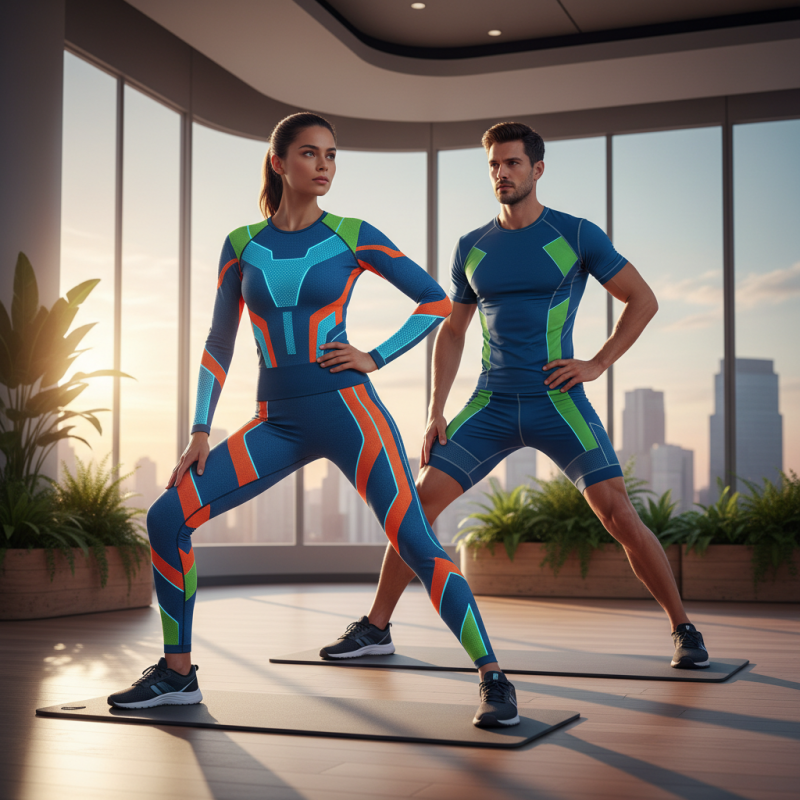
Emerging Fabric Technologies Revolutionizing Activewear in 2026
As we step into 2026, activewear is set to undergo a significant transformation. Emerging fabric technologies are redefining how we view workout clothes. Breathable materials made from recycled ocean plastics are gaining traction. These fabrics not only help the environment but also enhance performance during workouts. Lightweight yet durable, they offer comfort while being environmentally responsible.
Another exciting development is moisture-wicking technology. Fabrics that adapt to body temperature are on the rise. They keep you dry when it’s hot and warm when it’s cold. However, some users find these fabrics can sometimes lack durability. It’s a trade-off worth considering as we embrace new innovations.
Moreover, smart textiles equipped with sensors are entering the market. These fabrics can monitor heart rate and track performance in real-time. While this technology seems impressive, it raises questions about data privacy and reliability. As activewear evolves, we must reflect on the balance between advancement and personal safety. The future of workout clothes looks bright, but it brings its own set of challenges.
Sustainable Workout Clothing: Market Trends and Consumer Preferences
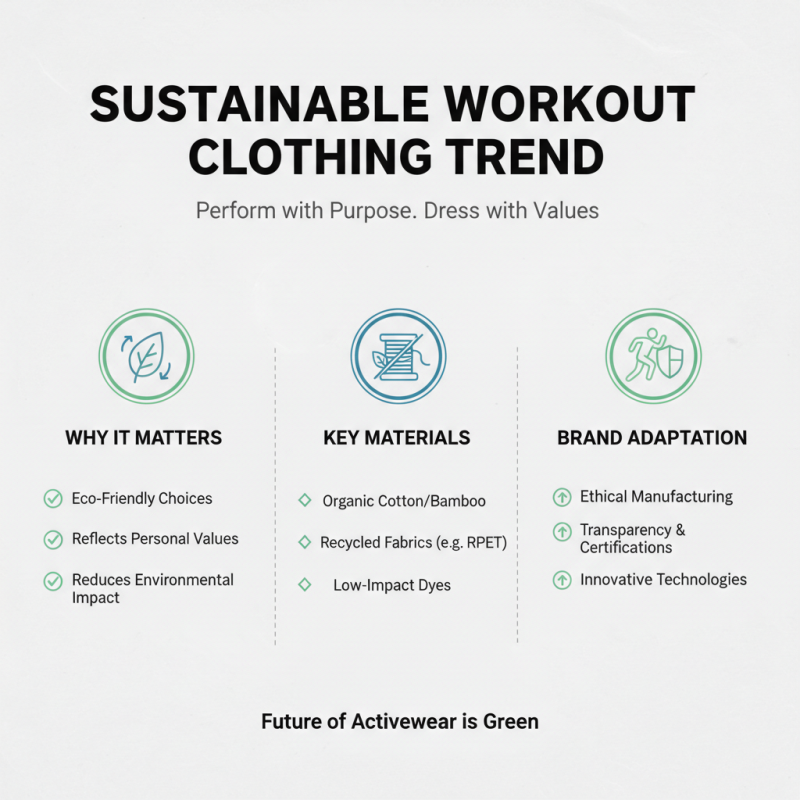
Sustainable workout clothing is emerging as a significant trend. As more consumers prioritize eco-friendly choices, brands are adapting. Many are using organic materials, recycled fabrics, and low-impact dyes. This shift is reshaping how we view activewear. People want clothes that reflect their values, supporting sustainability.
Market research shows a growing preference for durability and performance. Consumers seek items that last, rather than fast fashion. This trend encourages brands to create thoughtful designs. Yet, not every company is making sustainable decisions. Some still rely on conventional methods that harm the planet. Transparency is vital for building trust.
People are often confused about what makes clothing sustainable. Benefit labels can be misleading. There’s a need for clarity. While many want to invest in eco-friendly options, hesitance remains. The balance between style, performance, and sustainability isn’t always easy to achieve. Consumers have a role to play in demanding better practices from brands.
The Rise of Smart Fitness Apparel: Data and Analytics in 2026
As we approach 2026, smart fitness apparel is making waves. These garments are more than just clothing; they integrate technology to monitor and enhance performance. Sensors woven into the fabric collect data on heart rate, calories burned, and muscle activity. This immediate feedback can help athletes adjust their workouts on the fly. But are we relying too much on data?
While this technology improves capabilities, it raises questions. How accurate are the measurements? What happens if the data malfunctions or is misinterpreted? Users may find themselves lost in the numbers, forgetting the joy of physical movement. It's vital to maintain a balance between data reliance and instinctual training.
Incorporating smart fabric into everyday workout gear also opens the door to personalization. People can track their progress and set tailored goals. This could foster a deeper connection to fitness. Yet, we must reflect on whether all this data leads to genuine improvement or just analysis paralysis. Embracing the trends cautiously will ensure that smart fitness apparel elevates, rather than overwhelms, the workout experience.
Top Workout Clothes Trends to Watch in 2026
This chart represents the projected popularity of various workout clothing trends in 2026. Smart fabrics are expected to dominate the market with 35%, followed by sustainable materials at 25%. Athleisure continues to hold significant ground at 20%, while high-performance designs and wearable technology remain niche at 15% and 5%, respectively.
Diversity in Fitness Wear: Inclusivity and Size Representation in 2026
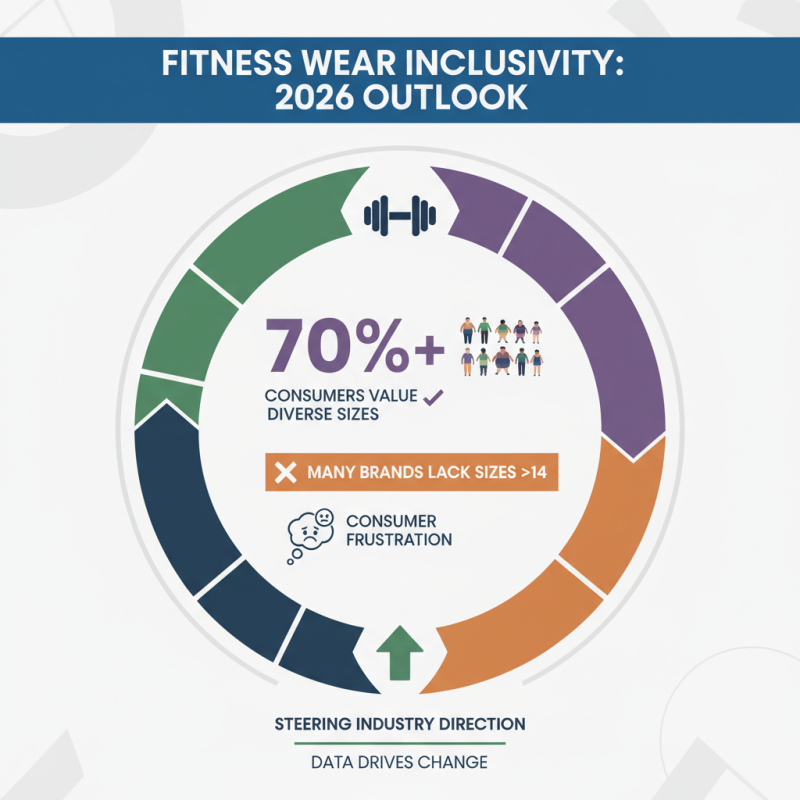
In 2026, inclusivity in fitness wear will steer the industry's direction. Data suggests that over 70% of consumers value diverse size ranges in athletic apparel. Surprisingly, many brands still fall short in providing options above size 14. Consumers often express frustration over limited choices.
The push for representation will reshape collections. It's not just about size; it’s also about celebrating different body types. Reports show that 60% of shoppers feel misrepresented in current marketing campaigns. This gap indicates a significant opportunity for brands. They need to authentically reflect varied fitness journeys.
Furthermore, accessibility remains an issue. Often, plus-size options lack innovative designs. Simple silhouettes dominate, leaving many longing for style. The call for well-fitting, fashionable gear is loud. Industry experts predict brands that innovate in this area will dominate the market. If companies can embrace diversity and listen to consumer feedback, the landscape of workout wear could transform dramatically.
Predicting Color Trends and Aesthetic Preferences for Workout Gear in 2026
As we look forward to workout clothes trends in 2026, colors and aesthetics will play a huge role. Expect bold hues to dominate the scene. Vibrant shades of electric blue and neon green might take the lead. These colors not only reflect energy but also drive motivation. Subtle earth tones could emerge too, offering balance and grounding. A mixture of both can cater to diverse tastes.
Texture will become crucial in choosing workout gear. Expect more fabrics that mimic nature, such as recycled materials. This aligns with the growing eco-conscious mindset of many individuals. Designs may incorporate imperfect, organic patterns that reflect individuality and authenticity. These elements may resonate with a desire for personal expression during workouts.
In contrast to sleek, structured designs, loose-fitting and layered options might gain traction. Comfort should reign supreme, yet style won’t be sidelined. Think oversized tees paired with fitted leggings. This blend can create a relaxed, yet polished look. Choices may not always reflect the ideal. Fitness isn’t about perfection; it celebrates journeys, transformations, and imperfections. Exploring these aesthetic preferences can deepen the connection between individuals and their workout experiences.

 +86 15968093247
 CONTACT NUMBER
 CONTACT e-mail