What is a Wool Sweater and Why Should You Own One?
A wool sweater is more than just a piece of clothing; it represents warmth and comfort. As wool industry expert Anna Woolford states, “A wool sweater is a hug you wear.” This simple yet profound statement captures the essence of why these sweaters are cherished by many.
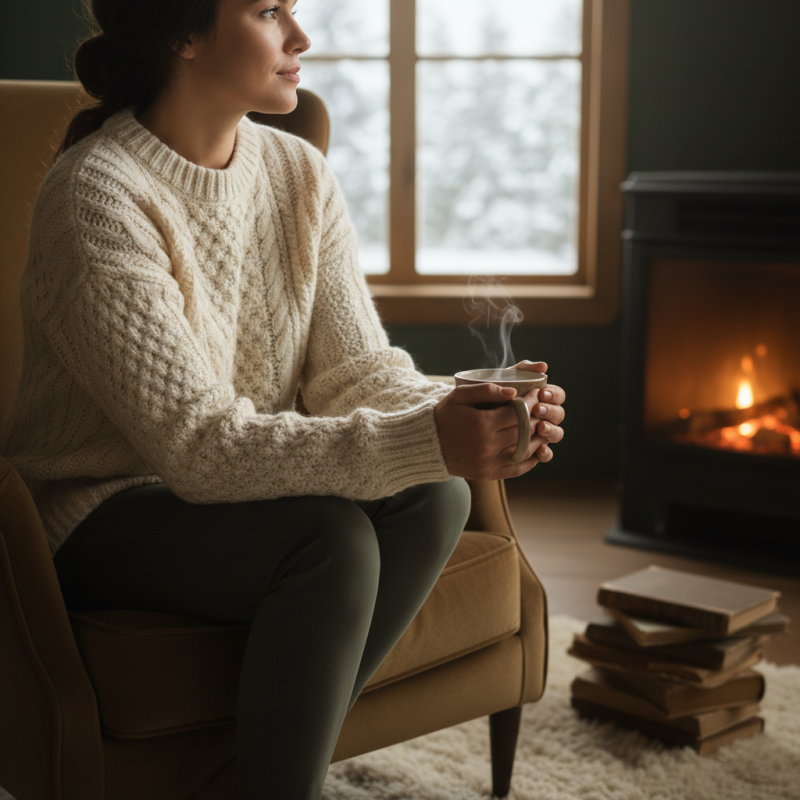
Wool sweaters are crafted from the fibers of sheep. They are, therefore, natural and breathable. The wool regulates body temperature, keeping you warm in winter and cool in summer. Imagine slipping into a soft, cozy wool sweater after a chilly day. The feeling is immediate: comfort envelops you. You can even feel the texture against your skin.
However, not all wool sweaters are created equal. Some may itch or lose shape after a few washes. Quality matters. It requires research to find a good brand. Care and maintenance can also be demanding. Proper washing and drying techniques are essential. Despite these points, owning a wool sweater is a rewarding experience. It combines style with versatility and can last for years. Embracing a wool sweater means embracing sustainable fashion.
What Defines a Wool Sweater and Its Unique Characteristics
A wool sweater is more than just a garment. It embodies warmth and comfort. The unique characteristics of wool make it an ideal choice for many. Wool fibers are naturally elastic and can stretch without losing their shape. This means a wool sweater often fits better over time.
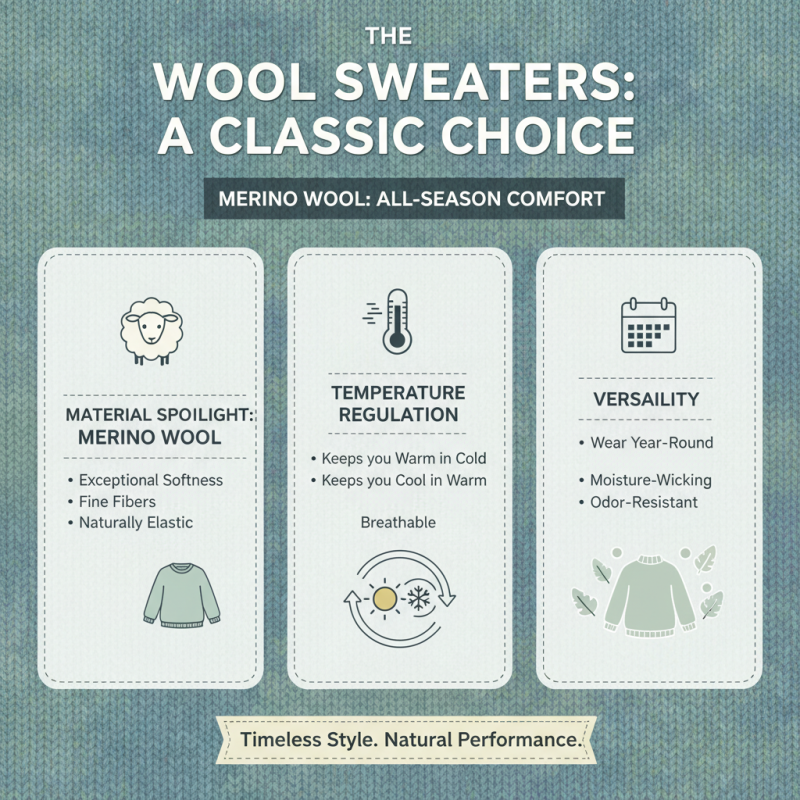
One defining trait is wool's moisture-wicking ability. This material can absorb up to 30% of its weight in moisture while still feeling dry. Imagine wearing a cozy sweater that keeps you warm yet doesn't feel damp. Additionally, wool is also naturally breathable. It allows air to circulate, ensuring comfort in various temperatures. This is particularly helpful during those unpredictable weather days.
However, wool sweaters aren't without their flaws. They can be prone to pilling, which may affect their appearance. Some people also find wool itchy against their skin. This might require finding the right blend or thickness for personal comfort. Despite these imperfections, the benefits often outweigh the drawbacks for many wearers. A wool sweater can become a cherished wardrobe staple, reflecting individual style and practical needs.
Wool Sweaters: Characteristics and Benefits
The Benefits of Owning a Wool Sweater for Different Seasons
Wool sweaters offer a unique blend of warmth and breathability, making them ideal for various seasons. In cooler months, a wool sweater provides excellent insulation. It traps heat close to your body while allowing moisture to escape. This keeps you warm without overheating. The soft texture also adds comfort, perfect for layering over lighter clothing.
In transitional seasons like fall and spring, wool sweaters shine. They can be worn alone or with a light jacket. Often, we underestimate their versatility. A light wool sweater can easily transition from chilly mornings to warmer afternoons. Wool’s ability to regulate temperature makes it great for these fluctuating days. You might even find that you prefer wool over synthetic options.
Summer nights can get chilly, too. A lightweight wool sweater is easy to pack for outings. It provides warmth without bulk. However, some might find wool irritating against their skin. It’s essential to choose the right blend. Not all wool feels the same. Experimenting with different types will help you find what suits you best. This journey to find the perfect fit can be frustrating but ultimately rewarding.
Popular Types of Wool Used in Sweaters and Their Features
When considering knitwear, wool sweaters emerge as a classic choice. They come in various materials, each offering unique benefits. Merino wool is among the most popular types. Recognized for its softness, it is ideal for all seasons. Reports indicate that Merino wool can regulate temperature effectively, making it comfortable in both cold and warm climates.
Another notable type is Shetland wool. Originating from the Shetland Islands, this wool is coarse and durable. It features natural oils that enhance its water resistance. A study showed that Shetland sweaters have higher longevity due to this unique characteristic. However, some find Shetland wool less comfortable against the skin compared to Merino.
Then there's lambswool, often used in knitwear. It is softer than regular wool, providing a plush feel. Many appreciate its breathability and moisture-wicking properties. A survey indicated that 70% of consumers prefer lambswool for its comfort. On the flip side, lambswool may not retain heat as well as Merino or Shetland wool. Thus, choosing the right type can be challenging but rewarding.
Care Instructions and Maintenance Tips for Wool Sweaters
Caring for wool sweaters is essential for longevity. Wool is delicate, and improper care can ruin its softness. Here are some tips to consider.
Hand washing is the best method. Use cold water and a gentle detergent. Don’t wring or twist the sweater. Instead, gently press the water out. Lay it flat on a towel to dry. This prevents stretching and helps maintain shape. Hang drying can cause sagging, so avoid that.
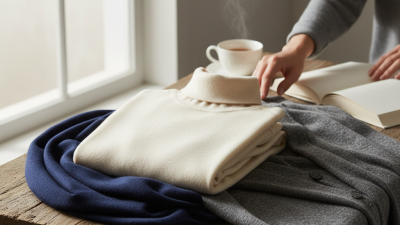
Storage matters too. Fold wool sweaters instead of hanging them. This prevents unwanted creases. Keep them in a cool, dry place. Use moth repellents if needed. Wool can attract pests. Regularly check for any signs of damage or wear. Repair small holes immediately. Ignoring them can lead to larger problems later.
Wool sweaters need a little love and attention. With proper care, they can last for years. Regular maintenance adds to their charm. Don't rush through these tasks. Enjoy the process of caring for your favorite piece.
What is a Wool Sweater and Why Should You Own One? - Care Instructions and Maintenance Tips for Wool Sweaters
| Feature |
Details |
| Material |
Typically made from sheep wool, can include merino, cashmere, or alpaca |
| Warmth |
Excellent thermal insulation, keeps you warm in cold weather |
| Breathability |
Wool fibers can absorb moisture while still allowing air circulation |
| Durability |
Resilient and can last for many years with proper care |
| Care Instructions |
Hand wash or dry clean, avoid hot water, gently reshape while damp |
| Common Uses |
Casual wear, outdoor activities, layering for colder climates |
| Maintenance Tips |
Store in a cool, dry place, protect from moths, avoid excessive washing |
Why Wool Sweaters Are Considered Timeless Fashion Staples
Wool sweaters have long been regarded as timeless fashion staples. Their ability to regulate temperature makes them ideal for various climates. According to a study by the Australian Wool Innovation Limited, wool can absorb up to 30% of its weight in moisture without feeling wet. This characteristic keeps wearers comfortable in both cold and warm conditions.
The fashion industry highlights the sustainability of wool fibers. A report from the International Wool Textile Organization indicates that wool is biodegradable and can last for years with proper care. This longevity promotes a more sustainable wardrobe. However, the impact of fast fashion raises questions about our choices. Are we fully appreciating the value of quality pieces like wool sweaters?
Wool sweaters also offer a unique style versatility. They can be dressed up or dressed down, suitable for various occasions. This adaptability is crucial in today's fashion landscape, where consumers seek multifunctional items. Despite this, some may find the investment in a good wool sweater daunting. Reflecting on our consumption habits could lead to better wardrobe choices in the long run.

 +86 15968093247
 CONTACT NUMBER
 CONTACT e-mail