Why Choose Plain Fabric for Your Next Sewing Project and What to Consider
Choosing the right fabric is a crucial step in any sewing project, and many sewists find themselves drawn to the timeless appeal of plain fabric. Plain fabric serves as a versatile canvas, enabling creativity and personalization in an array of sewing endeavors, from everyday garments to unique home decor items. Its lack of intricate patterns makes it an excellent choice for beginners and seasoned crafters alike, allowing each project to shine through without competing elements.
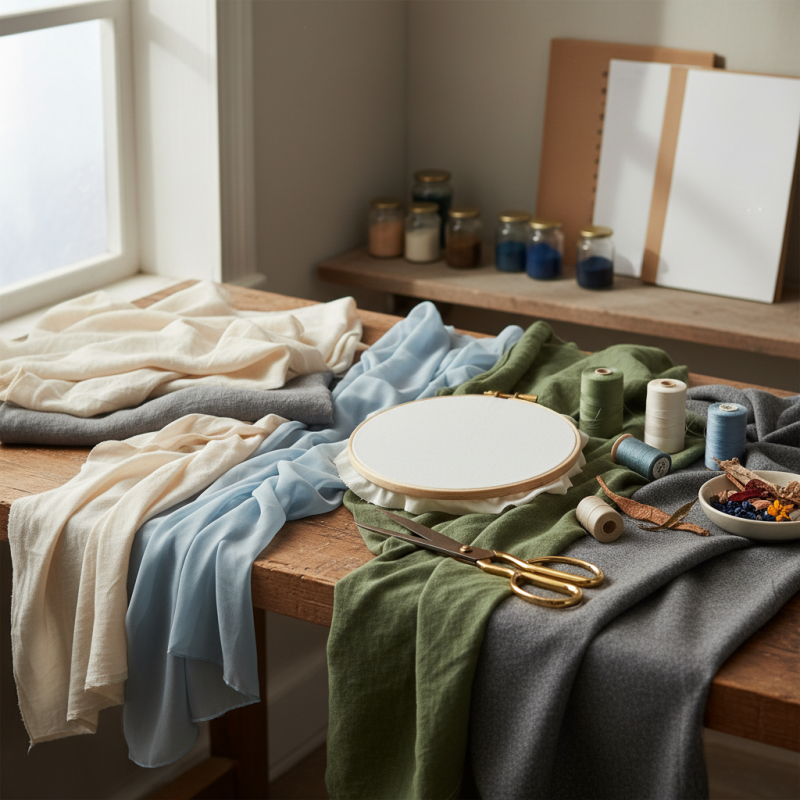
When considering plain fabric for your next sewing project, it’s essential to think about factors such as texture, weight, and drape, as these elements can significantly influence the final outcome. The simplicity of plain fabric allows for extensive customization, making it an ideal substrate for embroidery, dyeing, or pairing with striking prints. Whether you’re aiming to create a subtle, elegant look or a bold statement piece, understanding the qualities of plain fabric will ensure your projects meet your vision while providing a solid foundation for countless creative possibilities. Embracing this classic option not only enhances your sewing experience but also opens the door to myriad design choices limited only by your imagination.
Benefits of Choosing Plain Fabric in Sewing Projects
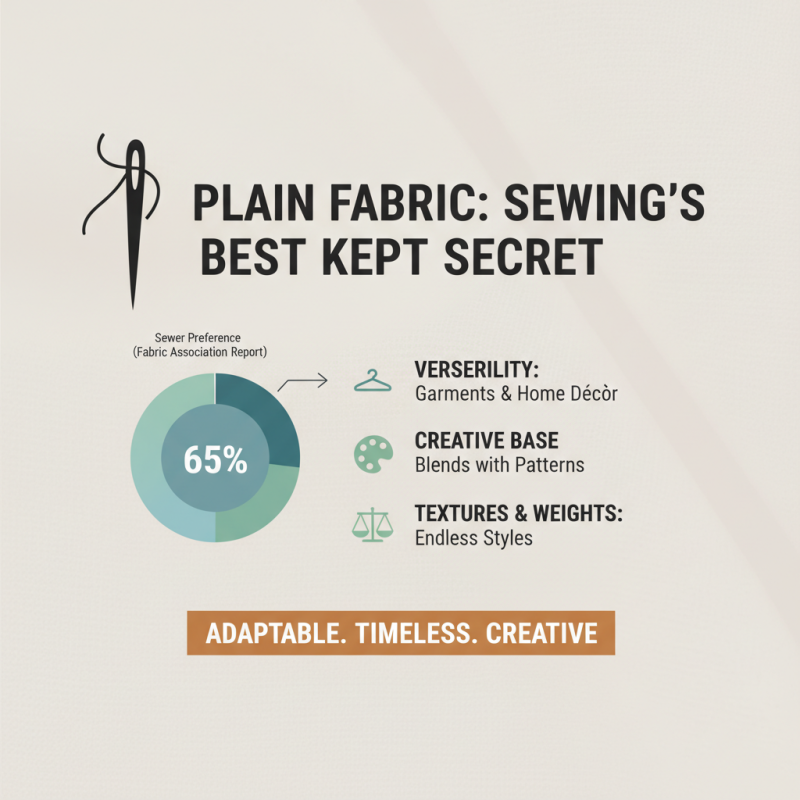
When embarking on a sewing project, the choice of fabric is paramount, and plain fabric stands out for several compelling reasons. One of the primary benefits is its versatility. According to a report by the Fabric Association, approximately 65% of sewers prefer plain fabrics due to their adaptability across a wide range of projects, from simple garments to intricate home décor. The simplicity of plain fabric allows it to effortlessly blend with patterns and textures, making it an ideal base for creativity. Additionally, plain fabrics often come in a myriad of textures and weights, providing a generous palette for various styles.
Tips: When selecting plain fabric, consider the weight and drape. Fabrics like cotton and linen offer structure, while silk and jersey provide a more fluid look. This selection can significantly impact the final appearance and usability of your project.
Another advantage of using plain fabric is its ease of care. Data from the Sewn Products Association indicates that projects made with plain fabric tend to be easier to wash and maintain, appealing particularly to those who prioritize practicality. This durability coupled with a timeless aesthetic ensures that garments crafted from plain fabric can be loved and worn for years without fading into trend obsolescence.
Tips: Always pre-wash your plain fabric before cutting to prevent shrinkage post-construction. This simple step can save you frustration later and ensure a perfect fit.
Understanding Different Types of Plain Fabrics and Their Uses
When considering plain fabrics for your next sewing project, it’s essential to understand the various types available and their specific applications. Cotton is one of the most popular options due to its breathability, softness, and versatility. It can be used effectively for anything from casual clothing to home décor projects. Additionally, cotton comes in various weights, making it suitable for both lightweight summer garments and heavier, more structured pieces.
Another common type of plain fabric is linen, valued for its natural strength and texture. Linen is ideal for summer apparel because it is lightweight and allows for airflow, keeping the wearer cool. It is also great for table linens and upholstery. On the other hand, polyester is a synthetic option that offers durability and resistance to wrinkles, making it an excellent choice for garments that require low maintenance. Each type of plain fabric provides unique textures and functional benefits, allowing sewists to select the best match for their intended designs and the practicality of their projects.
Comparison of Different Types of Plain Fabrics
This chart illustrates the popularity and common uses of various plain fabrics in sewing projects. It shows the percentage of usage for each type, helping you to understand which fabrics might be best suited for your next project.
Factors to Consider When Selecting Plain Fabrics for Your Project
When selecting plain fabrics for your sewing project, several factors should guide your decision-making process. First, consider the type of fabric material that suits your project. Cotton is a versatile and popular choice due to its breathability and ease of handling, making it ideal for garments and home decor. On the other hand, linen offers a natural texture and elegance, perfect for summer wear but may require more care in handling due to its tendency to wrinkle. If you need a fabric with more structure, look into cotton blends that incorporate elastane, providing a slight stretch while maintaining the fabric's integrity.
Another crucial factor is the weight of the fabric. Lightweight fabrics are excellent for flowing garments like blouses and dresses, while heavier options are better suited for structured pieces such as jackets or tailored trousers. Additionally, the fabric's drape can significantly affect the final outcome of your sewing project. Fabrics with a fluid drape create soft lines and movement, while stiffer fabrics retain shape, offering a more structured appearance. By evaluating these aspects—material, weight, and drape—you can choose the most appropriate plain fabric that aligns with your vision and functional requirements for your sewing project.
Why Choose Plain Fabric for Your Next Sewing Project and What to Consider - Factors to Consider When Selecting Plain Fabrics for Your Project
| Fabric Type |
Weight |
Breathability |
Durability |
Recommended Projects |
| Cotton |
Medium |
High |
Medium |
T-shirts, Dresses |
| Linen |
Light |
Very High |
Low |
Summer Wear, Curtains |
| Silk |
Lightweight |
Medium |
Low |
Evening Gowns, Scarves |
| Polyester |
Heavy |
Low |
High |
Outdoor Gear, Uniforms |
| Rayon |
Medium |
High |
Medium |
Blouses, Dresses |
Expert Recommendations on Plain Fabric Choices for Beginners
When embarking on a sewing project, especially for beginners, choosing the right fabric can be daunting. Plain fabric is often recommended as an excellent starting point due to its versatility and ease of use. According to industry experts, plain fabrics such as cotton, linen, and poly-blends represent over 70% of fabric choices used in beginner sewing classes. These fabrics are not only easy to sew but also forgiving, allowing new sewers to correct mistakes without becoming discouraged.
When selecting plain fabric, there are several factors to consider. First, the weight of the fabric plays a crucial role in the final outcome of your project. Lighter weights are ideal for garments like blouses and dresses, while heavier weights might be better suited for bags and home décor. Additionally, opting for a fabric with a bit of stretch can aid in ease of movement, especially in clothing. Remember to choose a fabric that feels comfortable against the skin, as this can greatly enhance the wearability of your finished creation.
Tips: Always pre-wash your fabric to avoid shrinkage and to ensure the colors remain vibrant after sewing. It’s also beneficial to practice stitching techniques on scrap pieces of the same fabric before starting your actual project. This allows you to familiarize yourself with the fabric's behavior, making the sewing process smoother and more enjoyable.
Cost-Effectiveness of Plain Fabrics Compared to Patterned Options
When considering fabrics for your next sewing project, the cost-effectiveness of plain fabrics can’t be overlooked.
Plain fabrics generally come at a lower price point compared to their patterned counterparts. This affordability allows crafters to allocate their budgets more effectively,
making it possible to buy more material or invest in higher-quality fabric without breaking the bank. Moreover, plain fabrics can be versatile and can be used for a variety of projects,
from garments to home décor, ensuring that your investment stretches far beyond just one creation.
Tips: When shopping for plain fabrics, always compare prices between different sellers and consider bulk purchasing options,
which often yield significant savings. Additionally, keep an eye out for sales or discounts on basic materials, as many retailers frequently offer deals
that can lower costs even further.
Another advantage of using plain fabrics is their adaptability. Without complex patterns to match, sewing becomes a smoother process,
reducing the likelihood of costly mistakes. This simplicity allows beginners to hone their skills without the intimidation that comes with intricate designs.
Plain fabrics can easily be accessorized or layered with patterned items, ensuring your creations remain stylish and current.
Tips: For project planning, consider choosing a main plain fabric and incorporating accents of patterned fabrics.
This approach not only maintains cost-effectiveness but also creates visual interest in your projects.

 +86 15968093247
 CONTACT NUMBER
 CONTACT e-mail