Top 10 Types of Lace Fabric: A Comprehensive Guide for Fashion Enthusiasts
Lace fabric has long been a staple in the fashion industry, known for its intricate designs and delicate textures. According to a report by Market Research Future, the global lace fabric market is expected to grow significantly, with an estimated value reaching USD 1.5 billion by 2025. This increase is attributed to the rising demand for lace in various clothing segments, including bridal wear and evening gowns. As the popularity of lace continues to surge, understanding the different types of lace fabric becomes essential for fashion enthusiasts and designers alike.
Industry expert Dr. Amelia Grant, a leading textile researcher, states, "Lace fabric not only enhances the aesthetic value of garments but also serves as a canvas for creativity and craftsmanship." Her insights highlight the pivotal role that lace plays in fashion, merging traditional techniques with contemporary styles. In this comprehensive guide, we will explore the top 10 types of lace fabrics, each offering unique qualities and applications, enabling fashion enthusiasts to make informed choices in their designs and wardrobe selections. The versatility and elegance of lace fabric remain unparalleled, cementing its status as a timeless element in both haute couture and everyday wear.
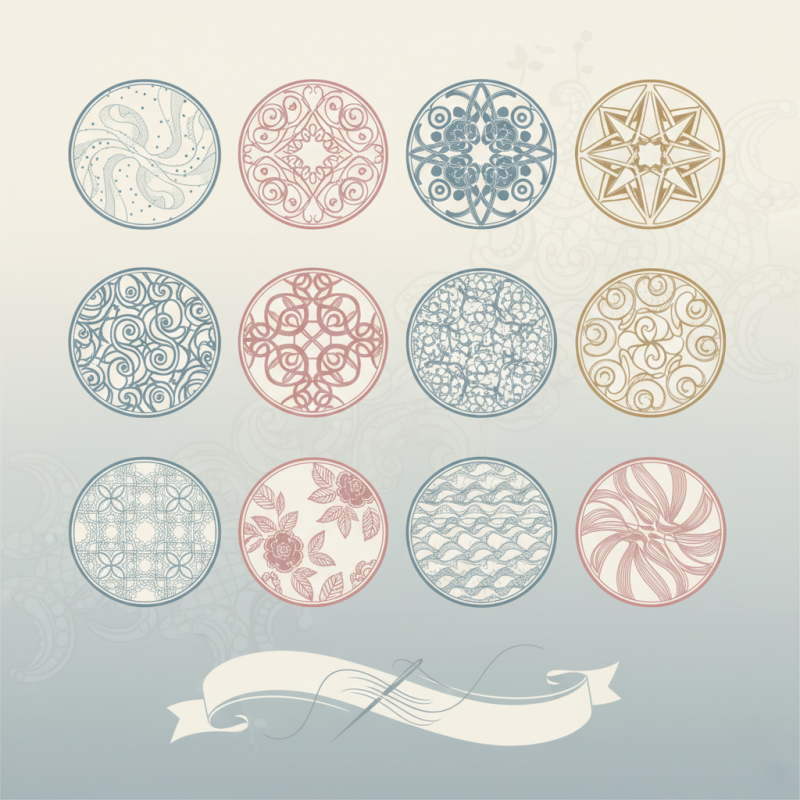
Types of Lace Fabric: An Overview of Lace Varieties
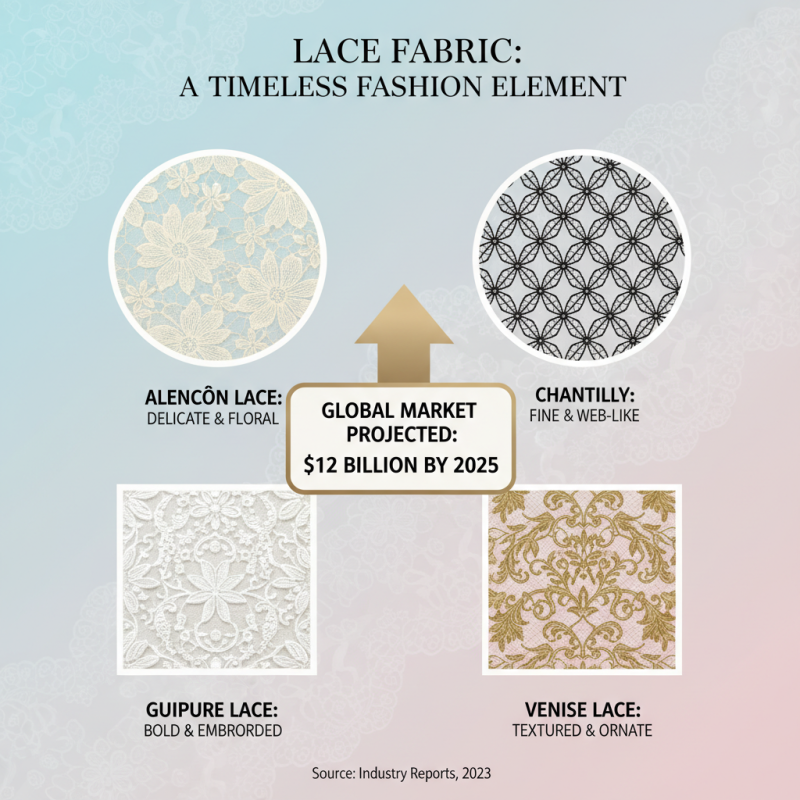
Lace fabric is a timeless element in the world of fashion, known for its delicate beauty and intricate patterns. As fashion enthusiasts explore their creative horizons, understanding the various types of lace can enrich their designs. According to recent industry reports, the global lace fabric market is projected to reach 12 billion USD by 2025, highlighting the increasing popularity and demand for specialized lace varieties in clothing and accessories.
There are several primary types of lace, each with unique characteristics and applications. Chantilly lace, renowned for its fine ground and elaborate motifs, is often utilized in high-fashion garments and bridal wear. Guipure lace, on the other hand, is heavier and has a more structured appearance, making it perfect for statement pieces. Additionally, Venetian lace, with its bold designs and rich history, continues to be a top choice for evening gowns. The versatility of lace extends beyond traditional uses, as contemporary designers incorporate it into everyday wear, underscoring the fabric's adaptability in modern fashion.
As the trends evolve, the use of lace fabric is not just limited to formal occasions. A report by FashionUnited indicates that casual wear incorporating lace elements has seen a rise in consumer interest, with sales increasing by 15% over the last year. This shift signifies that lace is shifting from its conventional roles, appealing to a broader audience and offering endless possibilities for creativity in fashion design. Fashion enthusiasts can experiment with various lace types to craft innovative and stylish outfits that capture the essence of elegance and sophistication.
Characteristics of Each Lace Type: Texture and Design Features
Lace fabric comes in various types, each characterized by unique textures and design features that appeal to fashion enthusiasts. One popular type is Chantilly lace, known for its delicate floral patterns and fine netting. This lightweight fabric often has a sheer quality, making it ideal for overlays on dresses or blouses, providing an ethereal look. The intricate details create a romantic aesthetic that works well for evening wear and bridal designs.
Another noteworthy kind of lace is Alençon lace, distinguished by its raised cord outline that gives a more dimensional effect to its floral motifs. This lace is often used in wedding gowns, thanks to its rich visual appeal and elegant texture. Alençon lace is typically heavier, which allows it to drape beautifully while adding a sophisticated touch to the overall garment. Meanwhile, Guipure lace, characterized by its embroidered motifs held together by a network of threads, offers a more structured and bold pattern, perfect for statement pieces. Its non-stretch nature and intricate designs can elevate casual outfits to chic ensembles, showcasing the versatility found within the world of lace fabrics.
Top 10 Types of Lace Fabric: A Comprehensive Guide for Fashion Enthusiasts
| Lace Type |
Characteristics |
Texture |
Design Features |
| Chantilly Lace |
Delicate, floral patterns |
Soft and lightweight |
Intricate detailing with a sheer background |
| Alençon Lace |
French lace with a raised cord pattern |
Stiff and structured |
Floral motifs with a distinctive outline |
| Guipure Lace |
Heavy and ornate with no net base |
Textured and thick |
Bold patterns with various motifs |
| Organza Lace |
Sheer and crisp with a smooth finish |
Light and airy |
Simple patterns, ideal for layering |
| Maltese Lace |
Hand-embroidered, typically white |
Stiff with a textured surface |
Geometric designs with loops and holes |
| Net Lace |
Simple, open weave fabric |
Smooth and flexible |
Versatile, often used for veils and overlays |
| Tulle Lace |
Lightweight with a fine netting |
Soft and fluffy |
Often used in skirts and overlays |
| Batista Lace |
Fine cotton fabric, often embroidered |
Soft and malleable |
Delicate patterns with floral and geometric designs |
| Broderie Anglaise |
Cotton fabric with eyelet embroidery |
Light and breathable |
Typically features floral designs bordered with embroidery |
| Limerick Lace |
Handmade, combining needle lace and embroidery |
Richly textured |
Floral and nature-inspired designs |
Common Uses of Lace Fabric in Fashion and Home Decor
Lace fabric, known for its delicate beauty and intricate designs, plays a significant role in both fashion and home décor. Fashion enthusiasts widely appreciate lace not only for its aesthetic appeal but also for its versatility. According to a report by the Global Textile Industry, the lace fabric market has been experiencing a steady growth rate, projected to reach $5.9 billion by 2027. This surge is largely influenced by its application in various fashion sectors, particularly in evening gowns, bridal dresses, and upscale clothing lines that emphasize elegance and femininity.
In home décor, lace fabric adds an element of sophistication and charm. Its transparent and airy quality makes it a popular choice for window treatments, table settings, and decorative accents. The American Home Furnishings Alliance notes that the use of lace in home textiles has seen an uptick, with a 15% increase in consumer demand over the past three years for products incorporating lace elements. These applications not only enhance the aesthetics of living spaces but also resonate with contemporary trends favoring vintage and romantic styles. The global embrace of lace fabric in both fashion and home décor is a testament to its timeless elegance and transformative potential, showcasing its ability to elevate any environment.
Caring for Lace Fabrics: Cleaning and Maintenance Tips
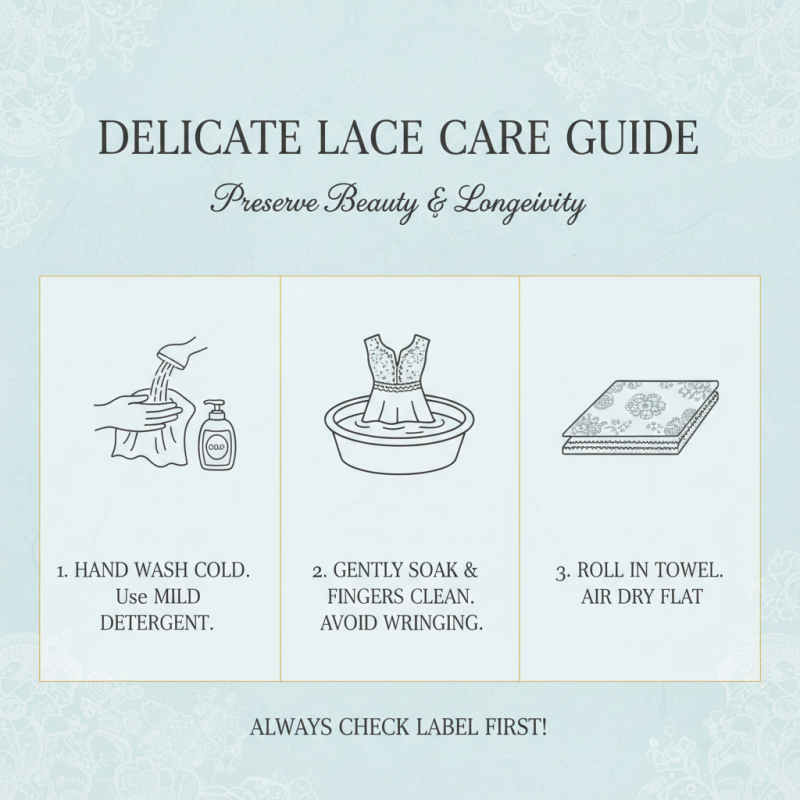
Caring for lace fabrics can be quite delicate, but with the right approach, you can preserve their beauty and longevity. First and foremost, it is essential to check the label on your lace garments for specific cleaning instructions. Most lace items can benefit from hand washing in cold water with a mild detergent to prevent damage. Soaking the fabric gently and using your fingers to clean it can help remove dirt without causing stress on the fibers. Avoid wringing or twisting the fabric; instead, lay it flat on a clean towel to absorb excess water.
For lace items that require ironing, use a low heat setting and place a thin cloth between the iron and the lace to protect it from direct contact. Steam can be useful, as it relaxes wrinkles without adding pressure. Additionally, storing lace appropriately is crucial. Opt for breathable garment bags or simply hang them in a way that avoids crushing the fabric, maintaining its intricate structure. Taking these steps will ensure that your lace garments remain stunning and wearable for years to come.
Trends in Lace Fashion: How Lace is Used in Modern Designs
Lace fabric has made a significant resurgence in modern fashion, evolving from classic to contemporary designs that appeal to a wide range of tastes. One of the most notable trends is the use of lace in layering, where delicate lace overlays are paired with more structured garments. This creates a versatile look that balances femininity and sophistication. Designers are increasingly experimenting with various colors and textures, moving beyond traditional white and cream to incorporate vibrant hues and intricate patterns, making lace a focal point in eveningwear and casual attire alike.
Additionally, lace is being integrated into unexpected pieces, such as athleisure and utilitarian styles. This innovative approach not only enhances the aesthetic appeal of everyday outfits but also reflects a growing trend towards blending comfort with elegance. Accessories, like lace-trimmed bags or shoes, have also become popular, allowing fashion enthusiasts to incorporate this timeless fabric into their daily ensembles. The fusion of lace with modern silhouettes and materials demonstrates its adaptability and enduring charm, ensuring it remains a staple in the ever-evolving landscape of fashion.
Trends in Lace Fashion: Popular Types of Lace Fabric

 +86 15968093247
 CONTACT NUMBER
 CONTACT e-mail