+86 15968093247


Choosing reliable China Top Casual Clothing Manufacturers requires more than comparing prices on a supplier platform. Global buyers need practical evidence, clear communication, and consistent production records. This guide explores manufacturers producing T-shirts, hoodies, sweatshirts, joggers, and lightweight jackets for international markets. It focuses on factory capabilities, material selection, customization, minimum order quantities, lead times, and quality control.
Details matter. A dependable manufacturer should explain fabric weight, fiber content, shrinkage testing, colorfastness, stitching standards, and packaging methods. Buyers should request current samples, factory photographs, audit documents, and verified production references. A cotton hoodie may feel excellent in one sample, yet change after washing. That small difference can affect returns, reviews, and long-term brand trust. Professional sourcing teams often compare several samples before approving bulk production.
No supplier is perfect. That matters. A polished website does not prove manufacturing strength, while a modest factory may deliver excellent workmanship. Buyers should review communication speed, corrective action, inspection procedures, and willingness to disclose limitations. Some factories specialize in small-batch development; others perform better with large repeat orders. The right choice depends on product complexity, target market, budget, and delivery expectations. This overview presents China’s Casual Clothing manufacturing landscape with a practical, evidence-based approach. It also encourages careful verification, because attractive promises can still require closer examination.
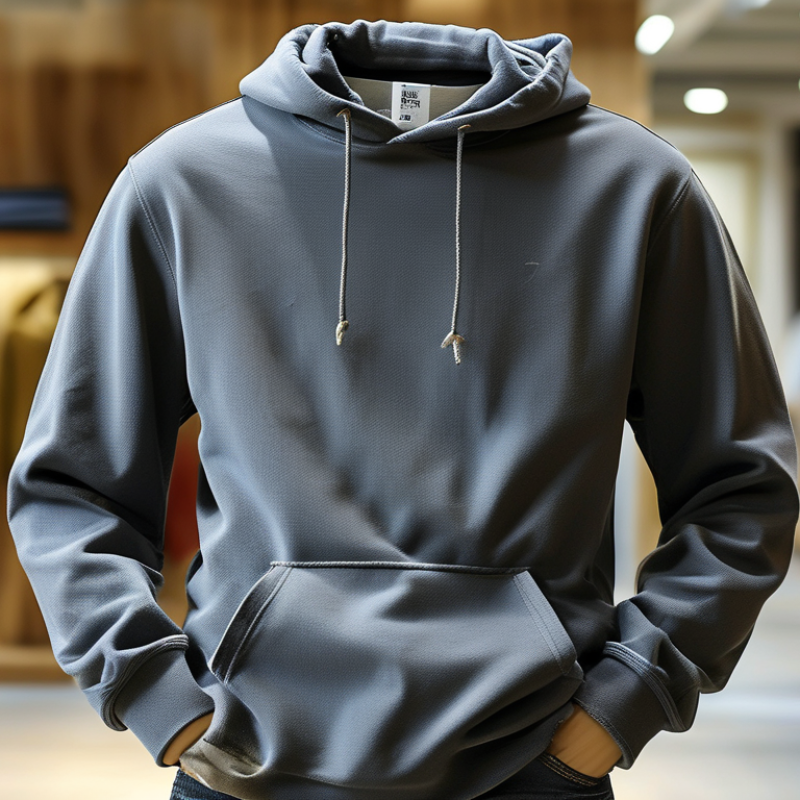
A top casual clothing manufacturer combines stable production with clear, practical communication. Experience shows in fabric handling, accurate sizing, and consistent stitching across repeated orders. Their sample room should show different weights, finishes, and construction methods. Details matter. Ask for fabric composition, shrinkage results, colorfastness records, and inspection procedures. A reliable factory explains these points without hiding behind vague claims.
Production control is equally important. Strong manufacturers use approved samples, measurement charts, and checkpoints from cutting through packing. They should manage small adjustments without disrupting the entire schedule. Their sourcing team can recommend cotton blends, recycled fibers, or lighter materials for specific climates. However, recommendations need evidence, not fashionable language. Request test reports, production photos, and a realistic timeline. A polished sample does not guarantee bulk consistency. That gap matters.
Responsible suppliers also understand labor expectations, workplace safety, labeling requirements, and destination-market regulations. Traceable records improve trust between buyers and production teams. I have seen factories with impressive equipment lose orders because updates arrived too late. Communication is part of quality. No factory is perfect. Even experienced manufacturers may miss a measurement or underestimate a busy season. What matters is whether they acknowledge problems, propose corrective actions, and document changes. A thoughtful buyer should review those responses carefully before approving larger production volumes.
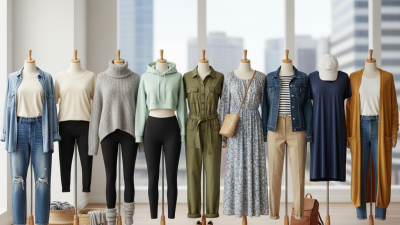
China’s casual clothing production is concentrated in several distinct regions. Each area offers different strengths, lead times, and supplier capabilities.
Guangdong supports fast fashion development through dense fabric, trimming, and sewing networks. Guangzhou and Dongguan are suitable for flexible, small-batch production. Zhejiang combines knitting, fabric finishing, and garment manufacturing around Ningbo, Jiaxing, and Hangzhou. Jiangsu is strong in casualwear, woven fabrics, and export logistics, especially near Nantong and Changshu. Fujian is known for sports-influenced casual clothing and efficient cut-and-sew capacity.
The regional picture is substantial. China Customs data, cited in China Textile Industry Federation industry reports, placed China’s textile and apparel exports above 290 billion US dollars in 2023. The WTO World Trade Statistical Review also confirmed China’s leading position in global textile and clothing exports. These figures show scale, not automatic suitability. A large production base may still hide uneven quality control.
For global buyers, regional matching matters. Guangdong can reduce development time when trims change frequently. Zhejiang may suit knitted tops with demanding fabric consistency. Jiangsu often supports larger, repeat orders with organized logistics. Fujian can be practical for durable casual styles and technical blends. Buyers should verify factory audits, testing records, fabric traceability, and real production samples. I have found that catalog claims are not enough. A promising region can still fail on communication, inspection discipline, or minimum order flexibility. Local strengths are real, but they require independent checking.
| Manufacturing Region | Main Manufacturing Hubs | Typical Casual Clothing Categories | Regional Manufacturing Strengths | Suitable Buyer Requirements | Important Sourcing Considerations |
|---|---|---|---|---|---|
|
Zhejiang Yangtze River Delta |
Shaoxing, Ningbo, Hangzhou, Yiwu and nearby textile-producing areas |
|
|
Fashion retailers, private-label buyers, online sellers and importers seeking varied fabrics, frequent seasonal styles and flexible order planning. | Confirm fabric composition, colorfastness, shrinkage control and environmental compliance. Fabric sourcing and garment assembly may take place in different cities. |
|
Jiangsu Yangtze River Delta |
Nantong, Suzhou, Wuxi, Changzhou and surrounding industrial areas |
|
|
Mid-market and premium casualwear buyers requiring stable quality, repeatable specifications and coordinated fabric-to-garment production. | Check whether the supplier specializes in knitted or woven products. Request testing for pilling, dimensional stability, seam strength and color migration. |
|
Guangdong Pearl River Delta |
Guangzhou, Dongguan, Shenzhen, Foshan, Zhongshan and Shantou |
|
|
Trend-led brands, private-label programs, streetwear buyers and importers needing rapid sampling, product variation and integrated sourcing services. | Labor and operating costs can differ significantly between cities. Verify production capacity, subcontracting controls, compliance documentation and lead-time commitments. |
|
Fujian West Coast of the Taiwan Strait |
Quanzhou, Jinjiang, Shishi, Xiamen and nearby apparel clusters |
|
|
Sports-lifestyle retailers, athleisure importers, school and clubwear buyers, and casualwear programs requiring performance-inspired details. | Define fabric performance requirements clearly, including moisture management, stretch recovery, abrasion resistance and print durability. |
|
Shandong Bohai Economic Rim |
Qingdao, Jinan, Weifang, Zibo and surrounding textile areas |
|
|
Workwear-casual retailers, uniform programs, value-oriented importers and buyers requiring durable fabrics and functional construction. | Pay attention to seasonal capacity, fabric weight, finishing consistency and freight planning for shipments routed through northern ports. |
|
Hubei Central China |
Wuhan, Jingzhou, Xiantao and nearby garment-production areas |
|
|
Buyers looking for scalable basics, regional supply-chain diversification and access to central China’s transportation network. | Assess the supplier’s export experience, international documentation capability, sample-development process and ability to manage overseas quality standards. |
|
Jiangxi Inland textile and apparel belt |
Nanchang, Jiujiang, Yudu and other developing apparel-production areas |
|
|
Value-oriented retailers, basic-apparel importers and buyers with stable designs, predictable volumes and detailed production instructions. | Confirm raw-material sourcing, production-line specialization, export references and quality-control procedures before placing a large order. |
|
Xinjiang & Northwest Textile Base Cotton and upstream textile region |
Urumqi, Aksu, Korla and other cotton and textile-producing areas |
|
|
Buyers with strong traceability programs, cotton-content requirements and the ability to coordinate upstream textile sourcing with garment assembly. | Conduct enhanced supply-chain due diligence, including origin traceability, labor-compliance verification, documentation review and destination-market import screening. |
Note: Manufacturing capabilities vary by factory and product category. Buyers should verify factory certifications, production capacity, material traceability, testing records, minimum order quantities and export compliance during supplier qualification.
Reliable casual clothing production starts with clear product categories. Common options include cotton T-shirts, polo shirts, hoodies, sweatshirts, joggers, casual jackets, and lightweight dresses. Buyers can select fabrics by fiber content, weight, stretch, softness, and seasonal use. A 180 GSM cotton jersey may suit summer retail, while a 360 GSM fleece offers more warmth. Fabric performance matters more than appearance alone.
Experienced manufacturers usually support private-label development from technical packs or reference samples. Custom services may include pattern adjustment, size grading, garment dyeing, screen printing, embroidery, woven labels, hangtags, and retail packaging. Buyers should confirm artwork files, color standards, measurement tolerances, and packaging instructions before sampling. Pre-production samples help reveal shrinkage, uneven stitching, or uncomfortable seams. These issues are easy to miss in digital images.
Quality control should cover fabric inspection, color consistency, seam strength, measurements, and final packing. Independent inspections can add confidence for overseas orders. Manufacturers should also provide practical guidance on lead times, minimum order quantities, and country-specific labeling requirements. Small orders may limit fabric choices or raise unit costs. That can be frustrating. A detailed production calendar reduces surprises, although delays still happen when approvals change late. Careful communication remains essential for long-distance sourcing.
China’s leading casual clothing manufacturers are judged by systems, not showroom samples. Textile Exchange’s Materials Market Report 2024 estimates global fiber production reached 124 million tonnes in 2023. This scale increases pressure on factories to control composition, colorfastness, and material traceability.
A reliable factory should document incoming fabric inspections, shrinkage testing, and needle detection. Production teams should also check measurements during cutting, sewing, and final packing. ISO 9001 certification can indicate a structured quality management system, while OEKO-TEX STANDARD 100 tests finished textile products for harmful substances. GOTS certification is relevant when organic fibers and certified processing are required. Ask for current certificates, issuing bodies, scope, and expiry dates. Paperwork alone is not enough.
Request an inline inspection report with defect rates and corrective actions. AQL sampling, often used in apparel inspections, helps buyers define acceptable defect levels before shipment. The 2024 Textile Exchange report also highlights polyester’s dominant share of global fiber production, making recycled-content claims worth verifying through chain-of-custody records. Small details matter. Check carton labels, wash-care symbols, needle records, and seam strength. A factory may pass an audit yet struggle with seasonal capacity or late approvals. That gap deserves attention. Experienced buyers should review pilot samples, production photos, test reports, and shipment history before placing larger orders.
Reliable sourcing starts with a clear technical package. Include sketches, fabric composition, GSM, measurements, labels, packaging, and acceptable tolerance. Contact several manufacturers with the same information. This makes quotations easier to compare. Ask about factory capacity, production equipment, export experience, and quality controls. A video audit can reveal cutting tables, sewing lines, inspection areas, and storage conditions. Request samples before discussing large orders. Check shrinkage after washing. Check colorfastness, seam strength, and fit. Small details matter.
Pricing depends on more than labor costs. Fabric quality, order quantity, trims, printing, embroidery, packaging, and inspection all affect the final quote. Ask whether the price is EXW or FOB. Confirm what shipping, duties, testing, and documentation costs remain with you. A low price can look attractive. It may hide weak fabric or incomplete packaging. I have seen buyers compare only the unit price, then pay more for corrections. That mistake is common. A detailed cost sheet is safer.
Buyer considerations include minimum order quantity, sample fees, payment terms, production lead time, and reorder flexibility. Confirm how the manufacturer handles defective pieces and delayed materials. Use written approvals for measurements, colors, and artwork. Communication may seem smooth during sampling, but production pressure can expose gaps. Allow time for revisions. I once underestimated a fabric approval delay, and the shipment schedule became unrealistic. Build a buffer. It is not exciting, but it protects the launch. Check compliance documents and independent inspection options before payment.