How to Recognize Plain Clothes Officers in Everyday Situations?
In daily life, recognizing Plain Clothes officers can be a challenge. This is particularly relevant for those seeking to understand public safety dynamics. Specialist James Cooper once stated, “Not all heroes wear uniforms.” This reflects the often-hidden role that plain clothes officers play.
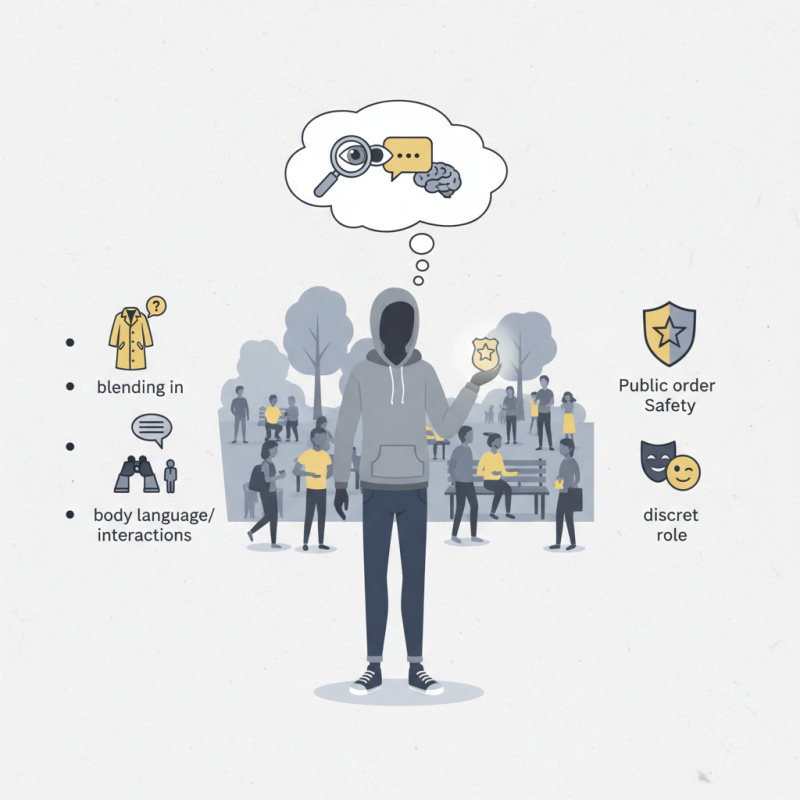
Plain Clothes officers blend into ordinary surroundings. Their attire may resemble casual wear, making identification tricky. You might see them in a coffee shop or at a park, blending seamlessly with the crowd. They focus on maintaining public order, while remaining discreet.
Awareness is crucial in spotting these officers. Pay attention to body language and interactions. Often, they engage in conversations that might seem ordinary, but their purpose is serious. This requires a keen eye and a willingness to look beyond appearances. Recognizing them isn't always easy, and it can lead to reflection on our assumptions about authority and safety.
Understanding the Role of Plain Clothes Officers in Law Enforcement
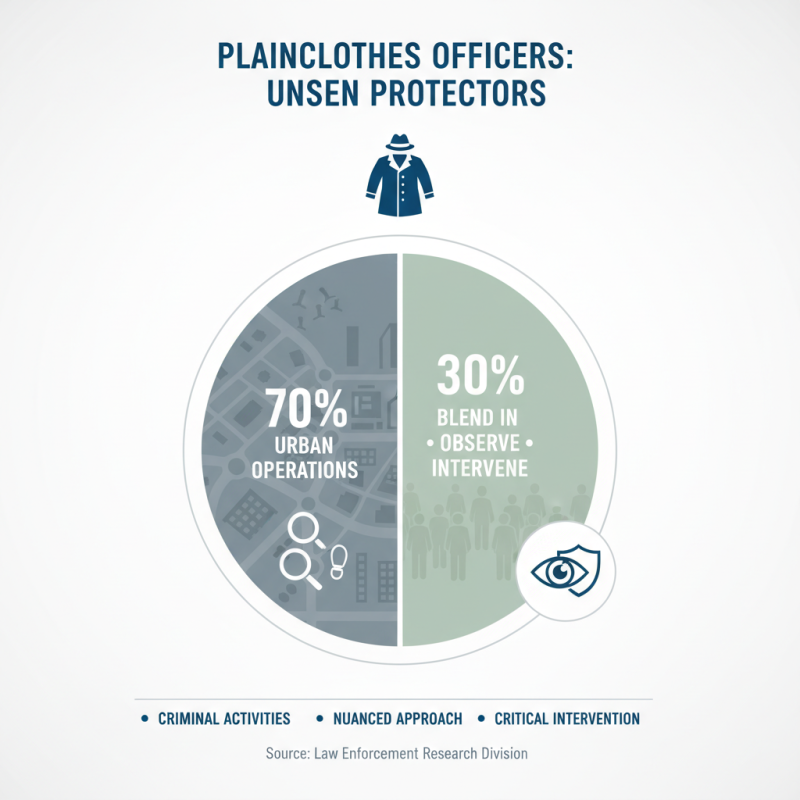
Plain clothes officers play a vital role in law enforcement. They blend into everyday environments, enabling them to observe without drawing attention. Research shows that approximately 70% of their operations occur in urban areas. This allows for a more nuanced approach to criminal activities. Their presence is often unnoticed, yet they can make significant interventions when necessary.
These officers are highly trained in recognizing suspicious behavior. The FBI reports that plain clothes operations result in a 30% increase in apprehending suspects. Their effectiveness relies on community awareness. Citizens may spot an officer behaving unusually, even if they are not in uniform. Training programs emphasize the importance of adaptability and discretion.
However, there can be challenges. Misidentification can occur, leading to community mistrust. Another concern arises when plain clothes officers aren't recognizable as law enforcement. It’s crucial for them to find ways to identify themselves in critical situations. Balancing their roles without creating fear or suspicion in the public is an ongoing challenge. This highlights the need for continuous training and open communication between officers and communities.
Common Characteristics of Plain Clothes Officers You Might Observe
When navigating everyday situations, recognizing plain clothes officers can be challenging. These individuals typically blend in with the crowd. They may wear casual clothing, like jeans and a t-shirt, but their demeanor often gives them away. Look for someone who appears observant—constantly scanning the environment and watching others closely.
Body language plays a critical role too. Plain clothes officers might stand with their arms crossed, exuding a sense of alertness. They may often adjust their clothing or check their accessories, like a watch or phone. While their style may differ, there’s often a hint of professionalism in their posture. Additionally, plain clothes officers are sometimes accompanied by others who seem to maintain a close distance, suggesting teamwork.
At times, you might notice a slight urgency in their actions. They might move quickly through a crowd or seem overly focused on a particular individual. However, not every observant person is a plain clothes officer; it’s crucial to remain cautious in your assumptions. Noticing these traits could be valuable, but sometimes, it’s easy to misinterpret ordinary citizens as officers due to their behaviors. Always reflect on your observations before jumping to conclusions.
Situational Contexts Where Plain Clothes Officers are Likely Present
When navigating crowded places, be aware of your surroundings. Plain clothes officers often blend in seamlessly. They might wear casual clothing, like jeans and a t-shirt. Look for subtle signs, such as earpieces or bulges that suggest concealed equipment. These officers work in settings like shopping malls or public events.
Public transportation can also be a hotspot. Watch for individuals who seem overly observant. Sometimes they engage in casual conversations while closely monitoring passengers. In parks or busy streets, they might appear engrossed in their phones. Yet, their eyes scan the crowd continuously.
In busy areas, body language can be revealing. Observe people who stand apart yet remain alert. Their demeanor might seem off, as if they're constantly assessing the situation. These moments can be unsettling. It’s a reminder that safety measures often go unnoticed, and the presence of plain clothes officers is a nuanced aspect of public security.
Key Behavioral Signs to Identify Plain Clothes Officers in Public
Identifying plain clothes officers can be challenging. However, certain behaviors may give them away. They often maintain a vigilant demeanor. You’ll notice them scanning the crowd, watching interactions closely. These officers move in a purposeful manner. They might avoid distracting conversations or get too engrossed in their phones.
Look for subtle cues in their clothing. While their outfits seem casual, they often lack accessories that could attract attention. A simple watch or shoes can be telling. Their clothing fits well but is not over-stylized. While they blend in, there's something slightly off about their presence.
Sometimes, they form small groups without appearing to be friends. Their eye contact may linger longer than usual. If you catch them observing others closely, it raises suspicion. Additionally, they might communicate with subtle gestures, often looking at one another silently. It's easy to overlook these signs, but being aware can enhance your perception in everyday situations. Remember, these signals are not foolproof, but they provoke thoughtful observations.
How to Recognize Plain Clothes Officers in Everyday Situations? - Key Behavioral Signs to Identify Plain Clothes Officers in Public
| Behavioral Signs |
Description |
Contextual Situations |
| Frequent Eye Contact |
They often make direct eye contact with people around them, suggesting awareness of their surroundings. |
Crowded public events, transportation hubs. |
| Inconspicuous Clothing |
Their attire is casual and blends in with the environment, avoiding anything too formal or distinctive. |
Shopping areas, local cafes. |
| Focused Body Language |
They exhibit a posture that suggests readiness or alertness, often leaning slightly forward. |
Busy city streets, sports events. |
| Group Positioning |
They tend to position themselves strategically within groups or crowds to maintain visibility. |
Concerts, demonstrations. |
| Use of Communication Devices |
They may frequently check or speak into communication devices, seemingly coordinating with others. |
Various public spaces, events with larger crowds. |
| Minimal Interaction |
They avoid engaging in conversations with the general public to maintain a low profile. |
Public transport, waiting areas. |
Tips for Safely Interacting with Plain Clothes Officers if Encountered
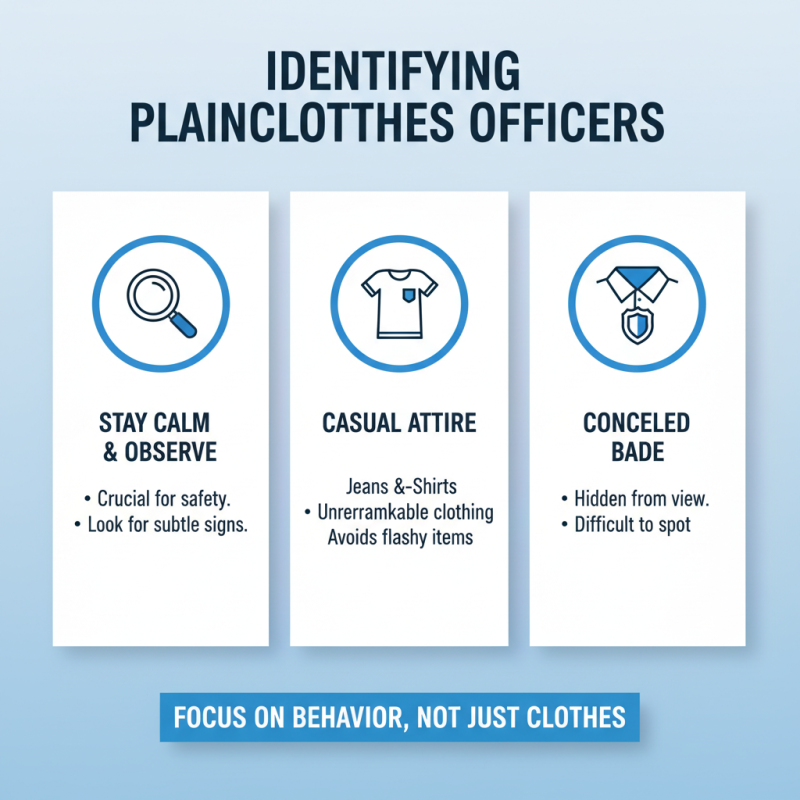
When you encounter plain clothes officers, staying calm is crucial. Look for subtle signs. They often wear casual, unremarkable clothing. Common attire includes jeans and t-shirts. They avoid flashy items. A badge may be hidden under clothing. It can be difficult to spot.
Interacting with these officers can be nerve-wracking. Reports indicate that about 40% of people feel anxious during such encounters. It’s essential to maintain composure. Speak politely. Avoid aggressive language. Keep your hands visible. This helps establish trust. Remember, they have a job to do, just like everyone else.
If approached by plain clothes officers, ask for identification. Most will show their badge without hesitation. If you still feel uncertain, request to meet uniformed officers. Your safety is a priority. Being aware of body language can also help. Note their stance and tone. This can give hints about their intentions. Engaging with them thoughtfully can prevent misunderstandings.

 +86 15968093247
 CONTACT NUMBER
 CONTACT e-mail