inquiry
Leave Your Message

What Is Lace Fabric and What Is It Used For?

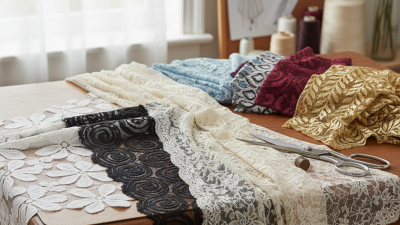
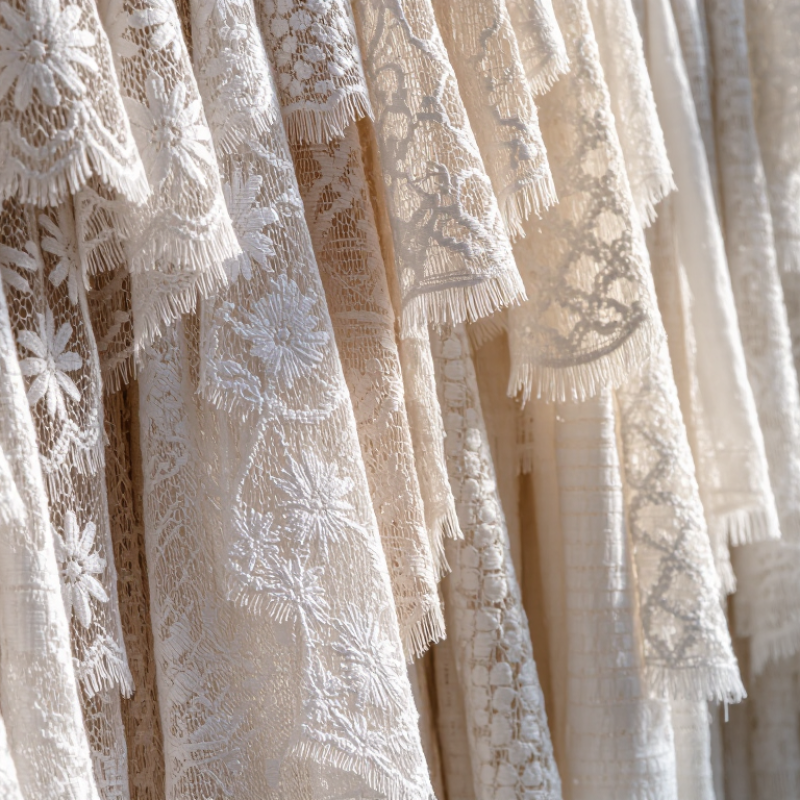
Lace Fabric can look weightless, yet its structure is carefully made. Openwork threads form repeating motifs, from tiny floral nets to bold geometric shapes. Hold a lace sleeve against the light, and its pattern becomes part of the garment’s design. Some lace is knitted; other types are woven, embroidered, or made by hand. The method changes its drape, texture, strength, and care needs.

Material choices matter. Textile Exchange’s 2024 Materials Market Report estimates that global fiber production reached 124 million tonnes in 2023, with polyester accounting for about 57 percent. This is useful context for understanding the fibers that may appear in modern lace. It is not a lace-market report, however, and should not be treated as one. That distinction matters. Lace Fabric is used in bridal gowns, eveningwear, lingerie, curtains, trims, and craft projects. A polyester lace may hold a crisp motif, while cotton lace often feels softer and more matte.

Textile designer William Morris offered a useful design principle: “Have nothing in your houses that you do not know to be useful, or believe to be beautiful.” His words are not specifically about lace, but they suit a material that often balances function and ornament. Not merely decoration. Lace can soften a neckline, add privacy to a curtain, or create a fragile-looking edge that still needs careful handling. Its appearance can be misleading; delicate does not always mean weak. The sections ahead explain how Lace Fabric is made, how to identify common types, and how to choose it for a real project.
What Is Lace Fabric and What Is It Used For?

What Lace Fabric Is and How It Is Made

Lace is an openwork fabric, recognized by patterned gaps rather than a solid woven surface. Its motifs may be floral, geometric, or net-like. Lace can be made from cotton, silk, nylon, or polyester, and the fiber affects its softness, shine, and strength. Textile Exchange’s Materials Market Report 2024 estimates that global fiber production reached 124 million tonnes in 2023. That figure covers all fibers, not lace alone, but it shows the scale of materials available to textile makers.

Lace-making methods include bobbin work, needlework, and machine production. In bobbin lace, a maker crosses and twists threads around pins on a firm cushion, following a pattern. Machine-made lace is commonly knitted or woven into repeating designs, with yarn tension and stitch structure controlling the openings. Some lace-like fabrics are embroidered onto a net base, so their construction differs from lace formed directly from threads. The distinction can blur. That matters when judging drape, durability, or repair options.

Tips: Hold lace against light to inspect its net and motifs. Check seams gently; openwork can snag, and delicate edges may need careful handling. A small test wash is sensible, though it may not predict every fabric’s behavior.

Materials and Techniques Used to Create Lace

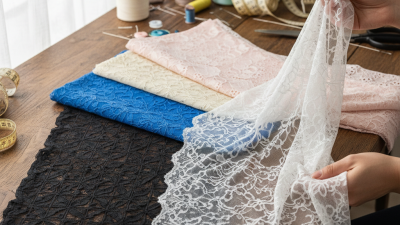
Lace is made by shaping threads into open patterns, and the material affects its feel, strength, and drape. Cotton lace often has a soft, slightly matte surface, while silk can feel smoother and lighter. Linen thread gives some lace a crisp texture. Synthetic fibers may offer more stretch or durability, though they can feel less breathable. The best choice depends on how the fabric will be worn or handled.

Several techniques create lace. In bobbin lace, a maker crosses and twists threads wound on small bobbins, pinning the pattern to a firm cushion. Needle lace is formed with a needle and thread, building decorative stitches over a temporary outline. Crochet lace uses a hook to make loops and motifs, while machine-made lace can reproduce intricate patterns at greater scale. Each method leaves different details: raised edges, tiny holes, or a more regular repeat. Look closely.

Finishing also matters. A maker may wash, press, or stiffen lace to help it hold its shape, but heavy treatment can change its softness. Handmade lace is not automatically stronger or finer than machine-made lace; construction and thread quality both count. That distinction is easy to overlook. Some pieces feel delicate yet wear well, while others snag on a rough sleeve or jewelry.

What Is Lace Fabric and What Is It Used For? — Materials and Techniques Used to Create Lace

Lace Type or Technique How It Is Made Common Materials Typical Characteristics Common Uses
Bobbin lace Threads wound on bobbins are crossed and twisted around pins set into a pattern on a cushion. Cotton, linen, silk, or synthetic thread Often has a clearly defined, open pattern; complexity depends on the design and number of threads. Garment trims, collars, cuffs, veils, and decorative panels
Needle lace Stitches are worked with a needle and thread, often over a temporary outline or foundation that is removed or cut away. Linen, cotton, or silk thread Can form detailed motifs and fine, sculptural outlines; commonly produced by hand. Heirloom textiles, bridal details, collars, and small decorative pieces
Machine-made lace Specialized knitting or embroidery machines interlace threads or stitch patterns into an openwork fabric. Polyester, nylon, cotton, or blends Can be produced consistently in large quantities and in a wide range of patterns and weights. Everyday clothing, lingerie, curtains, accessories, and trims
Crochet lace A hook and yarn or thread are used to create loops and openwork stitches. Cotton, linen, wool, or synthetic yarn Often has a visibly looped texture; motifs may be joined to make larger pieces. Doilies, table linens, shawls, clothing, and decorative edging
Knitted lace Yarn is knitted with planned increases and decreases that create holes and decorative patterns. Wool, cotton, silk, or synthetic yarn Usually flexible and soft, with open patterns that can stretch depending on the yarn and construction. Shawls, scarves, lightweight garments, and accessories
Embroidered lace Decorative stitching is applied to a net or sheer ground fabric; some designs have areas of the ground cut away. Cotton, polyester, or other embroidery thread on net or sheer fabric Combines a visible mesh background with stitched motifs; may be lightweight or heavily embellished. Blouses, dresses, bridalwear, veils, and home décor
Corded lace A heavier thread or cord is stitched along the edges of lace motifs to emphasize their outlines. Polyester, cotton, or rayon thread on a net ground Raised outlines add definition and texture to the pattern. Formalwear, bridal garments, sleeves, and decorative panels
Common lace fibers The fiber is selected separately from the lace-making method; lace can be made from natural or manufactured fibers. Cotton, linen, silk, polyester, and nylon Fiber affects softness, sheen, strength, care needs, and drape. Fabric properties vary with construction and finishing. Fiber choice depends on the intended garment, durability, appearance, and care requirements
General definition Lace is an openwork textile with patterned spaces, made by looping, twisting, braiding, knotting, or stitching threads. Varies by technique and intended use May be handmade or machine-made, delicate or durable, and may be used alone or attached to another fabric. Apparel, accessories, furnishings, decorative trims, and textile crafts

Common Types of Lace Fabric

Lace differs by how its motifs are formed and joined. Chantilly lace is fine and airy, often showing floral patterns against a mesh ground. It suits veils, sleeves, and overlays, but its open structure can snag on jewelry. Alençon lace has raised, corded outlines around its motifs. Those cords define the flowers and add texture to formal collars or garments. It feels more structured.

Guipure lace connects bold motifs with bars instead of a continuous net. Its weight suits statement panels, though it may feel stiff in warm weather. Embroidered lace adds stitching to a sheer base, creating patterns from subtle to dense. Raschel lace is machine-made and often used for stretch garments and decorative trims. Names can overlap in shops; construction and fiber content matter more than a label alone. Not always.

Tips: Hold lace toward a window to check its mesh, motif spacing, and uneven spots. If the garment needs movement, gently test a small edge for stretch. Pair delicate lace with a smooth lining, but remember that lining changes its drape and color. Try a sample first, and check care instructions before washing.

Distinctive Features of Lace

Lace is recognized by its open spaces and connected patterns. The design may show flowers, leaves, geometric shapes, or fine curved lines. These motifs sit within a net-like ground or connect through small thread bars. That contrast matters. Light passes through the openings, while denser stitches give the pattern definition. Against skin or a solid lining, the details become easier to see.

Lace can be made by hand or machine, using fibers such as cotton, silk, linen, or synthetic yarns. Its surface may feel soft and pliable, or crisp and slightly raised. Some varieties have scalloped edges; others have straight borders that can be trimmed more easily. Construction affects appearance and performance. A loosely made lace may snag on jewelry, while a tightly stitched design often holds its shape better. Not always. Fiber, thread tension, and finishing also matter, so appearance alone cannot tell you how durable a piece will be. The names used for lace styles can overlap, which makes comparisons confusing. Look closely at the mesh, motif, edge, and feel rather than relying only on a style label.

Uses of Lace in Clothing, Accessories, and Home Décor

Lace adds texture without the weight of a solid fabric. In clothing, designers use it for sleeves, collars, overlays, and hems, where small openings catch light and soften a silhouette. On a wedding dress, a lined lace bodice offers coverage while keeping the pattern visible. For everyday garments, lace panels work best where seams receive less strain; delicate motifs can snag against zippers or rough bags. A practical detail: check fiber content and care instructions before washing. Textile Exchange’s 2024 Materials Market Report estimates that global fiber production reached 124 million tonnes in 2023. That scale makes fiber choice worth considering, even for a small trim.

Lace also appears in accessories, including scarves, veils, hair pieces, and evening bags. A sturdy lining can protect a lace bag’s openwork, though it changes the drape. In home décor, lace curtains filter daylight into patterned shadows, while table runners and cushion panels add a finer, tactile accent. Cotton lace often feels matte and soft; synthetic blends may hold their shape more reliably, but can feel less breathable. Not every room needs it. Dust settles in intricate openings, and ornate lace can look busy beside patterned furnishings. For curtains, inspect the fabric against a window before buying—the same motif may appear much denser in bright light.

What Is Lace Fabric and What Is It Used For?

Lace is an openwork fabric made by looping, twisting, or knitting threads into decorative patterns. These example project specifications show how a narrow lace trim might suit clothing or accessories, while a wider trim can work for curtains or other home décor. They are practical examples, not industry-wide standards; suitable widths vary by design.