What is Flannel Clothing? Benefits, Styles, and Care Tips You Need to Know
Flannel clothing has secured its place as a timeless and versatile staple in modern wardrobes, appealing to both fashion enthusiasts and those seeking comfort in their daily attire. According to a recent report from the National Textile Association, flannel fabric accounts for approximately 15% of the global casual clothing market, underscoring its popularity. The soft texture and warmth provided by flannel make it an ideal option in colder climates, offering not just style but a sense of coziness that is hard to replicate with other materials.
Industry expert Dr. Sarah Thompson, a textile specialist at the Fashion Institute, emphasizes the enduring appeal of flannel by stating, “Flannel clothing is not just a trend; it embodies comfort and practicality, which are essential for modern living.” With various styles available—from classic button-ups to cozy loungewear—flannel adapts seamlessly to both casual and semi-formal settings. As consumers increasingly prioritize comfort alongside aesthetics, the demand for flannel clothing continues to grow, encouraging manufacturers to innovate with new designs while maintaining the fabric's traditional charm.
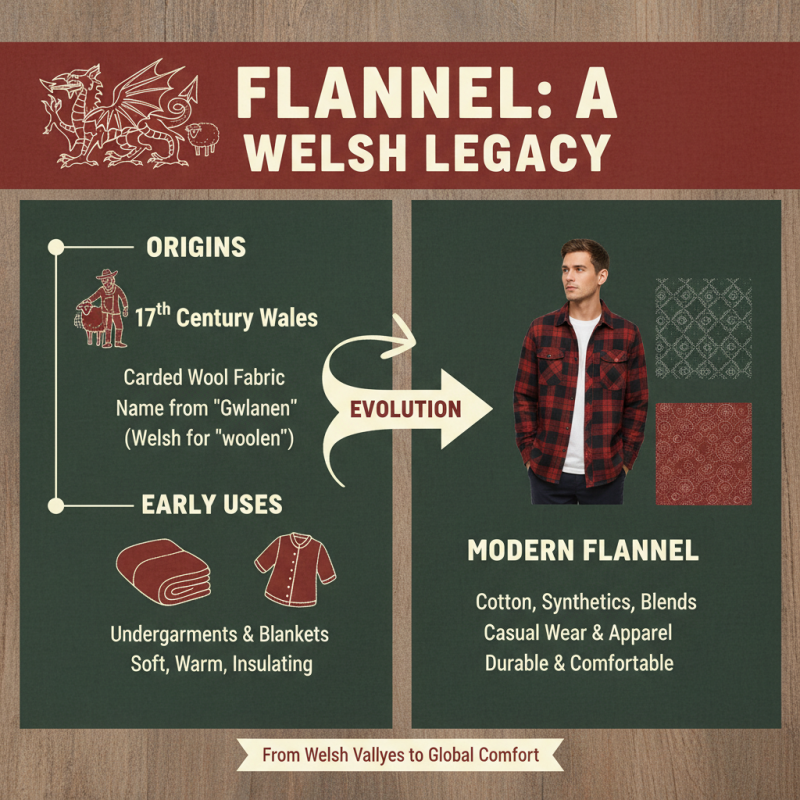
Understanding Flannel Clothing: Origin and Definition
Flannel clothing has its roots in the textile traditions of Wales, where it originated as a soft, warm fabric made from carded wool. The term “flannel” itself is derived from the Welsh word "gwlanen," which means woolen. Initially, flannel was used primarily for undergarments and blankets, prized for its comforting qualities and thermal insulation. Over the years, it evolved, incorporating the use of cotton and synthetic fibers, making it accessible for casual wear and everyday apparel.
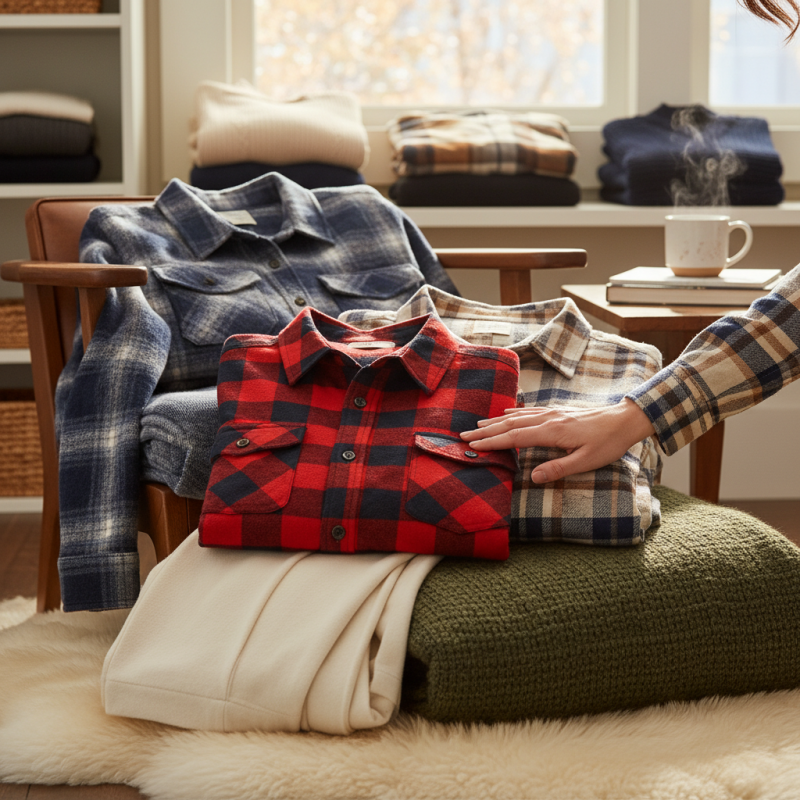
Today, flannel is recognized for its distinctive soft texture and versatile patterns, often featuring plaid or check designs. The fabric is commonly associated with cooler weather, providing warmth while remaining breathable. This characteristic makes flannel ideal for layering in a variety of styles, from shirts and pajamas to outerwear. Its blend of comfort and functionality has secured flannel clothing a permanent spot in the wardrobes of individuals across different regions and climates, reflecting a timeless popularity that transcends fashion trends.
Key Benefits of Wearing Flannel: Comfort, Warmth, and Versatility
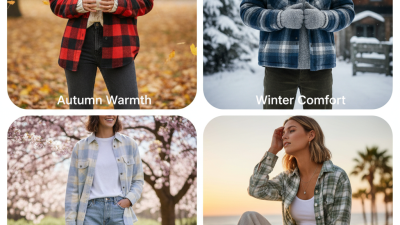
Flannel clothing has gained immense popularity for its key benefits, prominently highlighting comfort, warmth, and versatility. According to a report by the Fabric Institute, flannel is composed of soft, brushed fibers that create an insulating layer, making it an ideal choice for colder climates. Many fashion enthusiasts appreciate its ability to regulate body temperature, allowing wearers to remain cozy without overheating. This unique thermal property has made flannel shirts and blankets staples in many wardrobes, especially during the fall and winter seasons.
In addition to its practicality, flannel's versatility is noteworthy. It can be easily styled for various occasions, whether for casual outings or even layering in more formal settings. The aesthetic appeal of printed flannel patterns, such as plaid, allows for a seamless transition from outdoor adventures to cozy evenings at home. Reports indicate that flannel sales have surged by 30% over the past three years, demonstrating its rising status as a wardrobe essential across different demographics.
When caring for flannel, it’s essential to follow a few simple tips to maintain its softness and durability. Always wash your flannel garments in cold water to prevent shrinking and fading. Tumble drying on low heat or air drying is recommended to preserve the fabric's integrity. Ironing on a low setting can help keep flannel looking fresh, but be sure to avoid high heat, which can damage the fibers. By following these care tips, you can ensure your flannel clothing remains comfortable and stylish for years to come.
What is Flannel Clothing? Benefits, Styles, and Care Tips You Need to Know
| Feature |
Details |
| Material |
Typically made from cotton, wool, or a blend |
| Benefits |
Comfort, warmth, and versatility |
| Styles |
Shirts, jackets, dresses, and pajamas |
| Care Tips |
Wash in cold water, tumble dry on low |
| Season |
Best worn in fall and winter |
| Pattern |
Commonly features plaid patterns |
Popular Styles of Flannel Clothing: Patterns and Cuts for Every Occasion
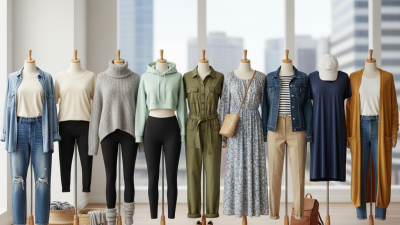
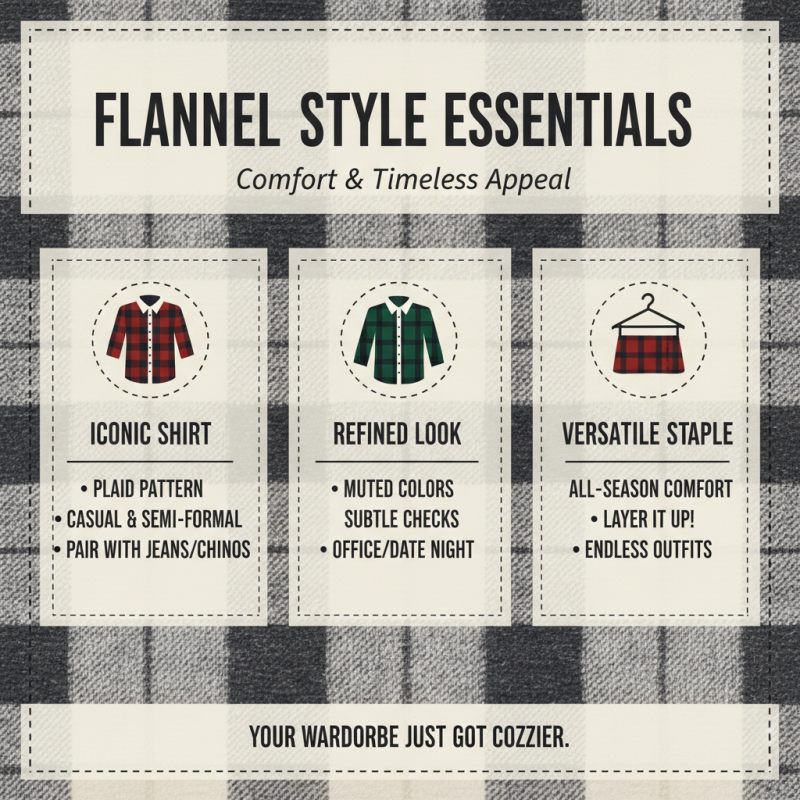
Flannel clothing has become a versatile staple in many wardrobes due to its comfort and timeless appeal. When it comes to popular styles, flannel shirts are undoubtedly the most recognizable. They come in various patterns, with plaid being the most iconic. This classic pattern suits both casual and semi-formal occasions, easily pairing with jeans or chinos. For those seeking a more refined look, flannel button-downs in muted colors or subtle checks can create a sophisticated ensemble suitable for the office or a dinner date.
In addition to shirts, flannel is available in a variety of other cuts and styles. Flannel dresses offer an effortlessly chic option for women, often featuring A-line silhouettes that flatter many body types. Additionally, flannel jackets and coats are perfect for layering in cooler weather, providing warmth without sacrificing style. These pieces can be dressed up with accessories or keep it casual with simple footwear, making flannel a go-to fabric that caters to every occasion. Whether you're lounging at home or heading out for a night on the town, there is a flannel style that fits the moment perfectly.
Care Tips for Flannel Garments: Washing, Drying, and Storage Advice
When caring for flannel garments, proper washing techniques are essential to maintain their softness and longevity. It’s best to wash flannel in cold water on a gentle cycle to avoid shrinkage and keep the fibers intact. Use a mild detergent that is free from harsh chemicals, as these can degrade the fabric over time. To prevent pilling, turn the garments inside out before washing, and avoid mixing them with items that have rougher textures, which could cause abrasion during the cycle.
Drying flannel requires careful attention to heat levels. Ideally, air drying the garments is the best approach to preserve their shape and texture. If using a dryer, select a low heat setting and remove the items while they are still slightly damp to prevent excessive shrinkage. Storing flannel correctly is just as crucial; always fold flannel clothing rather than hanging it to avoid stretching. Keep it in a cool, dry place, and consider using breathable storage bags to protect against moisture and pests, ensuring your flannel items remain fresh and in good condition for future use.
Choosing the Right Flannel: How to Select Quality Fabrics and Fits
When selecting the right flannel, the first thing to consider is the type of fabric. Quality flannel is usually made from either cotton or a cotton-blend, providing both warmth and breathability. Look for tightly woven fibers that create a soft yet durable texture. A heavy-weight flannel is ideal for colder weather, whereas lighter options can be perfect for layering during transitional seasons. Pay attention to the finishing of the fabric; brushed flannel adds an extra layer of softness, enhancing comfort against the skin.
Fit is another critical factor when choosing flannel clothing. Depending on your style, you might opt for a relaxed fit for a more casual look, or a tailored fit for a sharper appearance. Consider how you plan to wear the flannel: if it’s intended to be worn untucked over a t-shirt, a looser fit may be preferable. Additionally, examine the length of the shirt, the sleeve style, and the collar type to ensure it meets your needs. Whether you prefer a classic plaid pattern or a more subtle design, the right fit and fabric can make all the difference in comfort and style.
Flannel Clothing Popularity and Styles in 2023

 +86 15968093247
 CONTACT NUMBER
 CONTACT e-mail