10 Essential Tips for Choosing the Right Plain Fabric for Your Projects?
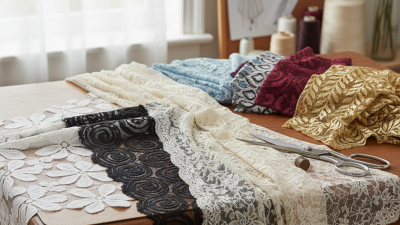
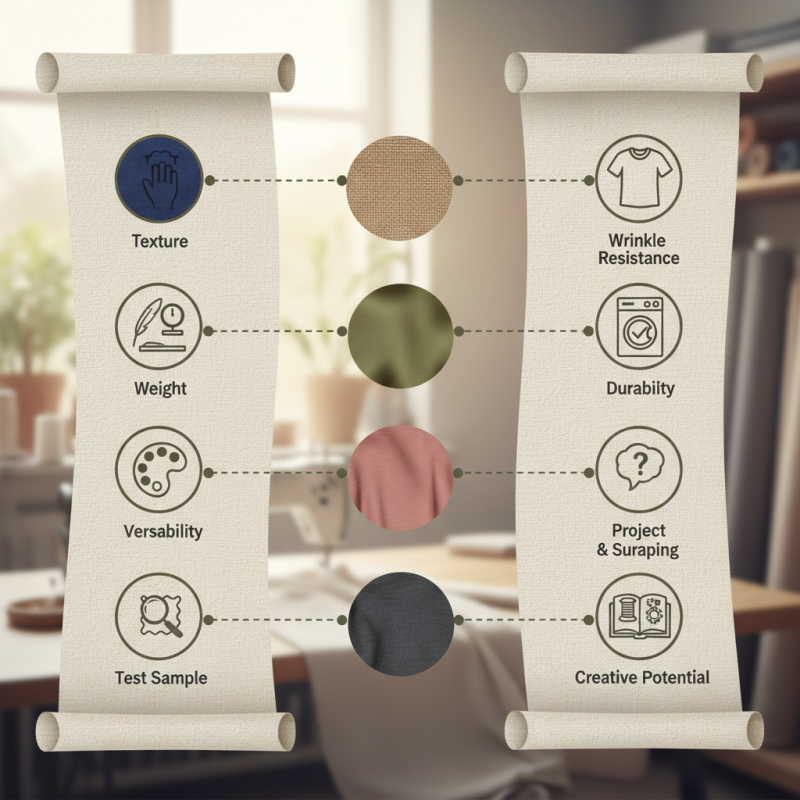
Choosing the right plain fabric can be a daunting task. The fabric selection influences the overall outcome of your projects. Many factors play a role in this decision-making process. Consider the texture, weight, and color of the fabric. These elements can dramatically change the look and feel of your final piece.
Plain fabric offers versatility across various projects. Whether you're sewing clothes, crafting decor, or creating quilts, the right choice matters. However, mistakes are common. Some fabrics may not hold dyes well, while others might fray easily. It's essential to test a sample before purchasing a large amount.
Think about how the fabric reacts to different conditions. Does it wrinkle easily? Will it hold up after multiple washes? Reflecting on these questions will guide your selection. Ultimately, the journey to find the perfect plain fabric should be thoughtful and engaging. Each choice opens a new possibility for creativity.
Understanding the Different Types of Plain Fabrics Available
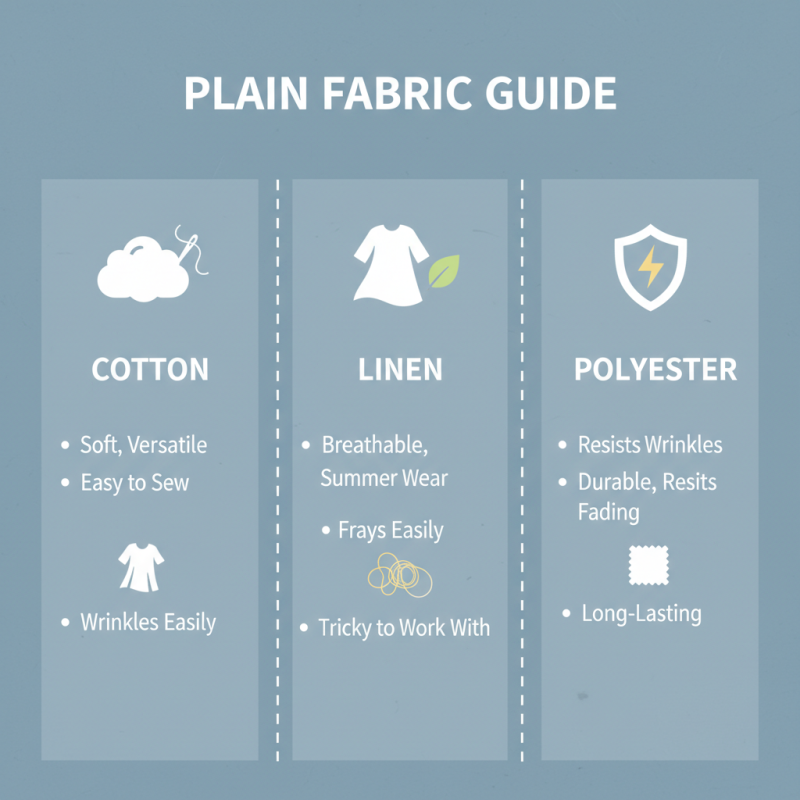
When selecting plain fabric for your projects, understanding the different types available is key. Cotton is popular for its softness and versatility. It is easy to sew, but it wrinkles easily. Linen offers a breathable option, ideal for summer wear, but can be tricky to work with due to its tendency to fray. Polyester resists wrinkles and fading, making it a good choice for items that require durability.
Another tip: consider the weight of the fabric. Lightweight options work well for blouses or curtains, while heavier fabrics are better for upholstery and structured garments. If you're opting for a specific look, test swatches together. This helps visualize fabric combinations but can expose mismatches.
Finally, think about the fabric's drape. Some fabrics flow beautifully, while others hold structure well. This can affect the overall look of your project. Making the right choice demands a bit of trial and error. Don’t hesitate to experiment; sometimes, unexpected fabric choices lead to the best results.
Evaluating Fabric Weight and Its Impact on Project Suitability
When selecting plain fabric for projects, fabric weight plays a crucial role in its suitability. Lightweight fabrics, typically under 4 ounces per square yard, are great for delicate tasks like summer garments or linings. A study by the Fabric Analysis Institute reveals that lighter fabrics drape better and give a flowing feel, ideal for dresses and blouses.
In contrast, medium-weight fabrics range from 4 to 6 ounces per square yard. These are versatile, suitable for everything from casual wear to curtains. A survey conducted among textile professionals indicates that many prefer medium-weight fabrics for their balance of structure and comfort. However, choosing them can lead to challenges like inadequate breathability in hot weather.
Heavier fabrics, over 6 ounces, offer durability but can be cumbersome. They are perfect for upholstery or outerwear, requiring careful handling. Yet, many projects may suffer if lighter-weight fabrics are needed but heavier options are used. This mismatch can lead to unsatisfactory results, demonstrating the importance of evaluating fabric weight effectively. Choosing the right weight ensures your project not only looks good but also functions well.
Fabric Weight Comparison for Different Projects
Considering Fabric Fiber Content for Specific Uses and Durability
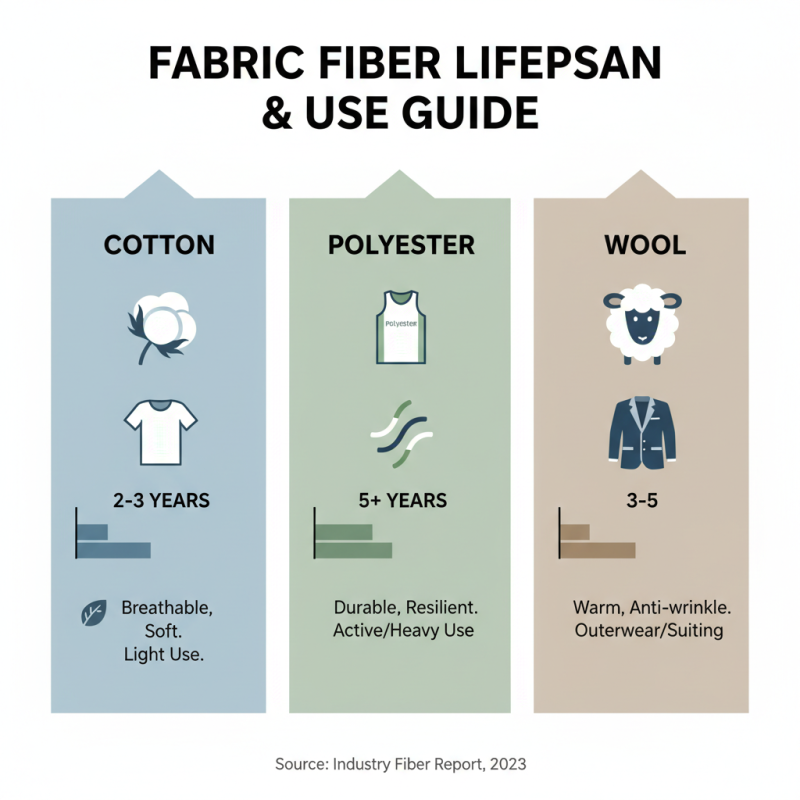
Choosing the right fabric is crucial for any project. The fiber content of the fabric determines its durability and use in various applications. Cotton, for example, is breathable and soft but may not withstand heavy wear. In fact, a recent industry report shows that cotton-based fabrics have a lifespan of only two to three years under regular use.
On the other hand, polyester is known for its strength and resistance to fading. It typically lasts longer than natural fibers. A study indicates that polyester blends can increase the durability of garments by as much as 40%. However, the trade-off is often poorer breathability compared to cotton. This could lead to discomfort in warmer climates.
Understanding these characteristics helps you make informed choices. It's also important to consider the fabric’s purpose. If the project demands heavy use, opt for robust materials like nylon or durable poly blends. Remember, not all fabrics are created equal. An informed choice can make all the difference in the longevity and practicality of your creations. Reflecting on these aspects can prevent future disappointment with worn-out projects.
Identifying the Right Color and Pattern for Your Project's Theme
Choosing the right color and pattern for your fabric can significantly impact your project. Think about the overall theme you want to convey. Are you going for a calm and serene look? Soft pastels or muted tones might be better choices. On the other hand, vibrant colors can bring energy and excitement to your work.
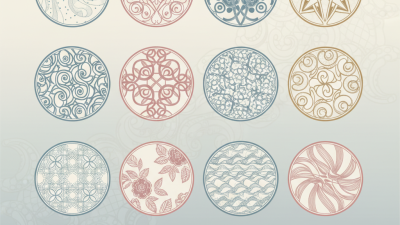
Patterns also play a key role. A floral design may enhance a romantic vibe, while geometric shapes can add a modern touch. However, it’s essential to consider the scale of patterns. A large print can overwhelm a small project. Experimenting with swatches can help visualize how these elements come together. Be mindful of your choices; they should align with your vision.
Reflecting on your earlier projects may provide insight. Did certain colors or patterns work better than others? Perhaps you realized that some combinations didn’t resonate well. Use this experience to guide your current selection. Don’t shy away from mixing patterns, but ensure they complement each other. Trust your instincts as you navigate these creative decisions.
Assessing Fabric Care Requirements for Long-Term Maintenance
When choosing plain fabric, it's important to consider its care requirements. Different fabrics need various treatments for durability. For example, cotton is generally low maintenance. However, it may shrink or fade over time if not washed properly. According to industry reports, approximately 30% of consumers misuse washing settings, damaging their garments in the process.
Tip: Always check the care label. This small piece of information can save your fabric from early deterioration. For silk or wool, gentle cycles in cold water are essential. Neglecting this can result in irreversible damage, and you could end up with a fabric that looks worn out quickly.
Creating textiles for specific projects requires careful attention to long-term care. Fabrics like linen may wrinkle easily, but they're also quite forgiving with many wash cycles. The Fabric Care Institute found that about 45% of fabrics can withstand regular washing if maintained correctly. Always think about your lifestyle when picking a fabric. A beautiful fabric may not be practical if it requires too much care.
Tip: Consider your cleaning habits. If you prefer low-maintenance options, opt for synthetic fibers. They often require less care, yet can feel less natural. Balance aesthetics with practicality for the best outcome.

 +86 15968093247
 CONTACT NUMBER
 CONTACT e-mail