10 Essential Tips for Choosing the Perfect Cashmere Clothing
When it comes to Cashmere Clothing, the choices can feel overwhelming. Renowned fashion expert Jane Doe once stated, "The right cashmere piece can transform your wardrobe." This highlights the importance of selecting the perfect item that aligns with your personal style.
Cashmere is not just about luxury; it's about investing in quality. The texture should be soft, yet resilient. Many people make the mistake of prioritizing price over quality. As a result, they may end up with items that pill easily or lose shape.
Finding the right balance between style and durability is crucial. Each piece should serve a purpose. Look for timeless designs that you can wear season after season. Remember, Cashmere Clothing requires care. A little effort in choosing wisely can lead to long-lasting pieces that elevate every outfit.
Understanding Cashmere: What Makes It a Luxury Fabric
Cashmere is often deemed a luxury fabric, renowned for its softness and warmth. This natural fiber comes from the undercoat of cashmere goats. These goats thrive in harsh climates, primarily in Mongolia and China. The fibers are fine, measuring only about 14-19 microns. This delicacy contributes to the fabric’s luxurious feel.
A report by the International Fibre Organisation highlights that cashmere production is relatively limited. Only around 20,000 tons of raw cashmere are produced globally each year. This scarcity drives up demand and price. When purchasing cashmere, one should be mindful of the quality. Not all cashmere is equal; the grading system can affect the softness and durability. Look for items labeled as "Grade A", which signifies the finest quality.
However, it is challenging to authenticate cashmere. Some products may be blended with other fibers, leading to a compromise in quality. Shoppers need to check for pilling and texture when assessing the fabric. Sustainable practices are also vital in the cashmere industry. Overgrazing by cashmere goats poses environmental concerns. Opting for brands that prioritize ethical sourcing is essential for conscious consumers.
Identifying Quality Cashmere: Key Characteristics to Look For
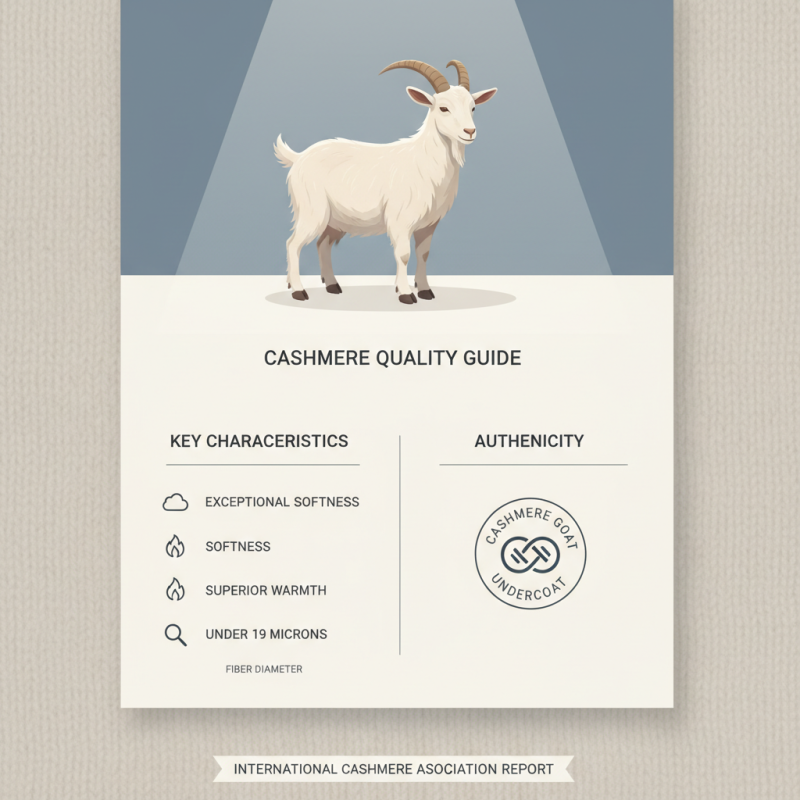
When searching for quality cashmere clothing, several key characteristics should guide your choice. Authentic cashmere derives from the undercoat of cashmere goats. This material is known for its exceptional softness and warmth, making it a coveted choice. According to a report by the International Cashmere Association, high-quality cashmere should have a fiber diameter of under 19 microns. Any thicker fibers may result in scratchiness, diminishing the luxurious feel.
Another crucial aspect to consider is the ply of the yarn. Double-ply cashmere garments tend to be thicker and more durable than single-ply options. This additional strength can mean a longer-lasting piece in your wardrobe. A study from the Textile Research Journal highlights that single-ply cashmere is more prone to pilling and wear over time. Additionally, when evaluating color, look for rich hues. Hand-dyed cashmere often retains depth better than machine-dyed alternatives.
Lastly, consider the country of origin. Ethical sourcing is vital in the cashmere industry. Reports indicate that only about 1% of all cashmere produced globally meets high-quality standards. So, while selecting a piece, being discerning can significantly impact your experience. Not all cashmere is created equal, and there is always room for learning.
Evaluating Cashmere Clothing: Composition and Manufacturing Details
When evaluating cashmere clothing, composition is key. Quality cashmere typically comes from the soft undercoats of cashmere goats during molting season. Reports indicate that high-quality cashmere contains a minimum of 90% cashmere fibers. Prices may vary significantly based on the composition. Ensure you check the label carefully.
Manufacturing details also matter. Cashmere should be gently processed to maintain its natural softness. Some manufacturers use harsh chemicals, which can degrade the fabric. Sustainable practices in cashmere production are increasingly important. According to recent studies, over 70% of consumers prefer eco-friendly options. Yet, the reality is not every brand delivers on this commitment.
Ultimately, not all cashmere is created equal. Inferior blends may contain synthetic fibers, affecting both texture and durability. It may feel luxurious at first touch but lacks longevity. The key is to look for transparent sourcing and care information. Understanding these essential factors can lead to a more satisfactory purchase. Make informed choices and invest wisely in your wardrobe.
Essential Care Tips for Maintaining Cashmere Clothing Longevity
Cashmere clothing is a luxurious addition to any wardrobe. However, proper care is critical for longevity. Hand washing is often recommended, but many hesitate. Using the wrong detergent can ruin the fabric.
Choose a gentle, pH-neutral soap. Cold or lukewarm water is best. Soaking too long is a mistake; just a few minutes will do.
Drying cashmere requires attention. Hanging it upside down can lead to stretching. Instead, lay it flat on a towel. Roll the towel to remove excess water. It is easy to overlook that direct sunlight can fade colors.
Store cashmere folded, not hung. Consider using breathable garment bags for protection. Avoid mothballs; they can ruin the scent of your clothes. Reflect on these habits regularly.
Are you giving your cashmere the care it deserves?
Choosing the Right Fit: How Cashmere Should Feel and Look on You
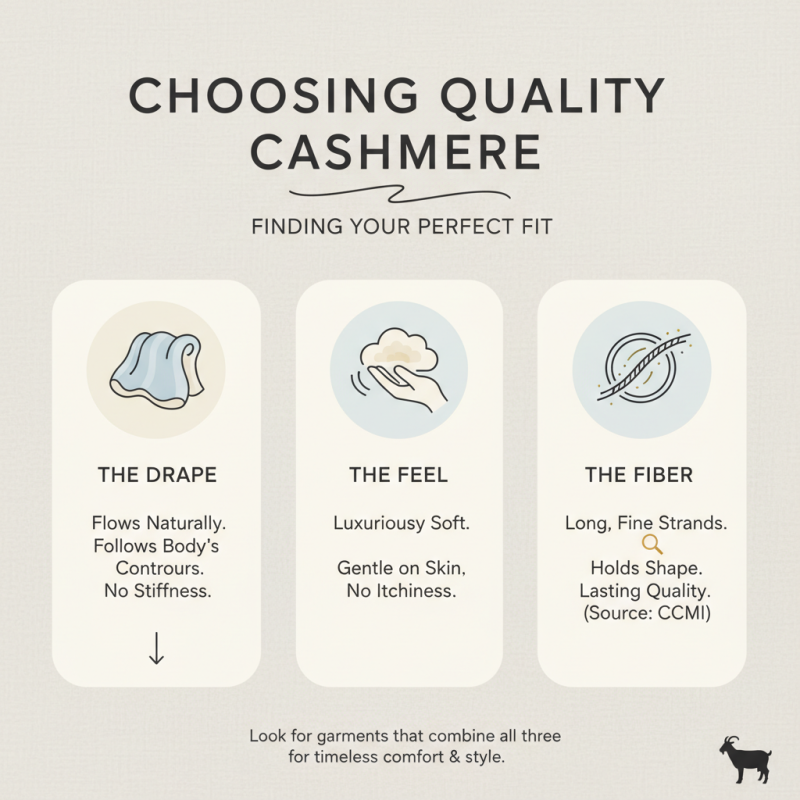
Choosing the right fit in cashmere clothing is crucial. Cashmere should drape beautifully while feeling soft against your skin. Think about how it hugs your body. According to the Cashmere and Camel Hair Manufacturers Institute, quality cashmere fibers should be long and fine. This provides a luxurious feel and helps the garment maintain its shape.
When trying on cashmere, consider the silhouette. It shouldn’t be too tight, but it must also not feel baggy. Look for pieces that allow for movement yet retain structure. For instance, a well-fitted cashmere sweater should sit comfortably on your shoulders without pulling. A report from the Fiber Institute notes that poorly fitting cashmere can lead to pilling and loss of shape over time.
Also, pay attention to the color and texture. Lighter shades might reveal underlying layers, while darker hues can mask imperfections. Sometimes, cashmere can feel scratchy if not chosen carefully. Not every piece will be perfect. Remember, sometimes selecting cashmere that feels right might take a few tries. Reflect on how it fits into your wardrobe and lifestyle.

 +86 15968093247
 CONTACT NUMBER
 CONTACT e-mail