10 Essential Tips for Choosing the Best Fleece Clothing
Choosing the right fleece clothing can be challenging. Many factors influence comfort, warmth, and style. Expert Lisa Johnson, a specialist in outdoor apparel, often says, "Fleece offers the perfect blend of warmth and breathability for all seasons."
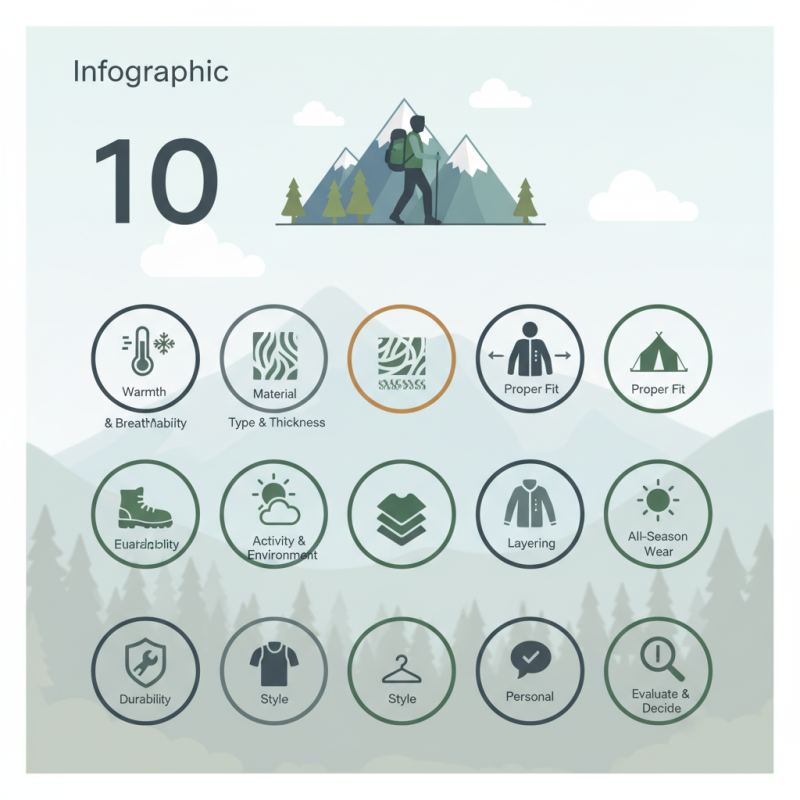
Understanding these essentials helps in making a better choice. Fleece material varies in thickness and texture. The right fit matters too. Poorly fitting fleece can lead to discomfort. It's important to consider your activities and environment.
Fleece clothing isn't just for winter. It can be worn in various climates. You might overlook some details that can enhance your experience. Remember to think about layering, durability, and style. These choices should reflect your personal needs. Taking time to evaluate these aspects will lead to better decisions.
Understanding Fleece Fabric Types and Their Benefits
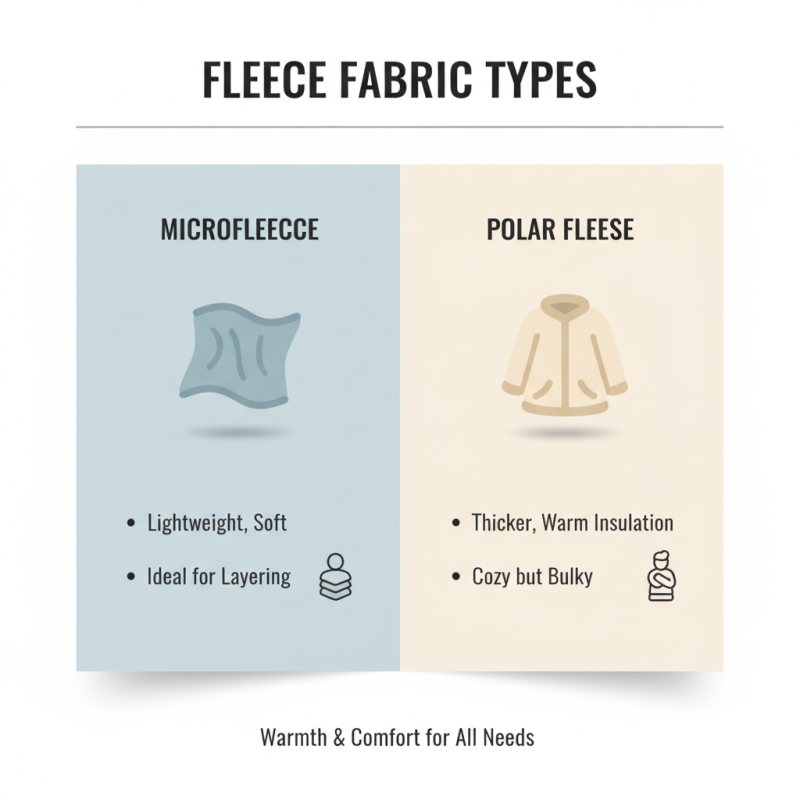
When exploring fleece fabric types, it's crucial to understand the different options available. Fleece is versatile, offering warmth and comfort. There are several types, including microfleece and polar fleece. Microfleece is lightweight and soft, perfect for layering. On the other hand, polar fleece is thicker, providing excellent insulation. It has a higher bulk, which can feel cozy but may restrict movement.
Different fleece materials also vary in breathability and moisture-wicking capabilities. Some types keep sweat away from the skin, while others may trap heat. Choosing the right fleece involves assessing how you'll use it. Are you hiking, running, or lounging? Each activity demands different fabric properties. Keep in mind that not all fleeces are created equal. Certain fabrics may pill over time, impacting their appearance and performance.
Consider the weight of the fleece. Lightweight options are great for active pursuits. Heavier fleeces are ideal for colder climates. However, heavier fabrics can feel restrictive. It's important to reflect on your individual needs. Test different types if possible. Understand how they feel against your skin and how they perform in various conditions. This knowledge is essential for choosing the best fleece clothing.
Evaluating Fleece Weight for Optimal Warmth and Comfort
Choosing fleece clothing involves critical considerations, especially regarding fleece weight. Heavy fleece can provide substantial warmth, perfect for frigid temperatures. However, it might feel bulky and restrict movement. Consider how it will be used. For active pursuits, a lighter fleece is often more suitable. It offers adequate insulation without weighing you down.
Weight also affects breathability. A medium-weight fleece balances warmth and comfort during cooler days. It is versatile enough for layering. Yet, not all mediums are equal. Some may feel scratchy or retain moisture. Always check the fabric feel. Look for softer textures that enhance comfort.
Pay attention to fleece density. Higher density often translates to better insulation. Still, it may not always equal comfort. Imagine a cozy hug versus being smothered. Reflect on your personal preferences and intended use. Test different options to find what feels right for you. A thoughtful choice leads to better outdoor experiences.
10 Essential Tips for Choosing the Best Fleece Clothing
| Fleece Weight |
Ideal Use |
Warmth Level |
Comfort Rating |
Breathability |
| 100-200 g/m² |
Layering |
Moderate |
High |
Good |
| 200-300 g/m² |
Cold Weather |
High |
Excellent |
Moderate |
| 300+ g/m² |
Extreme Cold |
Very High |
Good |
Low |
| Lightweight (<100 g/m²) |
Active Wear |
Low |
Very High |
Excellent |
Key Features to Look for in Fleece Clothing Design
When choosing fleece clothing, pay attention to key design features. Fabric type matters. Look for options made from high-quality synthetic fibers. These materials offer warmth without excessive weight. Breathability is crucial too. You don’t want to overheat during activity. A fleece that allows moisture to escape can enhance comfort significantly.
Consider the fit and style. A well-fitted fleece feels better and offers better mobility. Oversized options may seem cozy but can restrict movement. Look at the seams as well. Flatlock seams reduce bulk and irritation, especially when layering. Pockets also play a role; they should be easily accessible yet secure.
Lastly, reflect on sustainability. Some materials are more eco-friendly than others. Choosing fleece made from recycled materials is a positive step. There’s a lot to ponder when selecting fleece clothing. Finding the right balance between comfort, functionality, and environmental impact can be challenging. It’s important to weigh the details carefully.
Choosing the Right Fit for Layering and Mobility
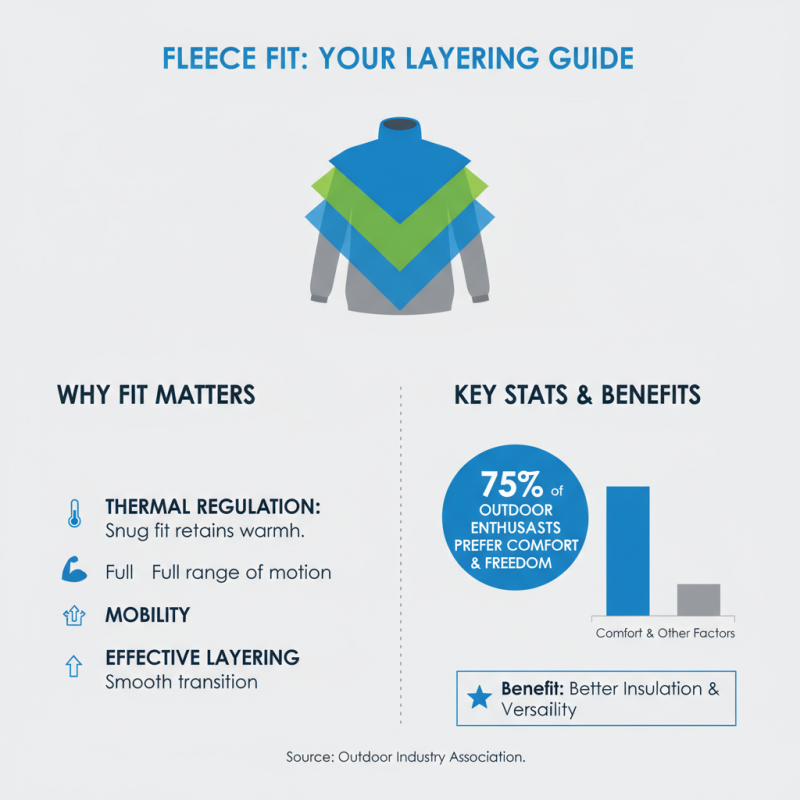
When selecting fleece clothing, fit is crucial for effective layering and mobility. A snug fit without being restrictive allows for better thermal regulation. According to the Outdoor Industry Association, 75% of outdoor enthusiasts prefer fabrics that offer comfort and freedom of movement. This emphasizes the importance of trying on multiple layers.
Look for fleece that has a stretchable quality. Fabrics like Polartec Power Stretch are known for this feature. It ensures flexibility, allowing outdoor activities like hiking and skiing without hindrance. A report from the American Apparel and Footwear Association shows that mobility in activewear directly correlates with user satisfaction.
Many people overlook the significance of body shape when choosing fleece. Generic sizing can lead to discomfort. Consider your body type and how the fleece interacts with your other layers. Take time to assess how the fleece fits when you are in motion, not just while standing still. Achieving the right fit involves trial and error. It can feel overwhelming when you have so many choices. Remember, a well-fitted piece can improve your outdoor experience significantly.
Caring for Fleece: Maintenance Tips for Longevity
Caring for fleece clothing is crucial for extending its lifespan. Fleece is soft and warm, but it requires special care. Regular washing is important to remove dirt and oils. Use a gentle cycle to protect the fabric. Avoid fabric softeners; they can damage fleece fibers. Instead, opt for mild detergent. Cold water washing is ideal as it prevents shrinking.
Drying fleece can be tricky. High heat can ruin its texture. Air drying is a safe option. If you must use a dryer, choose a low heat setting. Make sure to remove the fleece while it's still slightly damp. This helps maintain its softness.
Over time, fleece may pill. These small balls form on the fabric surface. They are annoying, but they can be removed. A fabric shaver works well for this. Regular maintenance will help your fleece look its best. Keeping it clean and well-maintained is a small effort for lasting comfort. It’s essential to be attentive to these details, even if it feels tedious at times.

 +86 15968093247
 CONTACT NUMBER
 CONTACT e-mail