10 Best Winter Coats for Ultimate Warmth and Style in 2026?
As winter approaches in 2026, finding the perfect Winter Coats becomes essential. The right coat balances warmth and style. In a world where fashion trends change rapidly, it’s crucial to choose coats that reflect personal taste while offering comfort against the chill.
This year's selection features diverse designs, colors, and materials. Some focus on insulation, while others highlight sleek silhouettes. Not every coat meets every need, which can be frustrating. It's vital to consider what truly matters—functionality or fashion?
Experiencing the cold can remind us how important quality is. The best Winter Coats will protect you and elevate your winter wardrobe. Selecting the ideal coat may take time and reflection, but the right choice pays off with style and warmth throughout the season.
10 Essential Features to Look for in Winter Coats for 2026
When choosing a winter coat for 2026, warmth is paramount. Insulation materials play a key role. Look for down or synthetic fills that trap heat effectively. Breathability is equally important to prevent overheating during active moments. A coat that allows moisture to escape will keep you comfortable throughout the day.
Another essential feature is waterproofing. Weather can be unpredictable. A coat that repels water will protect you from rain and snow. Also, consider the length of the coat. Longer options provide extra coverage and warmth. Don’t forget about pockets; they should be deep and secure for your essentials. Hoods can add warmth and protection against wind.
Lastly, style shouldn’t be overlooked. A coat that fits your personal style encourages you to wear it confidently. Pay attention to color and design details that resonate with you. Remember, it’s not just about looking good but also feeling good. Aim for a balance of fashion and function. Each feature contributes to your winter experience. Reflect on your needs and make a choice that fits your lifestyle this winter.
Insulation Technologies: Which Materials Provide the Best Warmth?
As winter approaches, choosing the right coat becomes essential. Insulation is key. Different materials offer unique benefits. Down insulation is popular for its warmth-to-weight ratio. It traps heat effectively. However, it may not perform well when wet. Synthetic alternatives like polyester fill can resist moisture better. They still provide decent warmth, but might lack the compressibility of down.
Wool is another option. It’s naturally temperature-regulating and can keep you warm even when damp. Yet, it may not be as lightweight or packable. Consider how each material impacts your daily life. A heavy coat might restrict movement, while a lightweight one could leave you cold.
Personal preferences matter. Some may prefer the softness of down, others might want the reliability of synthetics. Reflecting on your winter activities is important. Will you be walking in snow or waiting for the bus? The right coat can improve comfort and style. Balancing warmth and practicality is crucial for those chilly days ahead.
10 Best Winter Coats for Ultimate Warmth and Style in 2026
| Coat Type |
Insulation Material |
Warmth Rating |
Style Features |
Price Range ($) |
| Puffer Coat |
Down Insulation |
High |
Hooded, Water-resistant |
150 - 300 |
| Wool Overcoat |
Wool Blend |
Medium |
Tailored Fit, Stylish Collar |
200 - 500 |
| Trench Coat |
Cotton Blend with Insulation |
Medium |
Belted, Waterproof |
100 - 300 |
| Ski Jacket |
Synthetic Insulation |
Medium to High |
Breathable, Pockets |
120 - 400 |
| Parkas |
Down or Synthetic |
High |
Fur-lined Hood, Extra Length |
150 - 600 |
| Bomber Jacket |
Fleece Insulation |
Medium |
Classic Style, Elastic Cuffs |
80 - 250 |
| Peacoat |
Wool Blend |
Medium |
Double-breasted, Stylish Cut |
150 - 400 |
| Duffle Coat |
Wool Blend |
Medium |
Toggle Fastenings, Hood |
120 - 350 |
| Long Down Coat |
100% Down |
Very High |
Extra Length, Pockets |
250 - 700 |
| Casual Winter Jacket |
Synthetic Insulation |
Medium |
Casual Style, Multiple Colors |
70 - 200 |
Top 5 Fashion Trends in Winter Coats for Style-Conscious Shoppers
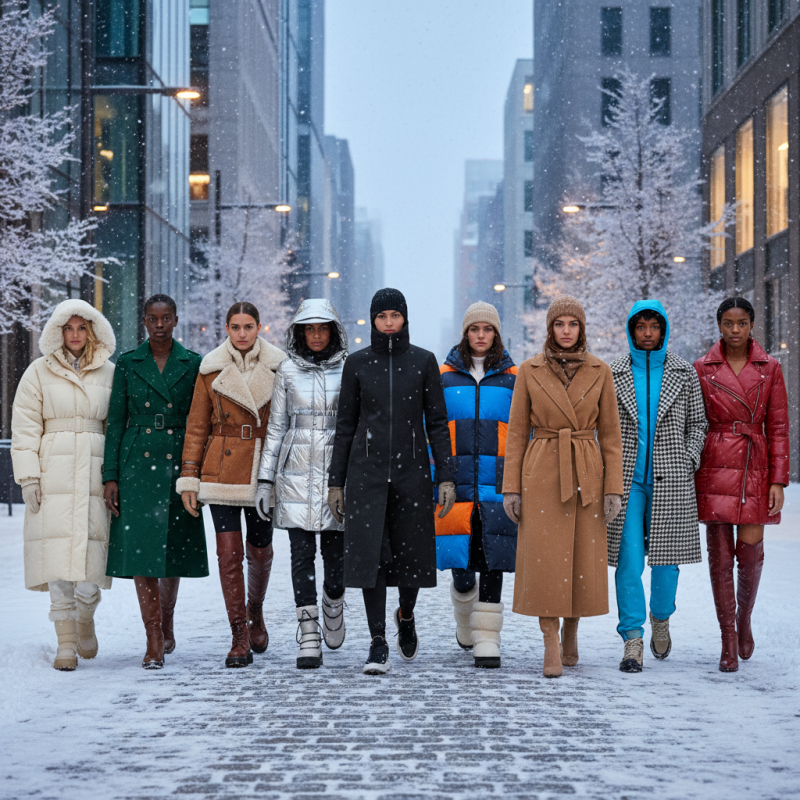
Winter coats are more than just functional; they serve as a fashion statement. This season, several trends are emerging that cater to style-conscious shoppers. One trend is oversized silhouettes. These coats provide comfort and a chic look. They can be easily layered over thicker sweaters.
Another rising trend is bold colors. Dark hues may dominate, but vibrant shades are stepping into the spotlight. A bright red or deep green coat can brighten even the dreariest winter day. Accessories also play a significant role. Long scarves and chunky boots complement these coats beautifully.
However, navigating these trends can be tricky. Finding the perfect fit is essential but often challenging. Not every style suits every body type. Plus, always consider your climate when choosing materials. A stylish coat might not always provide the warmth needed. Make thoughtful choices to balance aesthetics and practicality. Your coat should not only look good but also keep you warm during the chilly months ahead.
How to Choose the Right Fit: Sizing Trends for Winter Coats in 2026
Choosing the right fit for winter coats is essential for both warmth and style. In 2026, sizing trends are evolving. Oversized coats remain popular, providing comfort and layering options. However, finding the right size can be tricky with varying measurements. Always check sizing charts before purchasing.
When trying on coats, pay attention to the shoulder seams. They should align with your natural shoulders. Arm length is also vital; you don't want sleeves too short or too long. Comfort should be priority, so move around and see how the coat feels in action.
**Tip:** Layering is crucial. Consider wearing a thick sweater when trying on. This gives you a better idea of how the coat will fit in real-life scenarios.
Another trend is tailored fits. They offer a sleek appearance. Yet, a snug fit can restrict movement, especially if you plan to wear layers underneath. Always find a balance between style and wearability.
**Tip:** Don't skip the mirror test. Check how the coat looks from all angles. It’s also wise to sit down. Make sure it allows you to move freely without feeling constricted. Embrace the process of searching for the perfect winter coat. It could take time, but the right fit matters.
Sustainability in Outerwear: Eco-Friendly Options for Winter Coats
As winter approaches, the search for warm and stylish outerwear intensifies. Sustainability is critical for consumers today. Recent industry reports indicate that 65% of shoppers now prioritize eco-friendly brands. This shift reflects a growing awareness of environmental issues within the fashion sector.
Many winter coats are made from synthetic materials. Unfortunately, these materials often contribute to pollution. Alternatives are emerging, like recycled polyester and organic cotton. Such materials significantly reduce the carbon footprint. A study revealed that recycled fibers can lower emissions by up to 50%. This can encourage more brands to consider sustainable options.
There are challenges in achieving sustainability. Not all eco-friendly materials are equally warm or durable. Some consumers still prefer traditional fabrics for their effectiveness. Balancing style, warmth, and eco-friendliness can be difficult. Finding the right combination of these elements is essential for long-term satisfaction. Consumers need education on the benefits of sustainable choices.
Winter Coats Material Sustainability Chart

 +86 15968093247
 CONTACT NUMBER
 CONTACT e-mail