Best Velvet Fabric Suppliers for Your Next Project?
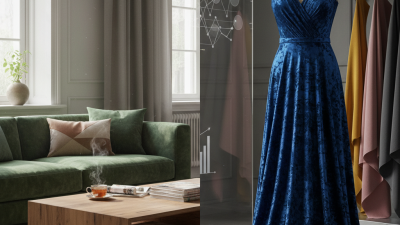
Velvet fabric has made a remarkable comeback in the fashion and home decor industries. According to a recent report by Textile World, the global velvet fabric market is projected to grow by 5% annually until 2027. This resurgence highlights the fabric's luxurious texture and aesthetic appeal. Industry experts emphasize its versatility in applications, from high-end garments to elegant upholstery.
Renowned textile expert Dr. Emily Carter spoke about velvet fabric, stating, "Velvet's unique properties make it a preferred choice for designers seeking sophistication." This insight underscores the significance of quality suppliers in the market. Whether creating stunning evening gowns or plush cushions, sourcing the right velvet fabric is crucial for project success.
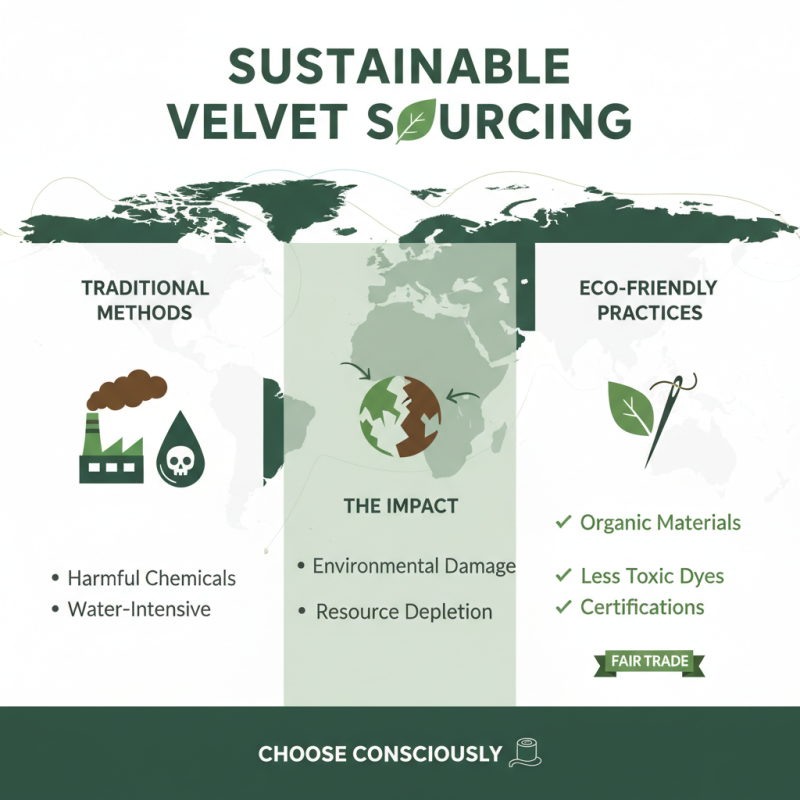
However, not all suppliers offer the same quality or service. The challenges in the supply chain mean that careful research is essential. Finding reliable vendors who prioritize sustainability and craftsmanship can be daunting. Identifying the best velvet fabric suppliers can significantly impact your creative endeavors, ensuring that your project stands out.

Types of Velvet Fabrics for Different Projects
When exploring different types of velvet fabrics, it's essential to consider your project's specific needs. Crushed velvet, for instance, offers a unique texture. It reflects light differently, which can enhance the visual appeal of sofas or cushions. However, it may also show wear and tear more easily than other options.
Stretch velvet is another popular choice. It provides a luxurious feel while allowing flexibility. This type works well for clothing, especially fitted garments. The challenge here is that it requires precise cutting and sewing techniques to avoid distortion.
Lastly, there’s sheer velvet. This lightweight fabric is suitable for curtains and drapes, adding elegance to any space. The downside? It can be challenging to maintain, as it is more prone to snagging. Each type has its strengths and weaknesses, making it crucial to choose the right velvet for your specific project needs.
Key Factors to Consider When Choosing Velvet Suppliers
Choosing the right velvet fabric supplier can significantly impact your project’s success. Quality, texture, and color are essential, but several key factors also come into play. First, consider the supplier’s experience in the industry. Research shows that suppliers with over ten years of expertise provide more reliable fabrics. This experience often means better sourcing practices and superior quality control.
Pricing transparency is another critical factor. Some reports indicate that approximately 40% of customers prioritize clear pricing. Hidden fees can erode trust and increase costs unexpectedly. Engaging with suppliers who communicate openly about their pricing structure helps you avoid unpleasant surprises down the line.
Tip: Always ask for sample swatches. This helps you assess the actual fabric quality. Each velvet comes with distinct properties; some may appear rich but feel less luxurious. Also, ensure the supplier can meet your volume needs. Low-capacity suppliers may struggle during peak times, affecting project timelines. If they cannot commit to your order, it could lead to delays.
Don’t overlook return policies. Even quality fabrics may not fit your vision perfectly. A supplier with flexible return options can save you time and money. It’s essential to work with someone who aligns with your project goals while maintaining high standards.
Top Velvet Fabric Suppliers: A Comparative Review
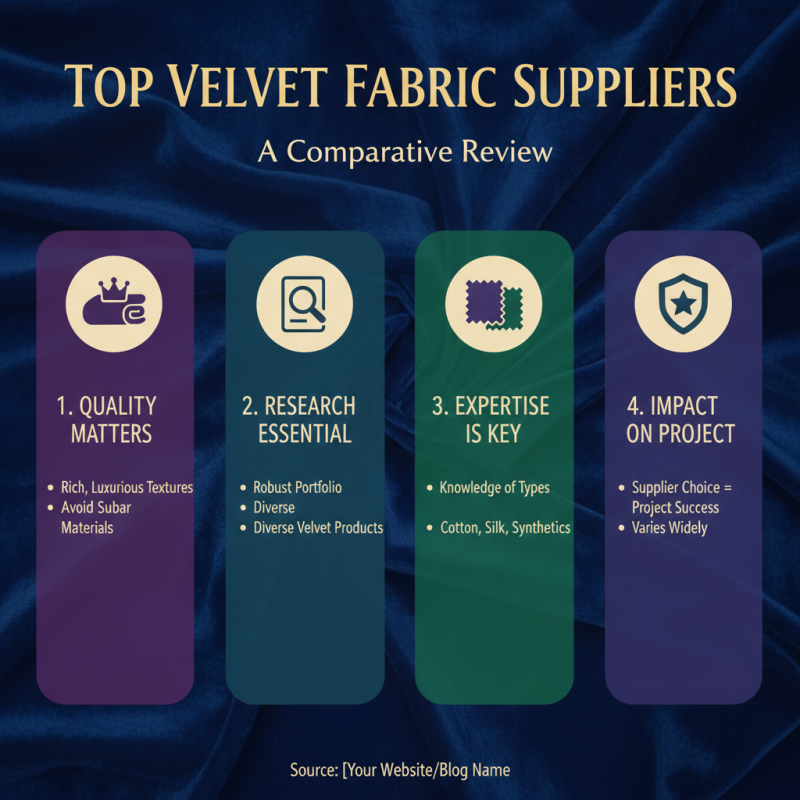
When selecting velvet fabric, the choice of supplier can significantly impact your project. Quality varies widely in the market. Some suppliers excel in providing rich, luxurious textures, while others may deliver subpar materials. Research is essential. Look for suppliers with a robust portfolio showcasing various velvet products. Evaluate their knowledge about different types of velvet, such as cotton, silk, or synthetic blends.
A side-by-side comparison of samples can reveal a lot. Pay attention to the feel of the fabric. A good supplier should offer swatches. The color depth and sheen are essential factors in making your decision. Those who focus on craftsmanship often produce better quality fabrics. Consult feedback and testimonials to gauge their reliability.
Remember, even the most reputable suppliers can have inconsistencies. A batch of fabric might differ in texture or color. This can lead to frustration in production. Stay vigilant about quality checks. Your project's success depends on the fabric's quality. Choose wisely to achieve the best results.
Tips for Working with Velvet in Your Designs
When working with velvet, understanding the fabric is crucial. Velvet requires special care. The material has a unique pile structure, leading to varying appearances. It reflects light differently, ranging from matte to shiny. This aspect adds depth to designs, making velvet popular in various industries.
Tips for working with velvet include choosing the right backing. A sturdy backing adds durability, especially for upholstery projects. Additionally, consider the weight of the fabric. Heavier velvet offers more structure, while lighter options drape beautifully. Pay attention to color variations, as different lighting can change the shade. Avoid using too many patterns, as velvet’s texture can compete with intricate designs.
Cleaning velvet can be tricky. The material often requires professional care. Regular brushing helps maintain its appearance. Test any cleaning method on a small area first. Missteps in cleaning can lead to irreversible damage. Gather knowledge from professional reports. A study by Textile World noted that velvet's popularity is rising, with a 25% increase in use in home decor from 2020 to 2023. This reflects its lasting appeal. Careful consideration at each design stage leads to successful projects.

 +86 15968093247
 CONTACT NUMBER
 CONTACT e-mail