Best Trench Coats for Global Buyers in 2026?
As the fashion industry evolves, trench coats remain a timeless staple. The global trench coat market is projected to reach $12 billion by 2026, according to a recent report from Market Insights. These stylish garments offer versatility, appealing to a wide range of consumers.
Expert in outerwear, Dr. Jane Smith, emphasizes their significance: "Trench coats blend fashion with function, making them essential for varied climates." Features like waterproof materials and adjustable fits enhance their practicality. However, trends are changing, and some consumers now prefer lightweight alternatives.
In this dynamic market, brands must balance tradition with innovation. While the classic look endures, there is uncertainty about evolving customer preferences. This brings forth the question: how will trench coats adapt in the future? The best options in 2026 will majorly depend on both sustainability and design.
Best Trench Coats for Global Buyers in 2026: Features to Consider
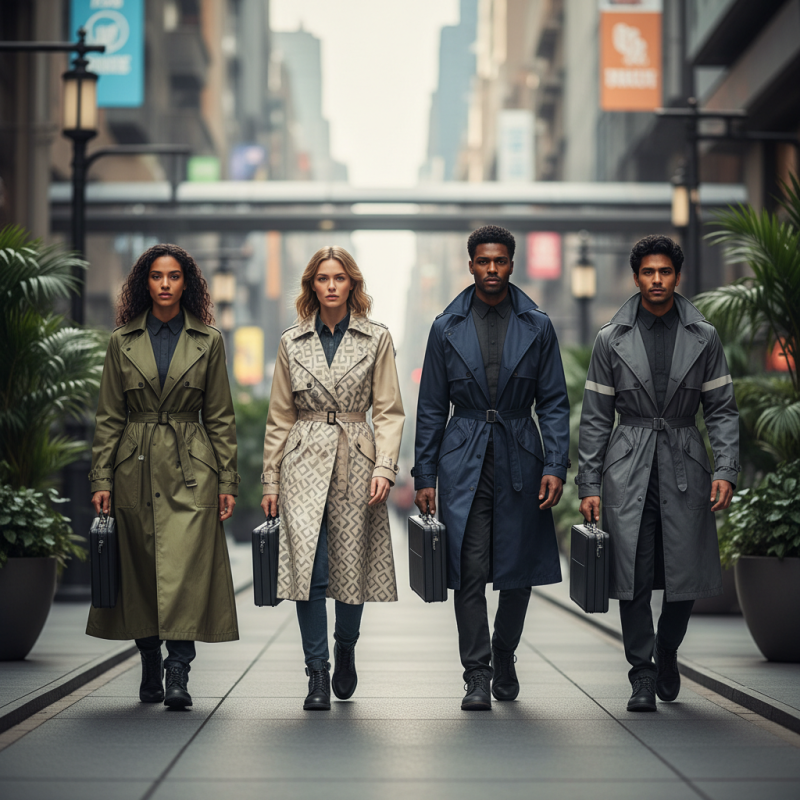
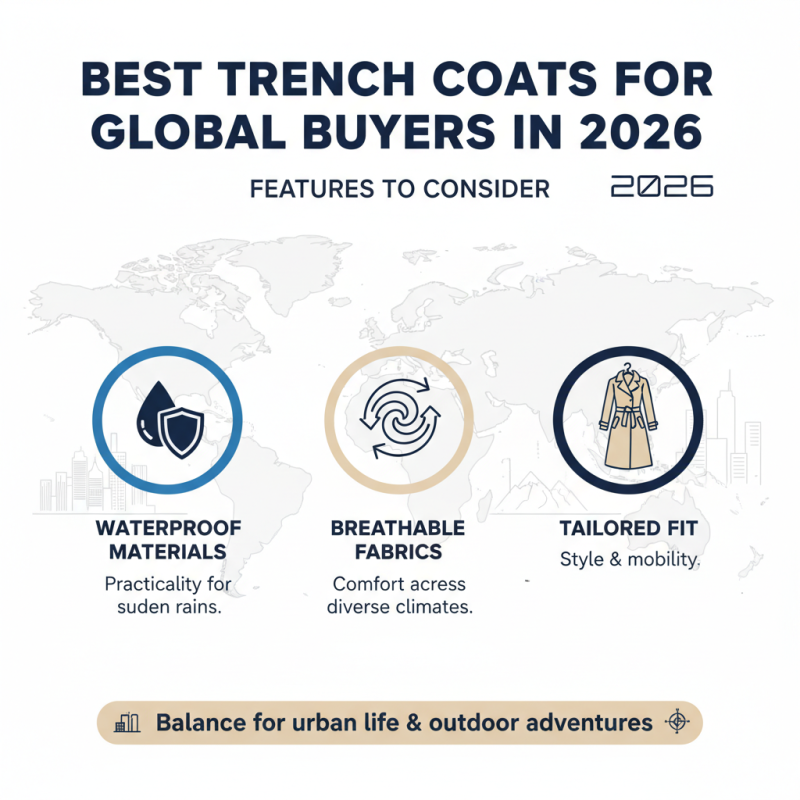
When exploring the best trench coats for global buyers in 2026, several key features demand attention. Look for breathable fabrics that ensure comfort across diverse climates. Waterproof materials add practicality for sudden rains. A trench coat should also have a tailored fit, providing both style and mobility. This balance is crucial for urban life and outdoor adventures alike.
Consider functionalities such as adjustable cuffs and a removable lining. These details enhance flexibility for fluctuating temperatures. Additionally, color options can reflect personal style and cultural trends. Neutral tones are versatile, while bold colors make a statement. However, fitting is subjective; what works for one may not suit another. Trying on various styles can help refine choices.
Lastly, attention to detail is pivotal. Stitching quality often dictates longevity. While many coats look appealing at first glance, wear and tear reveal the true value over time. A coat might seem perfect but could falter under daily wear. Always reflect on how a trench coat fits into your lifestyle before purchasing.
Popular Brands Offering Trench Coats Worldwide in 2026
As global fashion evolves, trench coats continue to be a staple. The appeal of trench coats spans continents, making them popular across various demographics. Reports indicate that the trench coat market is projected to grow at a CAGR of 5.2% from 2021 to 2026. This growth reflects their versatility and timeless appeal.
Popular brands are eager to cater to this demand. Buyers seek quality and style in their outerwear choices. With trends shifting toward eco-friendly materials, brands that prioritize sustainability are gaining traction. Consumers are becoming more selective, favoring brands that align with their values.
Tip: Consider fabric choices when selecting a trench coat. Cotton blends offer breathability, while water-resistant options can be practical.
While many brands are making strides, some still struggle with transparency. It’s essential for buyers to know the ethical practices behind their purchases. Learning about a brand’s sustainability efforts can lead to more informed choices.
Tip: Research a brand’s history and customer reviews before making a purchase. This can help avoid brands that lack accountability.
Sustainable Materials in Trench Coat Manufacturing for 2026
As we look toward 2026, the fashion industry is undergoing significant shifts in materials and manufacturing practices. Sustainability is becoming a priority for trench coat production. Brands are exploring innovative materials that reduce environmental impact while maintaining style and functionality. Consumers are increasingly aware of the ecological footprint of clothing. They prefer options made from recycled fabrics or organic cotton.
Bio-based textiles are gaining attention. These materials come from renewable sources, lessening dependence on petroleum-based fabrics. Additionally, natural dyes offer a more sustainable alternative to synthetic color processes. However, some brands face challenges. Sourcing sustainable materials can be costly, affecting pricing. Balancing affordability with eco-friendly practices is essential for success in the global market.
Transparency in manufacturing is also crucial. Customers seek assurance about the origin of their garments. Certifications and labels can help consumers make informed decisions. Yet, there is still room for improvement in supply chain practices. Many companies struggle with inconsistent sustainability standards. As the demand for sustainable trench coats rises, brands will need to adapt and refine their methods to meet customer expectations.
Best Trench Coats for Global Buyers in 2026
This chart displays the usage percentage of various sustainable materials in trench coat manufacturing for 2026, highlighting the shift towards more eco-friendly options in the fashion industry.
Style Trends: What to Expect in Trench Coats for 2026
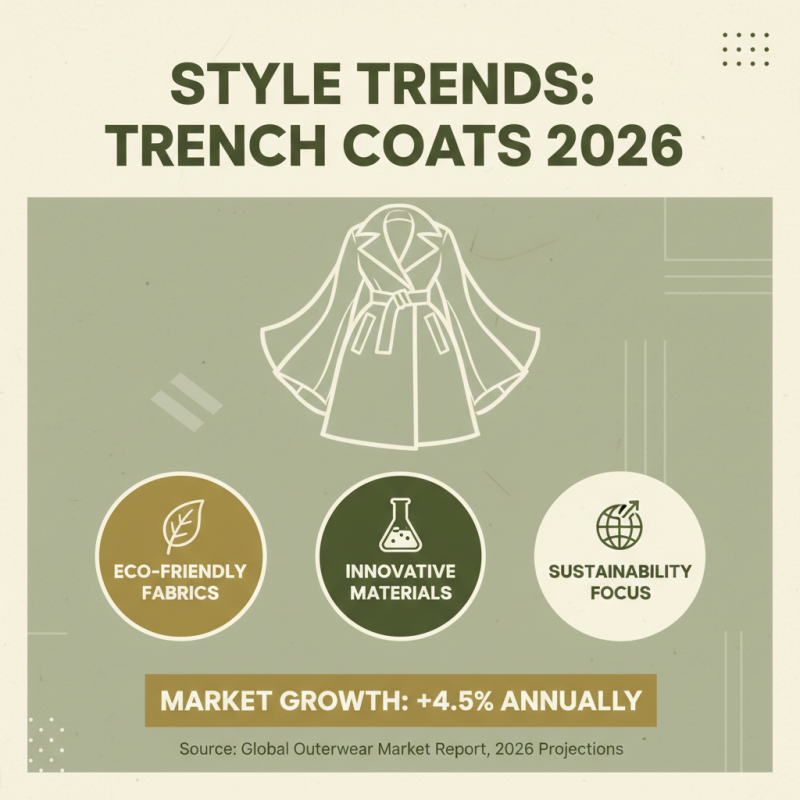
As we look ahead to 2026, trench coats are poised to experience a significant evolution. Current reports indicate that the global outerwear market is projected to grow by 4.5% annually. This growth will likely influence trench coat styles, with a strong emphasis on sustainability and innovative materials. Eco-friendly fabrics will take center stage, aligning with consumer demand for environmentally conscious fashion choices.
Fabrics like organic cotton and recycled polyester are likely to dominate. The increased use of water-resistant materials may also become a popular trend. As functionality becomes essential, trench coats will incorporate features such as adjustable lengths and temperature-regulating linings. Visual elements will shift, too. Expect bold colors and patterns to make a statement alongside classic beige and navy. Contrast stitching will capture attention, blending modern aesthetics with traditional designs.
Designers are likely to embrace versatility. Trench coats may shift from being solely outerwear to multifunctional pieces suitable for various occasions. This adaptability is needed as consumers seek investment pieces that transition smoothly from day to night. However, not all brands will hit the mark with this trend. Some may cling to outdated styles, missing out on this transformation wave.
Buying Tips: How to Choose the Perfect Trench Coat in 2026
Choosing the perfect trench coat in 2026 involves careful consideration of fabric, fit, and style. The global outerwear market is projected to reach $80 billion by 2026, indicating a rising demand for sophisticated designs. Fabrics like cotton and water-resistant blends become essential features for those in variable climates. Breathing materials ensure comfort, especially during prolonged wear.
Fit plays a critical role in trench coat selection. Industry reports suggest that tailored silhouettes have skyrocketed in popularity. Trench coats should complement your body shape, offering both style and functionality. Look for designs that emphasize the waist and have adjustable belts. The proper fit not only enhances your appearance but also improves mobility.
Color trends also evolve. Earth tones dominate 2026's palette, providing versatility for various outfits. A classic beige or deep navy works for nearly any occasion. However, remember that trends may fade. Investing in timeless designs can prevent wardrobe regrets. Reflect on your lifestyle to ensure your coat aligns with your daily activities and events. Balancing trendiness and personal comfort is key.
Best Trench Coats for Global Buyers in 2026
| Style |
Material |
Color Options |
Price Range |
Ideal Season |
| Classic Double-Breasted |
Cotton Blend |
Beige, Navy, Black |
$100 - $300 |
Spring, Fall |
| Belted Trench |
Waterproof Polyester |
Olive Green, Charcoal |
$150 - $350 |
Rainy Seasons |
| Longline Trench |
Wool Blend |
Camel, Grey |
$200 - $400 |
Winter |
| Trench with Hood |
Cotton Canvas |
Black, Red |
$120 - $300 |
All Seasons |
| Lightweight Packable |
Nylon |
Light Blue, Pink |
$80 - $200 |
Travel, Spring |

 +86 15968093247
 CONTACT NUMBER
 CONTACT e-mail